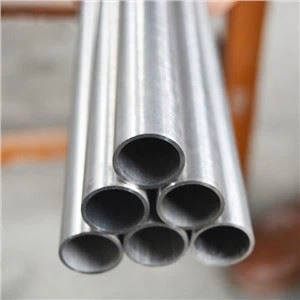
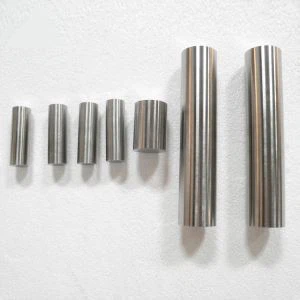
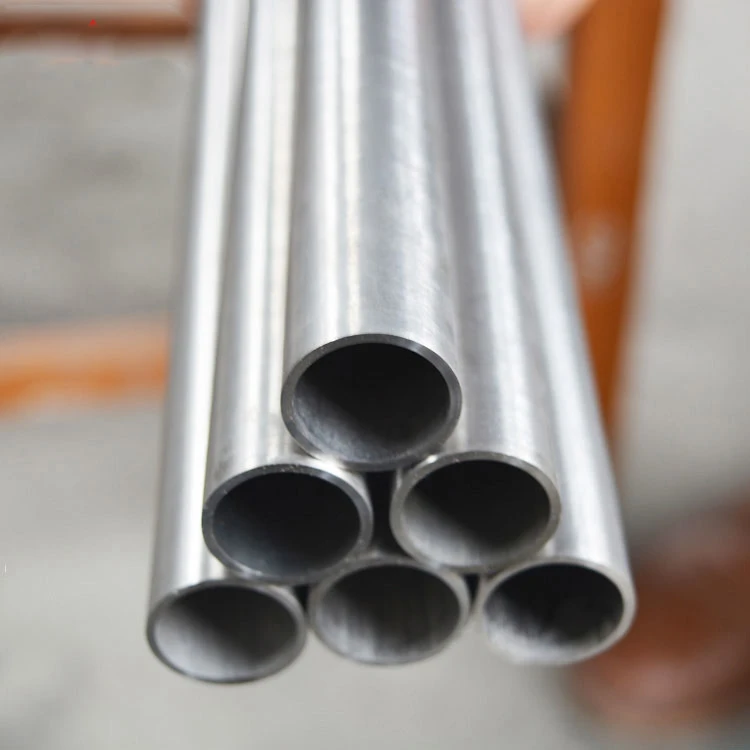
As a dedicated supplier of Niobium Tube Niobium Tube, I understand the importance of having the right tools for cutting niobium tubes. Niobium, a rare and valuable metal, offers unique properties such as high melting point, corrosion resistance, and excellent ductility. These properties make niobium tubes highly sought - after in various industries, including aerospace, electronics, and medical applications. However, cutting niobium tubes requires specific tools and techniques to ensure a clean, precise cut without compromising the material's integrity.
1. Plasma Cutting Machines
Plasma cutting is a popular method for cutting niobium tubes due to its high - speed and precision. A plasma cutting machine works by creating a high - velocity jet of ionized gas (plasma) that melts and blows away the metal. This process can cut through niobium tubes of different thicknesses with relative ease.
The main advantage of plasma cutting is its speed. It can cut through niobium much faster than traditional mechanical cutting methods. Additionally, plasma cutting can produce a clean cut with minimal heat - affected zones, which is crucial for maintaining the material's properties. When choosing a plasma cutting machine for niobium tubes, it is important to select one with adjustable amperage and cutting speed settings. This allows for precise control over the cutting process, ensuring a high - quality cut.
However, plasma cutting also has some limitations. It can generate a significant amount of heat, which may cause distortion in thin - walled niobium tubes. To mitigate this issue, proper cooling techniques and cutting parameters need to be employed.
2. Laser Cutting Machines
Laser cutting is another excellent option for cutting niobium tubes. Laser cutting machines use a high - powered laser beam to melt and vaporize the metal. This method offers extremely high precision and can cut complex shapes with ease.
One of the key benefits of laser cutting is its ability to produce very narrow kerfs (the width of the cut). This results in less material waste and a more precise finished product. Laser cutting also produces a smooth cut surface, which reduces the need for post - cutting finishing operations.
In addition, laser cutting is a non - contact process, which means there is no physical force applied to the niobium tube during cutting. This reduces the risk of deformation and damage to the tube. However, laser cutting machines are relatively expensive, and the operating costs can be high due to the need for specialized equipment and maintenance.
3. Bandsaws
Bandsaws are a more traditional but still effective tool for cutting niobium tubes. A bandsaw consists of a continuous band of toothed metal that rotates around two or more wheels. The saw blade is guided through the niobium tube to make the cut.
Bandsaws are relatively inexpensive compared to plasma and laser cutting machines and are suitable for cutting niobium tubes of various sizes. They can provide a straight and clean cut, especially when using the appropriate blade. For niobium tubes, a blade with a fine tooth pitch is recommended to ensure a smooth cut and minimize the risk of chipping or cracking.
However, bandsaws have a slower cutting speed compared to plasma and laser cutting methods. They also require more operator skill to ensure a precise cut, especially when cutting complex shapes.
4. Abrasive Cut - Off Wheels
Abrasive cut - off wheels are a simple and cost - effective option for cutting niobium tubes. These wheels are made of abrasive materials such as aluminum oxide or silicon carbide and are mounted on a power tool, such as a grinder.
Abrasive cut - off wheels can quickly cut through niobium tubes, but they may produce a rough cut surface. This may require additional finishing operations to achieve the desired surface quality. Additionally, abrasive cut - off wheels can generate a significant amount of heat and debris during cutting, which needs to be managed properly to avoid damage to the tube and ensure operator safety.
5. Waterjet Cutting Machines
Waterjet cutting is a relatively new and innovative method for cutting niobium tubes. A waterjet cutting machine uses a high - pressure stream of water mixed with abrasive particles to cut through the metal.
Waterjet cutting offers several advantages. It is a cold - cutting process, which means there is no heat - affected zone, and the risk of material distortion is minimal. Waterjet cutting can also cut through niobium tubes of various thicknesses and can produce complex shapes with high precision.
However, waterjet cutting machines are expensive to purchase and operate. They also require a significant amount of water and abrasive material, which can increase the operating costs.
6. Considerations When Choosing Cutting Tools
When selecting the appropriate tool for cutting niobium tubes, several factors need to be considered:
Tube Thickness
The thickness of the niobium tube plays a crucial role in determining the cutting method. For thin - walled tubes, laser cutting or waterjet cutting may be the best options as they minimize the risk of distortion. For thicker tubes, plasma cutting or bandsaw cutting may be more suitable.
Cutting Precision
If high precision is required, such as when cutting tubes for medical or aerospace applications, laser cutting or waterjet cutting are preferred. These methods can produce cuts with very high accuracy and a smooth surface finish.
Production Volume
For high - volume production, plasma cutting or laser cutting machines are more efficient due to their high - speed cutting capabilities. For low - volume production or prototyping, bandsaws or abrasive cut - off wheels may be more cost - effective.
Cost
The cost of the cutting tool, including the purchase price, operating costs, and maintenance costs, is an important consideration. Abrasive cut - off wheels and bandsaws are generally the most cost - effective options, while laser and waterjet cutting machines are more expensive.
7. Safety Precautions
Regardless of the cutting tool used, safety should always be a top priority when cutting niobium tubes. Here are some safety precautions to follow:
- Wear appropriate personal protective equipment (PPE), such as safety glasses, gloves, and a face shield, to protect against flying debris, sparks, and heat.
- Ensure proper ventilation when using cutting tools that generate fumes or dust, such as plasma cutting and abrasive cut - off wheels.
- Follow the manufacturer's instructions for operating the cutting tool, including proper setup, maintenance, and cutting parameters.
- Keep the work area clean and organized to prevent tripping hazards and ensure easy access to the cutting tool and other equipment.
Conclusion
Cutting niobium tubes requires the use of specific tools and techniques to ensure a high - quality cut. Plasma cutting machines, laser cutting machines, bandsaws, abrasive cut - off wheels, and waterjet cutting machines all have their own advantages and limitations. When choosing a cutting tool, factors such as tube thickness, cutting precision, production volume, and cost need to be carefully considered.
As a Niobium Tube supplier, we are committed to providing our customers with the highest - quality niobium tubes and the most comprehensive technical support. If you are interested in purchasing niobium tubes or have any questions about cutting niobium tubes, please feel free to contact us for further discussion and negotiation. We look forward to serving you and meeting your specific requirements.
References
- ASM Handbook Volume 6: Welding, Brazing, and Soldering. ASM International.
- Metals Handbook Desk Edition, Third Edition. ASM International.