

As a supplier of Niobium Tube, I understand the importance of keeping these high - performance tubes clean for optimal functionality. Niobium tubes are widely used in various industries such as aerospace, electronics, and chemical processing due to their excellent corrosion resistance, high melting point, and good ductility. However, over time, these tubes can accumulate contaminants that may affect their performance. In this blog, I will share some effective methods on how to clean niobium tubes.
Understanding the Contaminants
Before starting the cleaning process, it is crucial to identify the type of contaminants present on the niobium tube. Common contaminants include:
- Oxides: Niobium can form oxides when exposed to air, especially at high temperatures. These oxides can reduce the electrical conductivity and mechanical properties of the tube.
- Grease and Oil: During the manufacturing process or handling, the tubes may come into contact with grease and oil, which can attract dust and other particles.
- Particulate Matter: Dust, dirt, and other small particles can adhere to the surface of the tube, potentially causing abrasion and affecting the smoothness of the tube.
Pre - cleaning Preparations
- Safety Precautions: Always wear appropriate personal protective equipment (PPE), such as gloves and safety glasses, to protect yourself from chemicals and potential physical hazards.
- Inspection: Carefully inspect the niobium tube for any signs of damage, such as cracks or scratches. If any damage is detected, it may require special handling or replacement.
- Isolation: Isolate the tube from other equipment or materials to prevent cross - contamination during the cleaning process.
Cleaning Methods
Mechanical Cleaning
Mechanical cleaning is suitable for removing large particles and surface contaminants.
- Brushing: Use a soft - bristled brush, such as a nylon brush, to gently scrub the surface of the niobium tube. This can effectively remove loose dirt and dust. Make sure to brush in a consistent direction to avoid scratching the tube.
- Ultrasonic Cleaning: Ultrasonic cleaning is a more advanced mechanical cleaning method. Place the niobium tube in an ultrasonic cleaning tank filled with a suitable cleaning solution. The ultrasonic waves create high - frequency vibrations that can dislodge contaminants from the surface of the tube. This method is particularly effective for removing small particles and contaminants in hard - to - reach areas.
Chemical Cleaning
Chemical cleaning is used to remove oxides, grease, and other stubborn contaminants.
- Acid Cleaning:
- Hydrofluoric Acid (HF) Solution: Hydrofluoric acid can be used to remove oxides from the surface of the niobium tube. However, hydrofluoric acid is extremely dangerous and requires strict safety precautions. Prepare a diluted hydrofluoric acid solution (usually around 1 - 5% concentration) in a well - ventilated area. Immerse the niobium tube in the solution for a short period (usually a few minutes) and then rinse it thoroughly with water.
- Nitric Acid (HNO₃) Solution: Nitric acid can also be used to clean niobium tubes. It can dissolve some oxides and organic contaminants. Prepare a nitric acid solution with a concentration of around 10 - 20%. Immerse the tube in the solution, and the reaction time depends on the degree of contamination. After cleaning, rinse the tube with water to remove any remaining acid.
- Alkaline Cleaning: Alkaline cleaning solutions, such as sodium hydroxide (NaOH) solution, can be used to remove grease and oil from the niobium tube. Prepare a 5 - 10% sodium hydroxide solution. Immerse the tube in the solution and heat it gently (usually to around 50 - 60°C) to enhance the cleaning effect. After cleaning, rinse the tube with water to neutralize the alkaline solution.
Electrochemical Cleaning
Electrochemical cleaning is an effective method for removing oxides and contaminants from the surface of the niobium tube.
- Anodic Cleaning: In anodic cleaning, the niobium tube is connected as the anode in an electrolytic cell. A suitable electrolyte, such as a sulfuric acid solution, is used. When an electric current is applied, the oxidation reaction occurs on the surface of the tube, which can remove oxides and contaminants. The cleaning time and current density need to be carefully controlled to avoid over - etching the tube.
- Cathodic Cleaning: Cathodic cleaning is the opposite of anodic cleaning, where the niobium tube is connected as the cathode. The reduction reaction occurs on the surface of the tube, which can also remove some contaminants. This method is often used in combination with anodic cleaning for better results.
Post - cleaning Procedures
- Rinsing: After cleaning, rinse the niobium tube thoroughly with deionized water to remove any remaining cleaning solution or contaminants. Make sure to rinse all parts of the tube, especially the inside if it is a hollow tube.
- Drying: Dry the niobium tube using a clean, lint - free cloth or by blowing dry with compressed air. Avoid using heat sources that may cause thermal stress or oxidation of the tube.
- Inspection: Inspect the cleaned niobium tube again to ensure that all contaminants have been removed and that the tube is in good condition.
Quality Control
To ensure the effectiveness of the cleaning process, it is necessary to implement quality control measures.
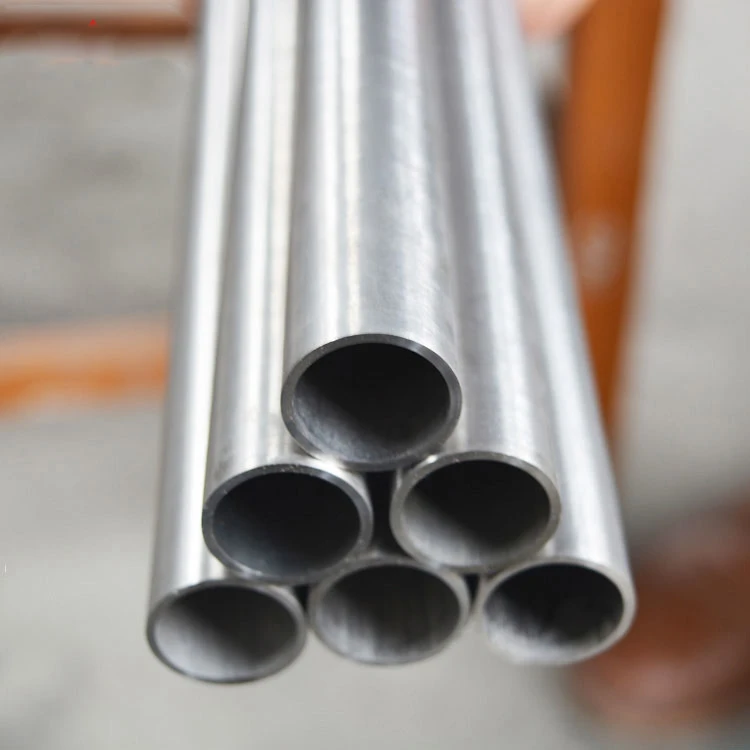
- Visual Inspection: Use a magnifying glass or microscope to visually inspect the surface of the niobium tube for any remaining contaminants or damage.
- Surface Analysis: Techniques such as X - ray photoelectron spectroscopy (XPS) or energy - dispersive X - ray spectroscopy (EDS) can be used to analyze the chemical composition of the surface of the tube to confirm the removal of contaminants.
- Performance Testing: If possible, conduct performance tests on the cleaned niobium tube, such as electrical conductivity tests or corrosion resistance tests, to ensure that its performance meets the requirements.
Conclusion
Cleaning niobium tubes is a crucial process to maintain their performance and extend their service life. By understanding the types of contaminants, choosing the appropriate cleaning methods, and following the proper procedures, we can effectively clean niobium tubes. As a Niobium Tube supplier, we are committed to providing high - quality niobium tubes and sharing professional knowledge about their maintenance and cleaning. If you have any questions about niobium tubes or need to purchase them, please feel free to contact us for further discussion and procurement negotiation.
References
- "Handbook of Niobium and Tantalum Technology"
- "Corrosion Science and Engineering of Niobium Alloys"
- "Advanced Materials for High - Performance Applications: Niobium - based Materials"



