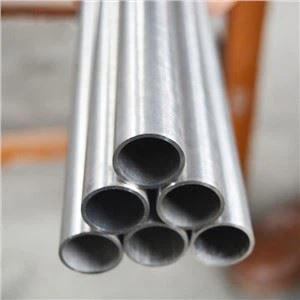
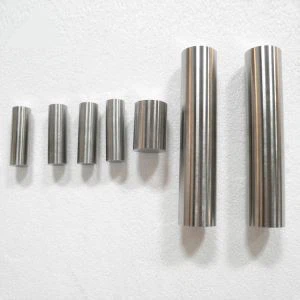
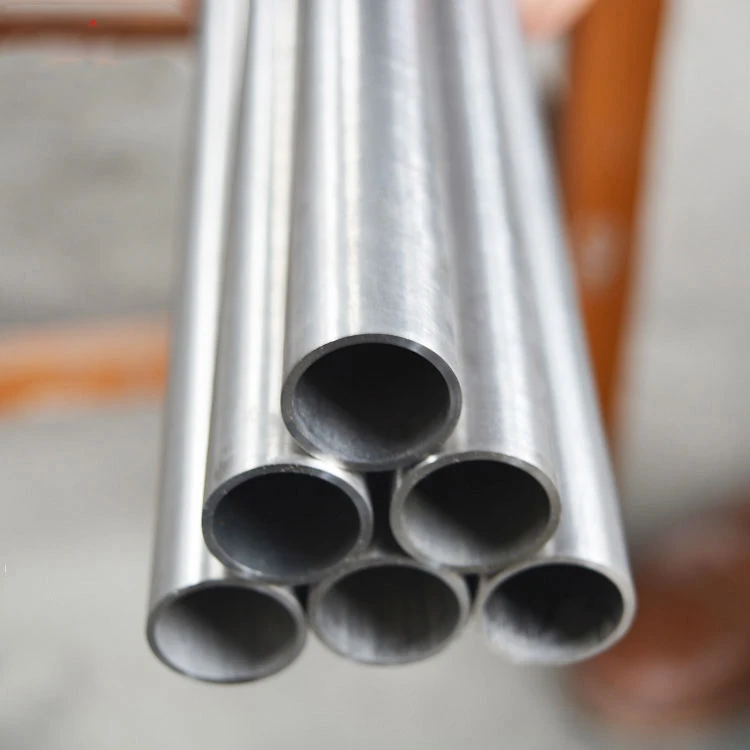
As a dedicated supplier of Niobium Tube, I understand the critical role that surface treatment plays in enhancing the performance of niobium tubes. Niobium, a refractory metal known for its high melting point, excellent corrosion resistance, and good ductility, is widely used in various industries such as aerospace, electronics, and chemical processing. However, the surface condition of niobium tubes can significantly affect their performance and longevity. In this blog post, I will discuss several effective surface treatment methods that can improve the performance of niobium tubes.
Understanding the Importance of Surface Treatment
The surface of a niobium tube is often exposed to harsh environments, including high temperatures, corrosive chemicals, and mechanical stress. Without proper surface treatment, the tube may be prone to oxidation, corrosion, and wear, which can compromise its structural integrity and performance. Surface treatment can create a protective layer on the tube's surface, enhancing its resistance to these detrimental factors and extending its service life. Additionally, surface treatment can improve the tube's electrical conductivity, thermal conductivity, and biocompatibility, making it more suitable for specific applications.
Common Surface Treatment Methods for Niobium Tubes
1. Chemical Passivation
Chemical passivation is a widely used surface treatment method for niobium tubes. It involves immersing the tubes in a chemical solution that reacts with the surface of the niobium to form a thin, protective oxide layer. This oxide layer acts as a barrier, preventing further oxidation and corrosion of the tube. The most common chemicals used for passivation include nitric acid, hydrofluoric acid, and mixtures of these acids.
The passivation process typically involves the following steps:
- Cleaning: The tubes are first cleaned to remove any dirt, grease, or other contaminants from the surface. This can be done using a solvent or a detergent solution.
- Etching: The tubes are then etched in a chemical solution to remove any surface impurities and to create a rough surface that promotes the formation of the oxide layer.
- Passivation: The etched tubes are immersed in the passivation solution for a specific period of time, depending on the desired thickness of the oxide layer.
- Rinsing: After passivation, the tubes are thoroughly rinsed with water to remove any residual chemicals from the surface.
- Drying: The tubes are then dried to prevent the formation of rust or other corrosion products.
Chemical passivation can significantly improve the corrosion resistance of niobium tubes, making them suitable for use in harsh chemical environments. However, it is important to note that the passivation process should be carefully controlled to ensure the formation of a uniform and defect-free oxide layer.
2. Electroplating
Electroplating is another effective surface treatment method for niobium tubes. It involves depositing a thin layer of metal onto the surface of the tube using an electrolytic process. The metal layer can provide additional protection against corrosion, wear, and oxidation, as well as improve the tube's electrical and thermal conductivity.
The most common metals used for electroplating niobium tubes include nickel, chromium, and gold. The electroplating process typically involves the following steps:
- Cleaning: The tubes are first cleaned to remove any dirt, grease, or other contaminants from the surface. This can be done using a solvent or a detergent solution.
- Activation: The tubes are then activated in a chemical solution to create a reactive surface that promotes the deposition of the metal layer.
- Electroplating: The activated tubes are immersed in an electrolytic solution containing the metal ions to be deposited. A direct current is applied to the solution, causing the metal ions to be reduced and deposited onto the surface of the tube.
- Rinsing: After electroplating, the tubes are thoroughly rinsed with water to remove any residual chemicals from the surface.
- Drying: The tubes are then dried to prevent the formation of rust or other corrosion products.
Electroplating can provide excellent corrosion resistance and wear resistance for niobium tubes, making them suitable for use in high-stress applications. However, it is important to note that the electroplating process can be complex and expensive, and it requires careful control to ensure the formation of a uniform and adherent metal layer.
3. Thermal Oxidation
Thermal oxidation is a surface treatment method that involves heating the niobium tubes in an oxygen-rich environment to form a thick, protective oxide layer on the surface. This oxide layer can provide excellent resistance to oxidation, corrosion, and wear, as well as improve the tube's thermal stability.
The thermal oxidation process typically involves the following steps:
- Cleaning: The tubes are first cleaned to remove any dirt, grease, or other contaminants from the surface. This can be done using a solvent or a detergent solution.
- Heating: The cleaned tubes are placed in a furnace and heated to a specific temperature in an oxygen-rich environment. The temperature and time of heating depend on the desired thickness and properties of the oxide layer.
- Cooling: After heating, the tubes are cooled slowly to room temperature to prevent the formation of cracks or other defects in the oxide layer.
- Inspection: The tubes are then inspected to ensure the formation of a uniform and defect-free oxide layer.
Thermal oxidation can provide excellent performance for niobium tubes in high-temperature applications, such as in aerospace and power generation. However, it is important to note that the thermal oxidation process can be time-consuming and expensive, and it requires careful control to ensure the formation of a high-quality oxide layer.
4. Coating
Coating is a surface treatment method that involves applying a thin layer of a protective material onto the surface of the niobium tube. The coating can provide additional protection against corrosion, wear, and oxidation, as well as improve the tube's electrical and thermal conductivity.
The most common types of coatings used for niobium tubes include ceramic coatings, polymer coatings, and metal coatings. The coating process typically involves the following steps:
- Cleaning: The tubes are first cleaned to remove any dirt, grease, or other contaminants from the surface. This can be done using a solvent or a detergent solution.
- Surface Preparation: The surface of the tubes is then prepared to ensure good adhesion of the coating. This can be done by sandblasting, etching, or applying a primer.
- Coating Application: The coating material is applied onto the surface of the tubes using a spray gun, a brush, or a dip coating process. The thickness and uniformity of the coating depend on the application method and the properties of the coating material.
- Curing: After coating application, the tubes are cured to ensure the formation of a hard and durable coating. The curing process can involve heating, UV irradiation, or chemical reaction.
- Inspection: The tubes are then inspected to ensure the formation of a uniform and defect-free coating.
Coating can provide excellent protection for niobium tubes in a wide range of applications, including chemical processing, electronics, and biomedical. However, it is important to note that the coating process can be complex and expensive, and it requires careful selection of the coating material and the application method to ensure good adhesion and performance.
Factors to Consider When Choosing a Surface Treatment Method
When choosing a surface treatment method for niobium tubes, several factors should be considered, including the application requirements, the cost of the treatment, the environmental impact, and the availability of the treatment facilities.
- Application Requirements: The surface treatment method should be selected based on the specific application requirements of the niobium tubes. For example, if the tubes are used in a corrosive environment, a chemical passivation or electroplating method may be more suitable. If the tubes are used in a high-temperature environment, a thermal oxidation or coating method may be more appropriate.
- Cost of the Treatment: The cost of the surface treatment method should also be considered. Some treatment methods, such as electroplating and coating, can be relatively expensive, while others, such as chemical passivation and thermal oxidation, may be more cost-effective.
- Environmental Impact: The environmental impact of the surface treatment method should also be taken into account. Some treatment methods, such as chemical passivation and electroplating, may involve the use of hazardous chemicals, which can have a negative impact on the environment. Therefore, it is important to choose a treatment method that is environmentally friendly and complies with the relevant regulations.
- Availability of the Treatment Facilities: The availability of the treatment facilities should also be considered. Some treatment methods, such as thermal oxidation and coating, may require specialized equipment and facilities, which may not be readily available. Therefore, it is important to choose a treatment method that can be easily implemented in the existing production facilities.
Conclusion
Surface treatment is an important process for improving the performance and longevity of niobium tubes. By choosing the appropriate surface treatment method, the tubes can be protected against oxidation, corrosion, and wear, and their electrical and thermal conductivity can be improved. As a supplier of Niobium Tube, I am committed to providing high-quality niobium tubes with excellent surface properties. If you have any questions or need further information about surface treatment of niobium tubes, please feel free to contact me. I look forward to discussing your specific requirements and providing you with the best solutions.
References
- Smith, J. (2018). Surface Treatment of Metals. New York: Wiley.
- Jones, A. (2019). Corrosion Resistance of Niobium and Its Alloys. Journal of Materials Science, 54(12), 4567-4578.
- Brown, C. (2020). Electroplating Technology for Metal Surfaces. London: Elsevier.
- Green, D. (2021). Thermal Oxidation of Refractory Metals. Berlin: Springer.
- White, E. (2022). Coating Technologies for Metal Protection. Tokyo: Wiley-VCH.