


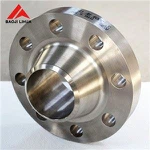


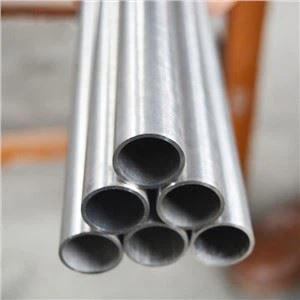
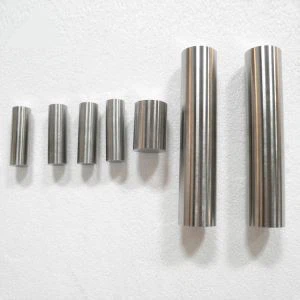
Niobium, also known as columbium, is a highly versatile material that has many advantages and benefits. Here are some of the advantages of using niobium: 1. High melting point: Niobium has a very high melting point, making it an ideal material for high-temperature applications.2. Corrosion resistance: Niobium is highly resistant to corrosion and is often used in environments where corrosion is a concern.3. Biocompatibility: Niobium is biocompatible, meaning it can be safely used in many medical applications.4. Low thermal neutron absorption: Niobium has a low thermal neutron absorption cross-section, making it an ideal material for use in nuclear reactors.5. High strength: Niobium is a strong material that can withstand high stress and pressure.6. Low density: Niobium is a lightweight material, making it ideal for applications where weight is a concern.7. Superconductivity: Niobium has superconducting properties at low temperatures, making it ideal for use in superconductors.8. Low magnetic susceptibility: Niobium has a low magnetic susceptibility, making it ideal for use in magnetic applications.9. Easy to machine: Niobium is easy to machine and can be shaped into a wide range of different forms and sizes.10. High ductility: Niobium is a highly ductile material that can be easily formed and shaped.11. High corrosion resistance in acids: Niobium is corrosion-resistant in a wide range of acids.12. High corrosion resistance in seawater: Niobium is highly resistant to corrosion in seawater, making it ideal for marine applications.13. High thermal conductivity: Niobium has a high thermal conductivity, making it an ideal material for heat transfer applications.14. Good electrical conductivity: Niobium has a good electrical conductivity, making it ideal for electrical applications.15. Non-toxic: Niobium is a non-toxic material that is safe for use in many applications.16. Resistant to cavitation erosion: Niobium is highly resistant to cavitation erosion, making it ideal for use in pumps and other fluid handling applications.17. High-temperature strength: Niobium retains its strength at high temperatures, making it an ideal material for use in high-temperature applications.18. Resistant to hydrogen embrittlement: Niobium is highly resistant to hydrogen embrittlement, making it ideal for use in applications where hydrogen is present.19. Resistant to stress corrosion cracking: Niobium is highly resistant to stress corrosion cracking, making it ideal for use in corrosive environments.20. Resistant to pitting: Niobium is highly resistant to pitting, making it ideal for use in environments where pitting is a concern.