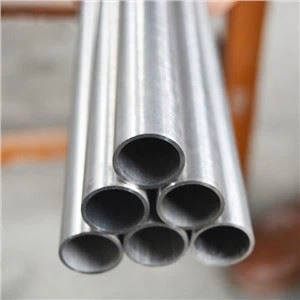
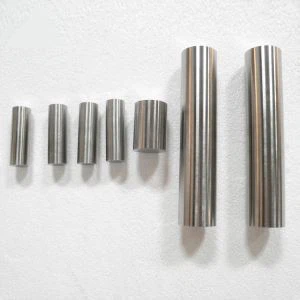
Hey there! As a supplier of nickel bars, I know how crucial it is to handle these precious metals properly to avoid scratches. Scratches not only affect the aesthetic appeal of the nickel bars but can also potentially impact their quality and value. In this blog, I'm gonna share some tips on how to handle a nickel bar to keep it scratch - free.
Understanding the Nature of Nickel Bars
First things first, let's talk a bit about nickel bars. Nickel is a relatively hard metal, but it's still susceptible to scratches. The surface finish of a nickel bar can range from smooth to textured, and each type requires a different approach when it comes to handling. A smooth - finished nickel bar will show scratches more prominently, while a textured one might hide them a bit better, but we still don't want any damage.
Preparation Before Handling
Before you even touch a nickel bar, make sure you've got a clean and safe workspace. Clear away any debris, sharp objects, or rough surfaces that could accidentally scratch the bar. A soft, clean cloth or a non - abrasive mat can be placed on the work surface. This provides a cushioned and scratch - free area for the bar.
Also, it's a great idea to wear clean gloves. Latex or nitrile gloves are good options. They not only protect the bar from the oils and dirt on your hands but also give you a better grip. Fingerprints can leave residue on the nickel bar, and over time, this can cause discoloration. And when you're gripping the bar, excessive sweating from your bare hands can also lead to corrosion in some cases.
Lifting and Moving
When it's time to lift the nickel bar, use both hands. Grab the bar at its edges or corners, where there's less risk of leaving fingerprints or causing scratches on the flat surfaces. Avoid using any sharp - edged tools to lift the bar. For example, don't use a screwdriver or a pair of pliers with rough jaws. Instead, if you need to use a tool, opt for something with a soft - padded grip, like a pair of rubber - coated tongs.
When moving the bar, keep it as level as possible. A tilted bar is more likely to come into contact with other objects or surfaces, increasing the risk of scratches. And make sure you have a clear path when you're moving it. Bumping into things on the way is a surefire way to scratch the bar.
Storage
Proper storage is key to preventing scratches on nickel bars. You can't just toss them into a random box and expect them to stay scratch - free. One option is to use individual protective sleeves. These are usually made of soft plastic or fabric and can be slipped over the nickel bar. They create a barrier between the bar and other objects in storage.
If you're storing multiple nickel bars together, use dividers. You can buy specialized dividers made for metal bars, or you can even make your own using soft materials like cardboard or foam. This keeps the bars from rubbing against each other, which is a common cause of scratches.
Another important thing is the storage environment. Keep the bars in a dry place. High humidity can cause corrosion on the nickel surface, and a corroded surface is more likely to get scratched. Also, avoid storing the bars near chemicals or substances that could react with nickel.
Cleaning
Cleaning a nickel bar is a delicate process. If you notice some dirt or dust on the bar, don't just start scrubbing. Use a soft, dry cloth to gently wipe the surface. If there are stubborn stains, you can use a mild soap solution. But make sure the soap is non - abrasive. Dip a soft cloth in the soapy water, wring it out well so it's just damp, and then gently wipe the bar.
After cleaning, rinse the bar thoroughly with clean water to remove any soap residue. Then, dry it immediately with a soft, clean cloth. Leaving the bar wet can lead to water spots and corrosion. And never use abrasive cleaners, steel wool, or rough brushes on the nickel bar, as these will definitely cause scratches.
Inspection
Regularly inspect your nickel bars for any signs of scratches. This allows you to catch any issues early and take appropriate action. You can use a magnifying glass to get a closer look at the surface. If you do find a scratch, don't panic. For minor scratches, you might be able to buff them out using a soft polishing cloth and a non - abrasive metal polish. But for deeper scratches, it's best to consult with a professional.
Special Considerations for Different Applications
If you're using the nickel bars in a manufacturing process, like for making Nickel Rod, the handling requirements might be a bit different. In a manufacturing setting, there are often more tools and machinery involved. Make sure all the equipment that comes into contact with the nickel bar is clean and free of any rough edges.
For example, if you're cutting the nickel bar, use a sharp and clean cutting tool. A dull tool can cause the bar to deform or create rough edges, which can then lead to scratches during further processing. And when you're transporting the cut pieces, use appropriate containers to prevent them from rubbing against each other.
Conclusion
Handling a nickel bar to avoid scratches requires a combination of proper preparation, careful lifting and moving, appropriate storage, and regular inspection. By following these tips, you can keep your nickel bars in top - notch condition.


If you're in the market for high - quality nickel bars, I'm here to help. Whether you need them for industrial applications, jewelry - making, or any other purpose, I can provide you with the best products. Feel free to reach out to me to discuss your requirements and start the procurement process.
References
- "Metals Handbook: Properties and Selection: Nonferrous Alloys and Pure Metals", ASM International
- "Nickel: A Comprehensive Guide", Nickel Institute Publications