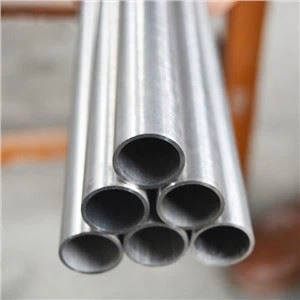
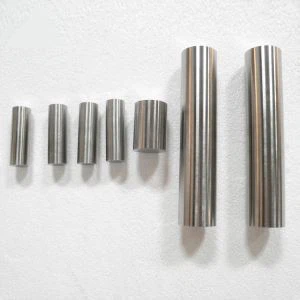
Hey there! As a supplier of Tantalum Tubes, I often get asked about the grain size of tantalum tubes. It's a topic that might seem a bit technical at first, but it's actually pretty crucial when it comes to understanding the quality and performance of these tubes. So, let's dive right in and explore what the grain size of tantalum tubes is all about.
First off, what exactly is grain size? In the world of metals, a metal is made up of tiny crystals called grains. The size of these grains can vary, and it has a big impact on the metal's properties. For tantalum tubes, the grain size can affect things like strength, ductility, and corrosion resistance.
When we talk about the grain size of tantalum tubes, we're referring to the average diameter of these individual grains. It can be measured using various techniques, like optical microscopy or electron microscopy. These methods allow us to take a close look at the tantalum's microstructure and figure out the size of the grains.
Now, why does the grain size matter? Well, a smaller grain size generally means better mechanical properties. Tantalum tubes with smaller grains tend to be stronger and more ductile. This is because the boundaries between the grains act as barriers to the movement of dislocations within the metal. Dislocations are defects in the crystal structure that can cause the metal to deform. With smaller grains, there are more grain boundaries, which makes it harder for dislocations to move. As a result, the tantalum tube can withstand more stress without breaking or deforming.
On the other hand, larger grain sizes can sometimes be beneficial in certain applications. For example, in some cases where high conductivity is required, larger grains can reduce the resistance to the flow of electrons. This is because there are fewer grain boundaries for the electrons to scatter off of.
As a supplier of Tantalum Tubes, we understand the importance of controlling the grain size. We use advanced manufacturing processes to ensure that our tantalum tubes have the optimal grain size for different applications. For instance, if you need a tantalum tube for a high - strength application, like in aerospace or defense, we'll make sure it has a smaller grain size. But if you're using it for an application where conductivity is key, we can adjust the manufacturing process to achieve a larger grain size.
The manufacturing process plays a huge role in determining the grain size of tantalum tubes. We start with high - purity tantalum ingots. These ingots are then processed through a series of steps, including hot working, cold working, and annealing. Hot working, like forging or rolling at high temperatures, can break up the large grains and refine the microstructure. Cold working, such as cold rolling or drawing, further deforms the metal and can also affect the grain size.
Annealing is a crucial step in the process. It involves heating the tantalum tube to a specific temperature and then cooling it slowly. This allows the grains to rearrange and grow. By carefully controlling the annealing temperature and time, we can precisely control the final grain size of the tantalum tube.
Another factor that can influence the grain size is the presence of impurities. Even small amounts of impurities can affect the growth and movement of grains during the manufacturing process. That's why we take great care to use high - purity tantalum in our production. We have strict quality control measures in place to ensure that the tantalum we use meets the highest standards.
When it comes to testing the grain size of our tantalum tubes, we follow industry - standard procedures. Our quality control team uses state - of - the - art equipment to analyze the microstructure of the tubes. This helps us to ensure that each tube meets the specified grain size requirements.
In different industries, the ideal grain size of tantalum tubes can vary significantly. In the chemical processing industry, where corrosion resistance is a top priority, a smaller grain size is often preferred. The more grain boundaries in a tantalum tube with a smaller grain size can act as a shield against corrosive agents, preventing them from penetrating the metal.
In the electronics industry, the requirements for grain size depend on the specific application. For components that need high electrical conductivity, larger grain sizes might be better. But for parts that require high mechanical strength and precision, smaller grain sizes are the way to go.


As a supplier, we're always in touch with our customers to understand their specific needs. We know that different projects have different requirements, and we're committed to providing the best - suited tantalum tubes. Whether you're working on a small - scale research project or a large - scale industrial application, we can help you find the right tantalum tube with the optimal grain size.
If you're in the market for Tantalum Tubes, don't hesitate to reach out to us. We have a team of experts who can answer all your questions about grain size and other properties of our tantalum tubes. We can also provide samples for you to test and evaluate. Our goal is to make sure that you get the highest - quality tantalum tubes that meet your exact specifications.
In conclusion, the grain size of tantalum tubes is a critical factor that affects their performance in various applications. By understanding how grain size works and how it can be controlled, you can make a more informed decision when choosing tantalum tubes for your project. Whether you need a tube with high strength, excellent conductivity, or superior corrosion resistance, we're here to help. So, if you have any questions or are interested in purchasing tantalum tubes, just get in touch with us. We're looking forward to working with you!
References
- ASM Handbook Volume 9: Metallography and Microstructures
- "Principles of Physical Metallurgy" by Robert Reed - Hill