

Can titanium tubes be cut? This is a question that many customers often ask us, as a leading titanium tube supplier. In this blog post, I'll delve into the cutting of titanium tubes, exploring the feasibility, methods, and considerations.
Feasibility of Cutting Titanium Tubes
Titanium tubes can indeed be cut, but it comes with its own set of challenges due to the unique properties of titanium. Titanium is known for its high strength - to - weight ratio, excellent corrosion resistance, and good biocompatibility. However, these very properties make it a bit more difficult to cut compared to some other metals.
The high strength of titanium means that it requires more force and the right cutting tools to make a clean cut. Its low thermal conductivity also causes heat to build up at the cutting edge, which can lead to tool wear and affect the quality of the cut. Despite these challenges, with the appropriate techniques and equipment, cutting titanium tubes is entirely possible.
Cutting Methods for Titanium Tubes
Sawing
Sawing is a common method for cutting titanium tubes. Band saws and circular saws are often used. When using a band saw, it's important to select a blade with the right tooth pitch and material. High - speed steel (HSS) or carbide - tipped blades are suitable for sawing titanium. The blade should have a fine tooth pitch to ensure a smooth cut and reduce the risk of chipping or cracking the tube.
For circular saws, a similar approach is taken. Carbide - tipped circular saw blades are preferred as they can withstand the high forces and heat generated during the cutting process. However, the cutting speed needs to be carefully controlled. Too high a speed can cause excessive heat build - up, while too low a speed may result in a rough cut.
Machining
Machining processes such as turning and milling can also be used to cut titanium tubes. In turning, a lathe is used to rotate the tube while a cutting tool is fed into the material to remove the excess. This method is suitable for cutting tubes to specific lengths and can also be used to create precise diameters or profiles.
Milling, on the other hand, involves using a rotating cutter to remove material from the tube. It can be used for more complex cuts, such as creating slots or grooves in the tube. When machining titanium, cutting fluids are often used to cool the cutting tool and the workpiece, reducing heat - related issues and improving the surface finish of the cut. Cutting fluids also help to flush away the chips produced during the machining process.
Plasma Cutting
Plasma cutting is a high - energy cutting method that uses a jet of ionized gas to melt and blow away the material. It is a fast and efficient way to cut titanium tubes, especially for thicker - walled tubes. Plasma cutting can produce clean cuts with relatively little heat - affected zone. However, it requires specialized equipment and trained operators.
The plasma cutting process needs to be carefully controlled to ensure the quality of the cut. Parameters such as the plasma gas flow rate, cutting speed, and arc voltage need to be adjusted according to the thickness and diameter of the tube.
Laser Cutting
Laser cutting is a precise and efficient method for cutting titanium tubes. A high - powered laser beam is focused on the tube, melting and vaporizing the material. Laser cutting offers several advantages, including high cutting speed, narrow kerf width, and excellent cut quality. It can also be used to cut complex shapes and patterns in the tube.
However, laser cutting equipment is relatively expensive, and the process requires a high level of technical expertise. Additionally, the thickness of the tube that can be cut by a laser is limited. For very thick titanium tubes, other cutting methods may be more suitable.
Considerations When Cutting Titanium Tubes
Heat Management
As mentioned earlier, heat is a major concern when cutting titanium tubes. Excessive heat can cause the material to harden, leading to cracking or warping of the tube. To manage heat, cutting fluids are often used. Coolants can be water - based or oil - based, and they work by absorbing and dissipating the heat generated during the cutting process.
In addition to using cutting fluids, proper cutting speeds and feeds need to be selected. Slower cutting speeds and appropriate feed rates can help to reduce heat build - up. For example, when sawing titanium, a slower saw blade speed combined with a moderate feed rate can result in a better - quality cut with less heat - related damage.
Tool Selection
The choice of cutting tools is crucial for successful cutting of titanium tubes. As discussed, high - speed steel or carbide - tipped tools are generally preferred. Carbide tools are more expensive but offer better performance and longer tool life. The geometry of the cutting tool also matters. Tools with sharp cutting edges and proper rake angles can reduce the cutting force and improve the quality of the cut.
Safety Precautions
Cutting titanium tubes involves working with high - powered equipment and potentially hazardous materials. Safety precautions should be strictly followed. Operators should wear appropriate personal protective equipment (PPE), including safety glasses, gloves, and ear protection. When using cutting fluids, proper ventilation is required to prevent inhalation of fumes.
Applications of Cut Titanium Tubes
Cut titanium tubes have a wide range of applications. In the aerospace industry, they are used in aircraft structures, engine components, and hydraulic systems. The high strength - to - weight ratio of titanium makes it an ideal material for these applications, as it helps to reduce the overall weight of the aircraft while maintaining structural integrity.
In the medical field, titanium tubes are used in implants and surgical instruments. Their biocompatibility ensures that they can be safely used inside the human body without causing adverse reactions. Cut titanium tubes can be used to create custom - sized implants or to manufacture precision surgical tools.
In the chemical processing industry, titanium tubes are used in heat exchangers and piping systems. Their excellent corrosion resistance makes them suitable for handling corrosive chemicals and high - temperature fluids. For example, Gr2 Titanium Welded Pipe For Heat Exchanger is widely used in heat exchanger applications due to its good corrosion resistance and thermal conductivity.
Our Titanium Tube Offerings
As a titanium tube supplier, we offer a wide range of titanium tubes, including ANSI B36.10 Titanium PIPE and Titanium Pipes And Tubes. Our tubes come in various grades, sizes, and wall thicknesses to meet the diverse needs of our customers.
We understand the challenges associated with cutting titanium tubes, and we can provide technical support and advice to our customers. Whether you need tubes cut to specific lengths or require assistance with choosing the right cutting method, our team of experts is here to help.
Conclusion
In conclusion, titanium tubes can be cut using various methods such as sawing, machining, plasma cutting, and laser cutting. Each method has its own advantages and disadvantages, and the choice depends on factors such as the tube thickness, required precision, and available equipment.
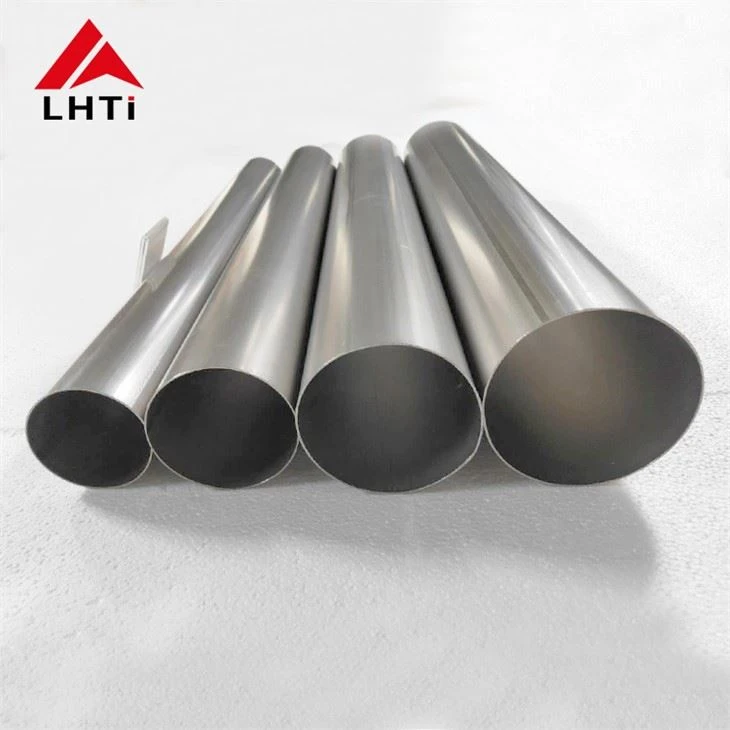

When cutting titanium tubes, heat management, tool selection, and safety precautions are important considerations. Cut titanium tubes have a wide range of applications in industries such as aerospace, medical, and chemical processing.
If you are interested in our titanium tubes or have any questions about cutting them, please feel free to contact us. We are committed to providing high - quality products and excellent customer service.
References
- ASM Handbook Volume 6: Welding, Brazing, and Soldering
- Titanium: A Technical Guide by J. R. Davis



