

Hey there! As a tantalum bar supplier, I'm stoked to share with you all about the different surface finishes of tantalum bars. Tantalum is an amazing metal, known for its high melting point, corrosion resistance, and excellent electrical conductivity. These properties make tantalum bars super useful in a whole bunch of industries, from electronics to aerospace. But did you know that the surface finish of a tantalum bar can affect its performance and suitability for specific applications? Well, it totally can! So, let's dive in and explore the various surface finishes available.
1. Mill Finish
The mill finish is the most basic surface finish you'll find on tantalum bars. It's the way the bar comes right from the manufacturing process. When tantalum is first produced, it has a natural, somewhat rough appearance. This finish is characterized by a dull, grayish - metallic look. It retains the marks and textures left by the hot rolling, forging, or extrusion processes used to shape the bar.
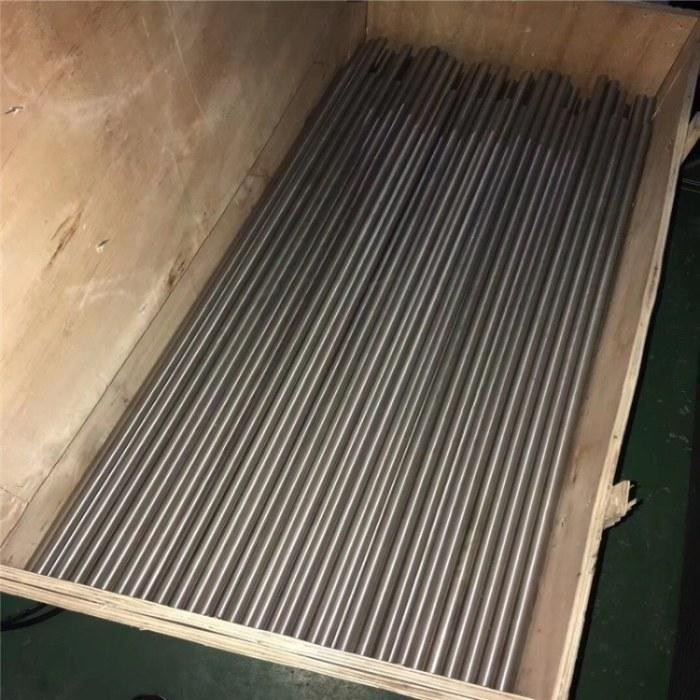
Mill finish tantalum bars are quite cost - effective because they require minimal additional processing. They're commonly used in applications where the appearance of the bar isn't a major concern, and the focus is more on the bar's mechanical properties. For example, in some chemical processing equipment, mill finish tantalum bars can be used as support structures or electrodes. The rough surface might even help in certain applications where better adhesion is needed, like when the bar is to be coated or joined with other materials. If you're interested in a mill finish Tantalum Rod, just hit me up.
2. Polished Finish
A polished finish gives tantalum bars a shiny, smooth appearance. There are different levels of polish, ranging from a basic satin polish to a high - gloss mirror polish. To achieve a polished finish, the bar goes through a series of grinding and buffing steps. Fine abrasives are used to gradually smooth the surface of the metal, removing any roughness and imperfections.
The satin polish gives the bar a soft sheen. It's a bit less shiny than a mirror polish but still has a smooth and clean look. Satin - polished tantalum bars are often used in decorative applications or in products where a clean, professional appearance is desired. They're also used in some medical devices where the smooth surface can help prevent the accumulation of dirt and bacteria.
On the other hand, the high - gloss mirror polish provides a very reflective and eye - catching finish. This type of finish is more labor - intensive and expensive to produce. Mirror - polished tantalum bars are commonly used in high - end jewelry or in some precision instruments where the optical qualities of the surface are important. Check out our Tantalum Round Bar with a polished finish if you're into that sleek look.
3. Pickled Finish
The pickled finish involves treating the tantalum bar with a chemical solution, usually an acid mixture. This process helps to remove any surface impurities, such as oxides or scale, that might have formed during the manufacturing process. The acid solution etches the surface of the bar slightly, giving it a clean, uniform appearance.
Pickled tantalum bars have a slightly matte look, and they're more corrosion - resistant compared to mill finish bars. The removal of surface oxides helps to expose the pure tantalum surface, which has better resistance to chemical attack. This finish is often used in applications where the bar will be exposed to corrosive environments, such as in the chemical industry or in some marine applications. If you need a pickled finish for your tantalum bar project, we've got you covered.
4. Coated Finish
Sometimes, tantalum bars are given a coated finish to enhance their performance in specific applications. There are different types of coatings that can be applied, such as ceramic coatings or polymer coatings.
Ceramic coatings are known for their high hardness and wear resistance. When applied to a tantalum bar, they can protect the bar from abrasion and wear in harsh environments. For example, in some machining applications where the bar is in contact with abrasive materials, a ceramic - coated tantalum bar can last much longer.
Polymer coatings, on the other hand, can provide additional corrosion protection and can also improve the bar's electrical insulation properties. They're often used in electrical applications where the bar needs to be isolated from other conductive materials. If you're thinking about a coated tantalum bar for your project, we can discuss the best coating options for you.
5. Bead - Blasted Finish
The bead - blasted finish is achieved by propelling small glass or ceramic beads at high speed onto the surface of the tantalum bar. This process creates a uniform, textured surface. The beads impact the surface, removing any surface contaminants and creating a matte, pebbled appearance.
Bead - blasted tantalum bars have improved adhesion properties, which makes them suitable for applications where a coating or paint needs to be applied. The textured surface provides more surface area for the coating to bond to. They're also used in applications where a non - reflective surface is desired, such as in some optical or lighting equipment.
Why Surface Finish Matters
The surface finish of a tantalum bar isn't just about looks. It can have a significant impact on the bar's performance. For instance, a smooth, polished surface can reduce friction in applications where the bar moves against other parts. This can lead to less wear and tear and improved efficiency.
In terms of corrosion resistance, a pickled or coated finish can provide better protection against harsh chemicals and environments. This is crucial in industries like chemical processing and marine engineering, where equipment needs to withstand corrosive substances for long periods.
The surface finish can also affect the bar's electrical properties. A clean, smooth surface can improve electrical conductivity, which is important in electronics and electrical applications.
Choosing the Right Surface Finish
When it comes to choosing the right surface finish for your tantalum bar, there are a few things to consider. First, think about the application. If you're using the bar in a decorative piece, a polished finish might be the way to go. But if it's for a chemical processing plant, a pickled or coated finish would be more appropriate.
Cost is another factor. Some finishes, like the high - gloss mirror polish, are more expensive to produce due to the additional processing steps involved. You need to balance your budget with the performance requirements of your application.
Lastly, consider any post - processing steps. If you plan to coat or paint the bar later, a bead - blasted finish could provide better adhesion.
Let's Talk Business
So, now that you know all about the different surface finishes of tantalum bars, are you ready to start your next project? Whether you need a mill - finish Tantalum Rod for a simple support structure or a highly polished Tantalum Round Bar for a high - end jewelry piece, we've got the perfect solution for you.
We're here to help you choose the right surface finish based on your specific needs. If you have any questions or want to discuss your project in more detail, just reach out. Let's work together to find the ideal tantalum bar solution for you.

References
- "Handbook of Tantalum and Niobium" by various authors
- "Surface Engineering for Corrosion and Wear Resistance" by S. K. Chatterjee
- Industry reports on tantalum applications and surface finishing techniques



