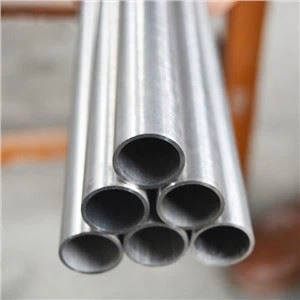
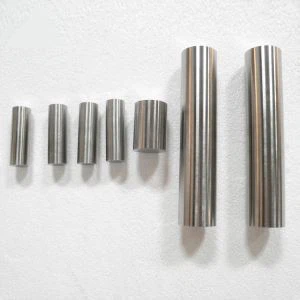
As a seasoned supplier of titanium bars, I've encountered numerous challenges and queries from our clients over the years. One common issue that often arises is how to straighten a bent titanium bar. Titanium bars are widely used in various industries, including Titanium Bar For Cathodic Protection, Gr2 Solid Titanium Rod, and Titanium Bar For Dental Implants. Understanding the proper methods for straightening these bars is crucial to ensure their functionality and quality.
Understanding Titanium's Properties
Before delving into the straightening process, it's essential to understand the unique properties of titanium. Titanium is known for its high strength-to-weight ratio, excellent corrosion resistance, and biocompatibility. However, these properties also make it a challenging material to work with, especially when it comes to straightening. Titanium has a relatively low modulus of elasticity, which means it can withstand significant stress before deforming permanently. Once bent, titanium bars tend to retain their shape due to their high yield strength.
Assessing the Bend
The first step in straightening a bent titanium bar is to assess the severity and location of the bend. Minor bends can often be corrected using simple hand tools, while more severe bends may require specialized equipment and techniques. Carefully examine the bar to determine the angle and radius of the bend. This information will help you choose the most appropriate straightening method.
Hand Tools for Minor Bends
For minor bends, you can use basic hand tools such as a vise, a hammer, and a block of wood. Secure the titanium bar in a vise, making sure it is firmly held in place. Place a block of wood on the bent section of the bar to protect it from damage. Gently tap the wood with a hammer, applying controlled pressure to gradually straighten the bar. Be careful not to apply too much force, as this can cause the bar to crack or break.
Heat Treatment
In some cases, heat treatment can be used to make the titanium bar more malleable and easier to straighten. However, this method requires careful control of the temperature and cooling rate to avoid damaging the material. Preheat the bar to a specific temperature, typically between 500°C and 700°C, using a furnace or a torch. Once the bar reaches the desired temperature, remove it from the heat source and quickly straighten it using a press or a hydraulic ram. After straightening, allow the bar to cool slowly in air to prevent residual stresses from forming.
Press Straightening
For more severe bends, press straightening is often the most effective method. This involves using a hydraulic press or a mechanical press to apply a controlled force to the bent section of the bar. Place the bar between two dies or platens, aligning the bend with the center of the press. Gradually increase the pressure on the press until the bar begins to straighten. Monitor the process closely to ensure that the bar is being straightened evenly and without excessive deformation.
Roll Straightening
Roll straightening is another option for straightening titanium bars, especially those with long lengths or multiple bends. This method involves passing the bar through a series of rollers that apply pressure to the bar from different directions. The rollers are adjusted to gradually reduce the bend and straighten the bar. Roll straightening is a continuous process that can be used to achieve high levels of straightness and accuracy.
Quality Control
After straightening the titanium bar, it's important to perform a quality control check to ensure that it meets the required specifications. Use a straightedge or a laser alignment system to measure the straightness of the bar. Check for any signs of cracking, deformation, or other defects. If the bar does not meet the specifications, it may need to be re-straightened or discarded.
Preventing Bends
To minimize the risk of bending, it's important to handle titanium bars with care during transportation, storage, and installation. Use proper lifting equipment and techniques to avoid applying excessive stress to the bars. Store the bars in a dry, clean environment to prevent corrosion and damage. When installing the bars, make sure they are properly supported and aligned to prevent bending under load.


Conclusion
Straightening a bent titanium bar requires a combination of knowledge, skill, and the right tools. By understanding the properties of titanium, assessing the bend, and choosing the appropriate straightening method, you can effectively straighten a bent titanium bar and ensure its functionality and quality. At our company, we are committed to providing high-quality titanium bars and excellent customer service. If you have any questions or need assistance with straightening a bent titanium bar, please don't hesitate to contact us. We look forward to working with you to meet your titanium bar needs.
References
- "Titanium: Properties, Processing, and Applications" by J. C. Williams
- "Materials Science and Engineering: An Introduction" by William D. Callister, Jr.
- "Handbook of Titanium Alloys" by Yuri Estrin, Mark A. Meyers, and Easo P. George