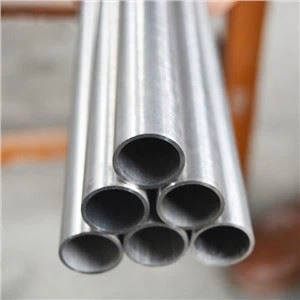
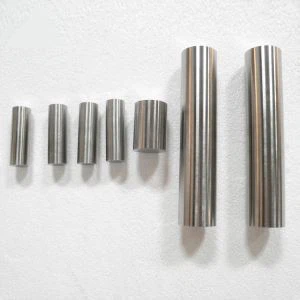
Hey there! I'm a supplier of tantalum bars, and today I wanna have a chat about how tantalum bars stack up against other metal bars.
Physical and Chemical Properties
Let's start with the basics - the physical and chemical properties. Tantalum is a pretty unique metal. It has an extremely high melting point, around 3017°C. That's way higher than a lot of other common metals. For example, copper has a melting point of about 1085°C, and aluminum melts at around 660°C. This high melting point makes tantalum bars ideal for applications where high temperatures are involved, like in the aerospace and electronics industries.
In terms of density, tantalum is quite heavy. It has a density of about 16.69 g/cm³. Compare that to titanium, which has a density of around 4.51 g/cm³, and you can see that tantalum is much denser. This density gives tantalum bars a certain heft and can be an advantage in applications where weight is a factor, such as in some types of radiation shielding.
Chemically, tantalum is highly resistant to corrosion. It forms a very stable oxide layer on its surface, which protects it from most acids and alkalis. This is a huge plus compared to metals like iron, which rusts easily when exposed to moisture and oxygen. In fact, tantalum can withstand the attack of hydrofluoric acid at room temperature, something that very few metals can do. This corrosion resistance makes tantalum bars perfect for use in chemical processing equipment, where they need to be in contact with corrosive substances all the time.
Mechanical Properties
When it comes to mechanical properties, tantalum bars have some great features. They are quite ductile, which means they can be easily drawn into wires or hammered into thin sheets without breaking. This is in contrast to some brittle metals like cast iron, which shatter when you try to deform them. The ductility of tantalum makes it easy to work with during the manufacturing process, allowing for the production of complex shapes and components.
Tantalum also has good tensile strength. It can withstand a fair amount of pulling force without breaking. While it may not be as strong as some high - strength steels, its combination of ductility and strength makes it suitable for a wide range of applications. For example, in the medical field, tantalum bars can be used to make implants because they can handle the stresses and strains within the body without failing.
Cost and Availability
Now, let's talk about cost and availability. Tantalum is a relatively rare metal, and its extraction and refining process is quite complex. This makes tantalum bars more expensive than many other common metals like steel or aluminum. However, the cost can be justified by its unique properties. In applications where the performance of tantalum is crucial, such as in high - end electronics or critical chemical processing equipment, the extra cost is often worth it.
In terms of availability, while tantalum is not as abundant as some other metals, the market has been able to meet the demand to a large extent. As a supplier, I work hard to ensure a steady supply of high - quality tantalum bars to my customers. We source our tantalum from reliable mines and use advanced refining techniques to produce bars that meet the strictest quality standards.
Applications
Tantalum bars have a wide range of applications, and this is where their comparison with other metal bars really becomes interesting.
In the electronics industry, tantalum is used to make capacitors. Tantalum capacitors are known for their high capacitance per unit volume, low leakage current, and long - term stability. Compared to aluminum electrolytic capacitors, tantalum capacitors can provide better performance in high - frequency circuits. This is because tantalum has a higher dielectric constant, which allows for more charge storage in a smaller space. You can check out our Tantalum Rod and Tantalum Round Bar products, which are often used in the production of these electronic components.
In the aerospace industry, tantalum bars are used in jet engines and other high - temperature components. The high melting point and excellent mechanical properties of tantalum make it suitable for withstanding the extreme conditions inside a jet engine. Other metals may not be able to handle the high temperatures and stresses, leading to premature failure.
In the medical field, tantalum is biocompatible, which means it can be used inside the human body without causing an immune reaction. Tantalum bars can be used to make bone implants, dental implants, and other medical devices. Compared to other metals used in medicine, like stainless steel, tantalum has better corrosion resistance and is less likely to cause allergic reactions.
Comparison with Specific Metals
Let's take a closer look at how tantalum bars compare with some specific metals.
Titanium: Titanium is another metal that is known for its high strength - to - weight ratio and corrosion resistance. However, tantalum has a much higher melting point and better corrosion resistance in some harsh chemical environments. Titanium may be a better choice for applications where weight is a critical factor, like in aircraft frames. But when it comes to high - temperature and highly corrosive applications, tantalum takes the lead.
Nickel: Nickel is widely used in many industries due to its good corrosion resistance and mechanical properties. However, tantalum's corrosion resistance is superior, especially in acidic environments. Nickel can be attacked by some strong acids, while tantalum remains stable. In addition, tantalum's high melting point gives it an edge in high - temperature applications.

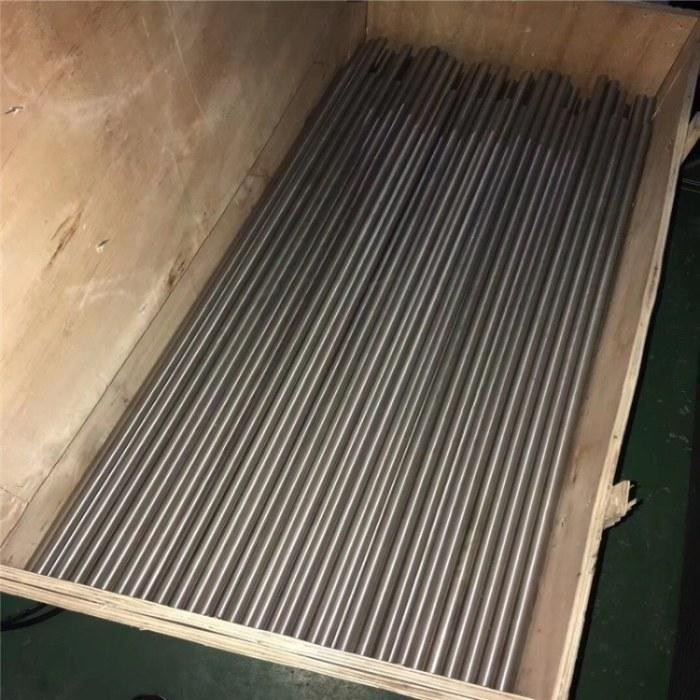
Copper: Copper is a very common metal, known for its excellent electrical conductivity. Tantalum also has good electrical conductivity, but it is not as high as copper. However, tantalum's other properties, such as its high melting point and corrosion resistance, make it more suitable for applications where copper may not be able to perform well, like in high - temperature electrical contacts.
Conclusion
In conclusion, tantalum bars have a lot of unique properties that set them apart from other metal bars. Their high melting point, excellent corrosion resistance, good mechanical properties, and biocompatibility make them suitable for a wide range of high - end applications. While they may be more expensive than some common metals, the performance they offer often justifies the cost.
If you're in the market for high - quality tantalum bars for your specific application, I'd love to have a chat with you. Whether you're in the electronics, aerospace, medical, or chemical processing industry, I can provide you with the right tantalum bar products to meet your needs. Just reach out to me, and we can start discussing your requirements and how we can work together.
References
- "The Handbook of Tantalum and Niobium" by R. E. Lerner
- "Metals and Alloys in the Service of Mankind" by C. Wert and R. M. Thomson