


For an ASTM titanium flange used in a piping or equipment project, delivery is not the same as installation readiness. After the part leaves the manufacturer, it may be unloaded, transferred, stored, and inspected before it is fitted into the connection. Each stage can affect the condition of the sealing face, bolt holes, machined surfaces, and identification marks.
A receiving and storage checklist gives the project team a simple way to confirm that the flange remains clean, identifiable, supported, and ready for the next engineering review. This is useful for standard and custom flanges, especially when the component will be installed later or transported through more than one location.
Why Receiving Inspection Should Come Before Storage
Before placing the flange in a warehouse or staging area, check the package and the available project documents. The receiving team should verify the product identification, inspect the packaging for visible damage, and note any signs that the part may have shifted or been impacted during transport.
The identification should remain connected to the correct purchase or engineering records. For projects with ASTM material requirements or ASME-related dimensional references, this helps prevent confusion between similar components before the drawing, material documents, and installation position are reviewed together.
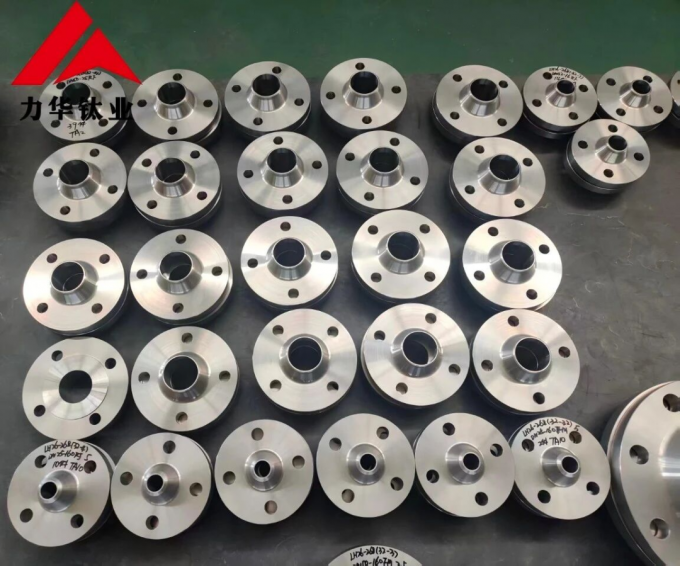
Receiving Checklist for a Titanium Flange
- Check the outer package for punctures, deformation, water exposure, or other visible transport damage.
- Compare the product marking with the purchase order, drawing, packing information, and available material records.
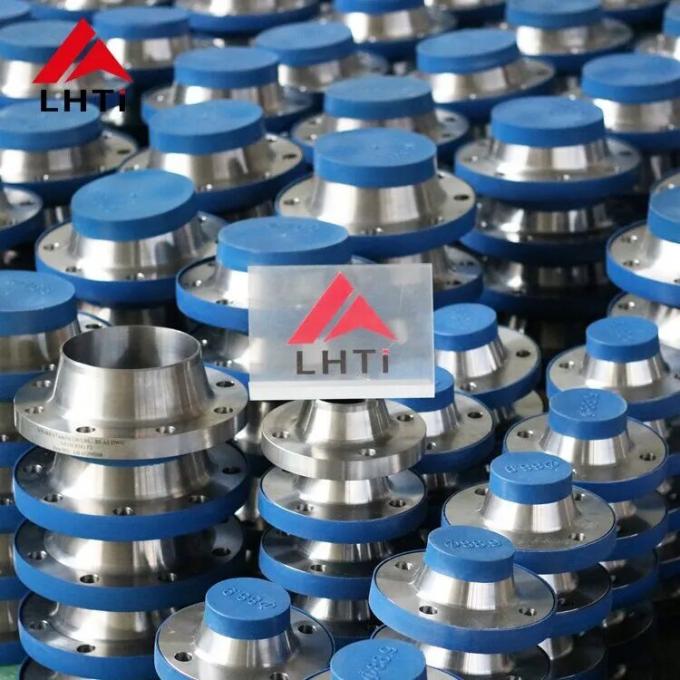
- Confirm that protective covers or isolation materials remain in place on the sealing face and other machined areas.
- Look for visible damage around the flange edge, bolt holes, raised or recessed surfaces, and other finished areas.
- Record any abnormal condition before the product is moved into long-term or temporary storage.
- Keep the flange in a clean, stable, and supported location away from direct ground contact.
Protect the Sealing Face and Machined Areas
The sealing face should not be left exposed unnecessarily. Dust, sand, moisture, and accidental contact can complicate the final inspection and may affect the preparation of the connection. Protection should remain in place until the project team is ready to examine and clean the surface according to the applicable installation procedure.
Bolt holes also deserve attention. Debris entering the holes can create additional cleaning work and may interfere with fastener installation. The flange should be handled in a way that avoids dragging it across a floor or placing concentrated loads on the edge or finished surface.
Storage and Support for Large or Custom Flanges
Large or custom titanium flanges may require particular attention during unloading and internal transfer. The support points should be stable and suitable for the product shape. An unsuitable support arrangement can result in edge contact, local impact, or unnecessary pressure during movement.
The storage area should provide enough stability and clearance to prevent overturning, contact with other metal parts, and interference with later lifting operations. The project's handling method and site safety requirements should govern the use of lifting equipment and temporary supports.
| Item to Verify | Reason for Verification |
|---|---|
| Package condition at receipt | Provides an initial record of the delivery condition |
| Product marking and documentation reference | Maintains traceability to the correct project component |
| Sealing face and machined-area protection | Reduces contamination and accidental surface damage |
| Bolt-hole cleanliness and edge condition | Supports later inspection and fastener installation |
| Storage support, isolation, and clearance | Reduces avoidable impact, pressure, and handling risk |
Packaging Should Preserve Inspection and Installation Readiness
For an industrial titanium flange, packaging has a wider purpose than preventing visible transport damage. It should help preserve the condition that allows the buyer to inspect the product, confirm its identity, compare it with the approved drawing, and prepare it for installation.
When requesting a quotation or defining a delivery requirement, buyers should provide the flange dimensions, drawing references, surface-protection expectations, transport route where relevant, and any site storage limitations. This gives the manufacturer a clearer basis for discussing packaging and handling requirements without adding assumptions that have not been confirmed.
A Delivery Is Complete When the Part Is Ready for the Next Step
The final objective of delivery is not simply to move the flange from the factory to the customer. The component should arrive in a condition that supports identification, inspection, fit-up review, and safe installation. Protecting the flange after dispatch helps maintain the value of the manufacturing and inspection work already completed.
Lihua Titanium Industry has focused on titanium materials and titanium products for nearly 20 years. For ASTM titanium flanges and custom components based on customer drawings, provide the available project documents, product dimensions, handling expectations, and installation timing so delivery protection can be considered together with manufacturing requirements.
Send your titanium flange drawing and receiving requirements for a practical review before production and delivery.


