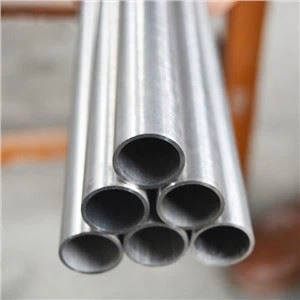
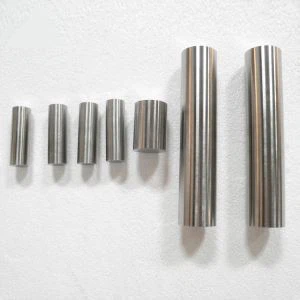
Hey there! As a supplier of Gr5 Titanium Plate, I often get asked about the best machining techniques for this awesome material. Gr5 Titanium, also known as Ti-6Al-4V, is a popular choice in various industries due to its high strength, low density, and excellent corrosion resistance. But machining it can be a bit tricky. So, let's dive into the suitable machining techniques for Gr5 Titanium Plate.
Turning
Turning is one of the most common machining processes, and it can be used effectively on Gr5 Titanium Plate. When turning Gr5 Titanium, you need to pay attention to several key factors. First, the cutting speed is crucial. Since titanium has a low thermal conductivity, high cutting speeds can lead to excessive heat generation, which can damage the tool and affect the surface finish of the workpiece. A recommended cutting speed for turning Gr5 Titanium is usually in the range of 30 - 60 m/min.
The feed rate also matters. A too-high feed rate can cause chatter and poor surface quality, while a too-low feed rate will result in longer machining times. A typical feed rate for turning Gr5 Titanium is around 0.1 - 0.2 mm/r.
Tool selection is another important aspect. Carbide tools with a sharp cutting edge and a positive rake angle are commonly used for turning Gr5 Titanium. These tools can withstand the high cutting forces and heat generated during the machining process.
Milling
Milling is used to create various shapes and features on the Gr5 Titanium Plate. Similar to turning, the cutting speed and feed rate are critical in milling. For end milling of Gr5 Titanium, a cutting speed of about 40 - 80 m/min is often recommended, and the feed per tooth can be around 0.05 - 0.15 mm/tooth.
When milling Gr5 Titanium, it's essential to use a coolant. A water-soluble coolant can help reduce the heat generated during the cutting process, improve the tool life, and enhance the surface finish of the workpiece. You can use flood coolant or through-tool coolant delivery systems to ensure effective cooling.
Ball nose end mills are often used for milling complex shapes on Gr5 Titanium Plate. These tools can provide a smooth surface finish and are suitable for contouring and 3D machining operations.
Drilling
Drilling holes in Gr5 Titanium Plate can be challenging because of its high strength and low thermal conductivity. To drill Gr5 Titanium successfully, you need to use the right drills and techniques. High-speed steel (HSS) drills are not recommended for drilling Gr5 Titanium because they wear out quickly. Instead, carbide drills are a better choice.
The drill point angle is important. A drill point angle of 130 - 140 degrees is often used for drilling Gr5 Titanium. This angle helps to reduce the cutting forces and improve the chip evacuation.
When drilling, a slow spindle speed and a low feed rate are usually required. A spindle speed of 500 - 1000 rpm and a feed rate of 0.05 - 0.1 mm/r are typical for drilling Gr5 Titanium. Also, using a coolant during the drilling process is crucial to prevent the drill from overheating and to improve the hole quality.
Grinding
Grinding can be used to achieve a high surface finish on the Gr5 Titanium Plate. However, grinding Gr5 Titanium is not as straightforward as grinding other materials. Titanium has a tendency to clog the grinding wheel, which can lead to poor surface finish and reduced wheel life.
To overcome this problem, you can use a vitrified bonded grinding wheel with a coarse grit size. The grinding wheel should be dressed regularly to keep the cutting edges sharp. A low grinding pressure and a high wheel speed are recommended for grinding Gr5 Titanium.
Coolant is also essential in grinding. A water-based coolant with a suitable additive can help reduce the heat generated during the grinding process and prevent the titanium from sticking to the grinding wheel.
Impact of Machining on Gr5 Titanium Plate Properties
It's important to note that the machining process can have an impact on the properties of the Gr5 Titanium Plate. For example, excessive heat generated during machining can cause the formation of a heat-affected zone (HAZ) on the surface of the workpiece. The HAZ can have different mechanical properties compared to the base material, which may affect the performance of the final product.
To minimize the impact of machining on the material properties, it's crucial to control the cutting parameters, use proper coolant, and select the right tools. By doing so, you can ensure that the Gr5 Titanium Plate retains its excellent mechanical properties and corrosion resistance after machining.
Our Gr5 Titanium Plate Products
At our company, we offer high-quality Gr5 Titanium Plate products. For instance, we have the Hot Rolled Pickling Surface Gr5 Titanium Plate Corrosion Resistance. This plate has a hot-rolled pickling surface, which provides good corrosion resistance and a smooth appearance.
We also have the ASTM B265 GR2 Straight Titanium Plate 15mm Thickness Hot Rolled. Although it's a GR2 plate, it shows our expertise in providing high-quality titanium plates. And our 6-6-2 Titanium Sheet is another great option for different applications.
Conclusion
In conclusion, machining Gr5 Titanium Plate requires careful consideration of various factors such as cutting speed, feed rate, tool selection, and coolant usage. By using the right machining techniques, you can achieve good surface finish, high precision, and maintain the excellent properties of the Gr5 Titanium Plate.

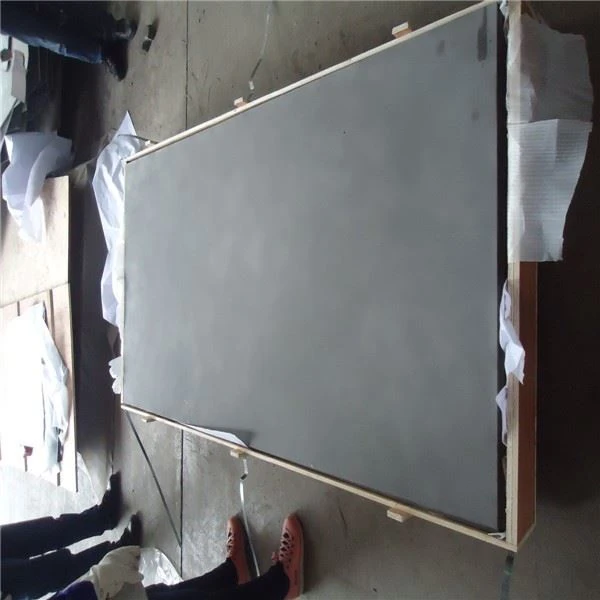
If you're interested in purchasing our Gr5 Titanium Plate or have any questions about the machining techniques, feel free to contact us for a purchase negotiation. We're always here to help you find the best solutions for your needs.
References
- "Machining of Titanium Alloys" - A technical guide on machining titanium alloys.
- "Titanium: Properties and Applications" - A comprehensive book on the properties and applications of titanium and its alloys.