As a supplier of titanium fasteners, I often encounter questions from customers regarding the compatibility of titanium fasteners with other materials. This is a crucial aspect to consider in various industries, as improper material combinations can lead to issues such as corrosion, reduced mechanical performance, and even structural failures. In this blog post, I will delve into the topic of whether titanium fasteners are compatible with other materials, exploring the factors that influence compatibility and providing practical insights for making informed decisions.
Understanding Titanium's Properties
Before discussing compatibility, it's essential to understand the unique properties of titanium. Titanium is a lightweight, strong, and corrosion-resistant metal. It has a high strength-to-weight ratio, making it ideal for applications where weight reduction is critical, such as aerospace and automotive industries. Additionally, titanium exhibits excellent corrosion resistance, particularly in harsh environments such as saltwater and chemical exposure. These properties make titanium fasteners a popular choice for a wide range of applications.
Compatibility with Metals
Steel
One of the most common questions is whether titanium fasteners are compatible with steel. The answer is generally yes, but with some considerations. Titanium and steel have different electrochemical potentials, which can lead to galvanic corrosion when they are in contact in the presence of an electrolyte (such as water or moisture). To mitigate this risk, it's recommended to use insulating materials, such as plastic washers or coatings, between the titanium fastener and the steel component. This helps to prevent direct electrical contact and reduce the likelihood of galvanic corrosion.
Aluminum
Titanium fasteners are also compatible with aluminum in many applications. Aluminum is a lightweight metal with good corrosion resistance, and it is commonly used in aerospace, automotive, and marine industries. Similar to the case with steel, galvanic corrosion can occur when titanium and aluminum are in contact. However, the risk is relatively low compared to the titanium-steel combination. Using insulating materials or applying protective coatings can further reduce the risk of corrosion.
Stainless Steel
Stainless steel is another material that is often used in conjunction with titanium fasteners. Stainless steel has excellent corrosion resistance and is widely used in various industries. Titanium and stainless steel have similar electrochemical potentials, which means that the risk of galvanic corrosion is relatively low. However, it's still important to consider the specific environmental conditions and the potential for crevice corrosion. Proper installation and maintenance can help to ensure the long-term performance of the joint.
Compatibility with Non-Metals
Plastics
Titanium fasteners are generally compatible with plastics. Plastics are lightweight, corrosion-resistant, and have excellent electrical insulation properties. They are commonly used in applications where weight reduction, chemical resistance, or electrical insulation is required. Titanium fasteners can be used to secure plastic components, and the compatibility is usually good. However, it's important to consider the mechanical properties of the plastic and the torque requirements of the fastener to ensure a secure and reliable joint.
Ceramics
Ceramics are hard, brittle materials with excellent high-temperature resistance and electrical insulation properties. Titanium fasteners can be used to join ceramic components, but the compatibility depends on the specific ceramic material and the application requirements. Some ceramics may be prone to cracking or chipping during installation, so it's important to use appropriate installation techniques and to select fasteners with the right size and shape.
Factors Affecting Compatibility
In addition to the materials themselves, several factors can affect the compatibility of titanium fasteners with other materials. These factors include:
- Environmental Conditions: The presence of moisture, chemicals, and temperature can significantly impact the corrosion resistance of the materials. Harsh environments, such as saltwater or acidic conditions, can increase the risk of corrosion and reduce the compatibility of the fastener and the mating material.
- Surface Finish: The surface finish of the fastener and the mating material can also affect compatibility. A smooth surface finish can reduce the risk of corrosion and improve the performance of the joint. Additionally, applying protective coatings or treatments can enhance the corrosion resistance of the materials.
- Mechanical Loads: The mechanical loads applied to the joint can also influence compatibility. High loads can cause stress concentration and deformation, which can lead to premature failure of the fastener or the mating material. It's important to select fasteners with the appropriate strength and size to withstand the expected loads.
Practical Considerations for Compatibility
When using titanium fasteners in conjunction with other materials, it's important to follow these practical considerations to ensure compatibility and long-term performance:
- Conduct a Compatibility Assessment: Before selecting a fastener and a mating material, it's recommended to conduct a compatibility assessment. This can involve consulting with a materials engineer or conducting laboratory tests to evaluate the corrosion resistance and mechanical performance of the materials.
- Use Insulating Materials: To prevent galvanic corrosion, it's often necessary to use insulating materials, such as plastic washers or coatings, between the titanium fastener and the mating material. This helps to isolate the two materials and reduce the risk of electrical contact.
- Proper Installation: Proper installation techniques are crucial for ensuring the compatibility and performance of the joint. This includes using the correct torque values, ensuring proper alignment, and avoiding over-tightening or under-tightening the fastener.
- Regular Inspection and Maintenance: Regular inspection and maintenance can help to detect and address any issues with the joint before they become serious. This includes checking for signs of corrosion, damage, or loosening of the fastener.
Our Product Offerings
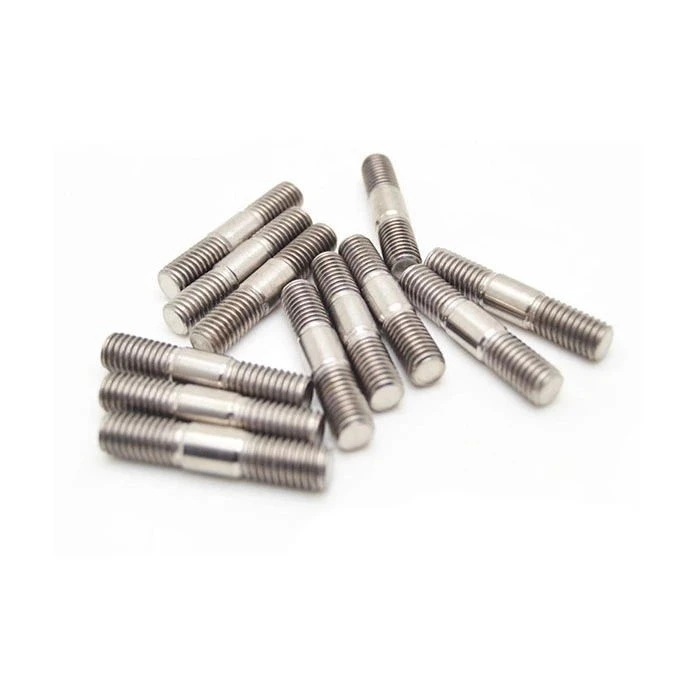
As a leading supplier of titanium fasteners, we offer a wide range of products to meet the diverse needs of our customers. Our product portfolio includes Titanium Stud Bolt M8, Titanium Studs, and Titanium Spring Washers. These products are manufactured using high-quality titanium materials and advanced manufacturing processes to ensure excellent performance and reliability.
Conclusion
In conclusion, titanium fasteners are generally compatible with a wide range of materials, including metals, plastics, and ceramics. However, it's important to consider the specific properties of the materials, the environmental conditions, and the mechanical loads when selecting a fastener and a mating material. By following the practical considerations outlined in this blog post, you can ensure the compatibility and long-term performance of your joints. If you have any questions or need further assistance with selecting the right titanium fasteners for your application, please don't hesitate to contact us. We are here to help you make informed decisions and provide you with the best solutions for your needs.

References
- "Materials Science and Engineering: An Introduction" by William D. Callister Jr. and David G. Rethwisch
- "Corrosion Engineering" by Mars G. Fontana
- "Fasteners and Fixings Handbook" by John H. Bickford