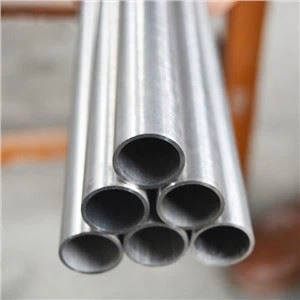
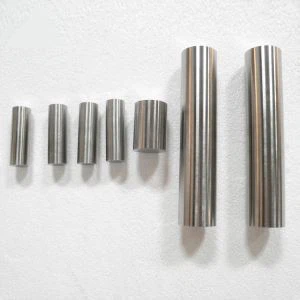
Hey there! As a supplier of titanium wire, I've seen a lot of welding projects using our products. Titanium wire is known for its high strength, low density, and excellent corrosion resistance, which makes it a popular choice in various industries, including aerospace, medical, and marine. However, welding titanium wire comes with its own set of challenges. In this blog, I'll share some of the common welding challenges of titanium wire and how we can overcome them.
1. Contamination Risks
One of the biggest challenges when welding titanium wire is contamination. Titanium is highly reactive at high temperatures, and it can easily react with oxygen, nitrogen, and hydrogen in the air. Even a small amount of contamination can significantly reduce the mechanical properties of the weld, such as its strength, ductility, and corrosion resistance.
For instance, when titanium reacts with oxygen, it forms titanium oxide. This can make the weld brittle and prone to cracking. The same goes for nitrogen and hydrogen. Nitrogen can cause the formation of titanium nitride, which also affects the weld's quality, while hydrogen can lead to hydrogen embrittlement.
To prevent contamination, we need to take extra precautions during the welding process. First, the welding area should be thoroughly cleaned before starting. Any dirt, grease, or oxide layers on the titanium wire can introduce contaminants. We recommend using a suitable solvent to clean the wire and then drying it properly.
Second, shielding gas is crucial. High - purity argon or helium is commonly used as a shielding gas to protect the weld pool from atmospheric gases. The shielding gas should be flowing at an appropriate rate to ensure complete coverage of the weld area. For example, when using TIG (Tungsten Inert Gas) welding, the shielding gas flow rate might need to be adjusted based on the welding speed and the size of the weld.
2. High Melting Point and Heat - Affected Zone (HAZ)
Titanium has a relatively high melting point, around 1668°C (3034°F). This means that a significant amount of heat is required to melt the titanium wire during welding. The high heat input can lead to a large heat - affected zone (HAZ) around the weld.
The HAZ is the area of the base metal that has its properties changed due to the heat from welding. In the case of titanium, a large HAZ can cause grain growth. Coarse grains in the HAZ can reduce the strength and toughness of the material. Moreover, the high heat can also increase the risk of distortion in the welded parts, especially for thin - walled components.
To control the heat input and minimize the HAZ, we can use welding techniques that allow for precise heat control. For example, using a lower welding current and a higher welding speed can help reduce the amount of heat transferred to the base metal. Additionally, using a pulsed welding current can also be beneficial. With pulsed welding, the heat is applied in short bursts, which allows the material to cool slightly between pulses, reducing the overall heat input and the size of the HAZ.
3. Cooling Rate
The cooling rate of the weld is another important factor. If the weld cools too quickly, it can lead to residual stresses in the welded joint. Residual stresses can cause the weld to crack over time, especially under cyclic loading. On the other hand, if the cooling rate is too slow, it can result in excessive grain growth in the weld and the HAZ.
We can control the cooling rate by using pre - heating and post - heating techniques. Pre - heating the titanium wire and the base metal before welding can help reduce the temperature difference between the weld and the surrounding material, which in turn slows down the cooling rate. Post - heating, or stress - relieving heat treatment, can be used after welding to reduce the residual stresses. This involves heating the welded component to a specific temperature and holding it for a certain period of time before slowly cooling it down.
4. Welding Technique Compatibility
Not all welding techniques are suitable for titanium wire. For example, arc welding processes that involve the use of flux, such as shielded metal arc welding (SMAW), are generally not recommended for titanium because the flux can contaminate the weld.
TIG welding is one of the most commonly used methods for welding titanium wire. It offers good control over the welding arc and the heat input, and it allows for the use of a shielding gas to protect the weld from contamination. Another option is plasma arc welding, which can provide a more concentrated heat source and better penetration compared to TIG welding. However, it requires more specialized equipment.
When choosing a welding technique, we need to consider factors such as the thickness of the titanium wire, the type of joint, and the application requirements. We also need to ensure that the welding equipment is properly set up and maintained to achieve high - quality welds.
Our Titanium Wire Products
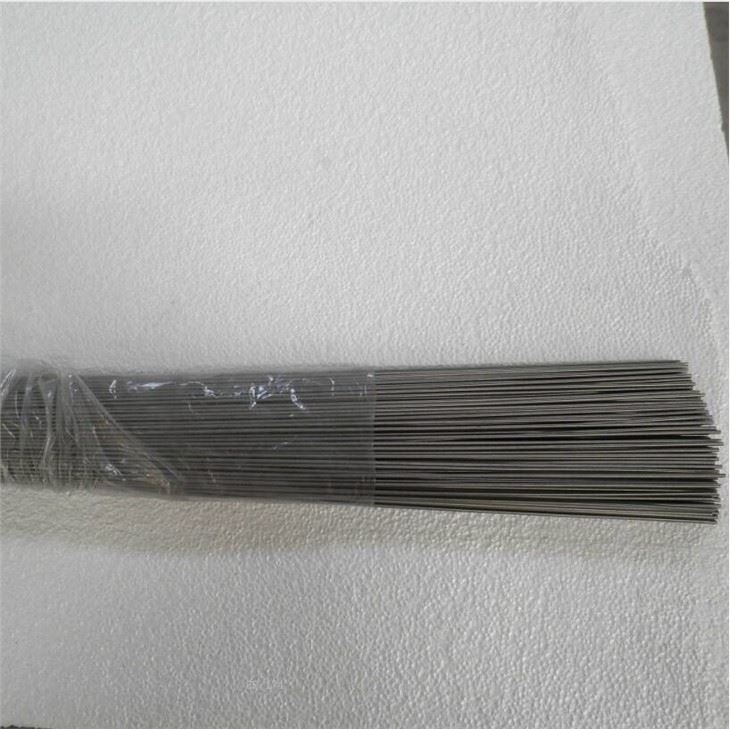
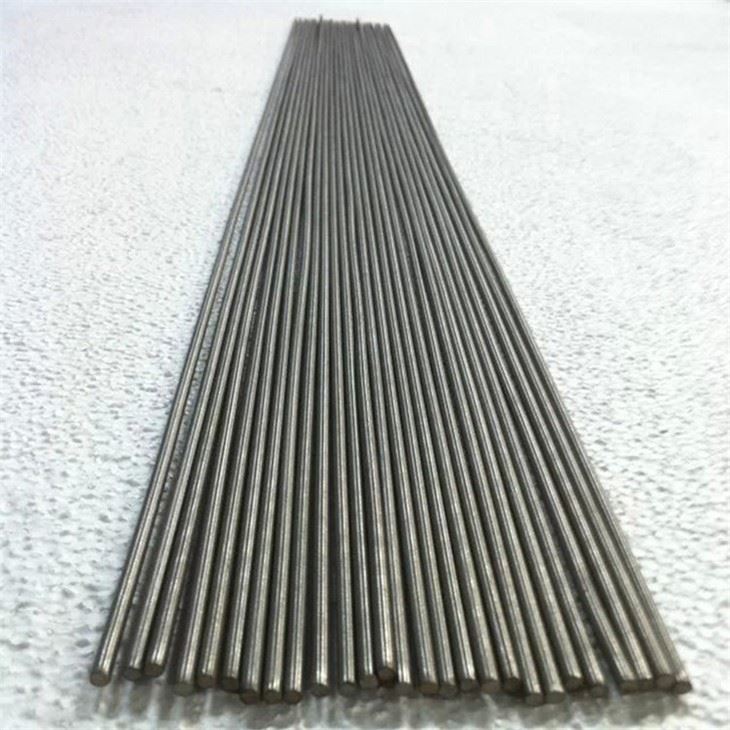
We offer a wide range of titanium wire products suitable for various welding applications. Our Titanium Filler Rod is of high quality, with precise chemical compositions and excellent mechanical properties. It is designed to provide strong and reliable welds.
Our ERTI - 5 Titanium Tig Welding Wire is a popular choice for TIG welding. It contains alloying elements that enhance the weld's properties, such as its strength and corrosion resistance.
We also have Titanium Alloy Wire, which is available in different grades and compositions. These alloy wires can be used to meet specific requirements in different industries.
Contact Us for Your Welding Needs
If you're facing welding challenges with titanium wire or if you're looking for high - quality titanium wire products for your welding projects, don't hesitate to contact us. We have a team of experts who can provide you with technical support and advice on welding techniques and product selection. We're committed to helping you achieve the best welding results with our titanium wire.
References
- "Titanium - A Technical Guide" by John C. Lippold and William M. Cross
- "Welding Metallurgy" by Robert W. Messler, Jr.