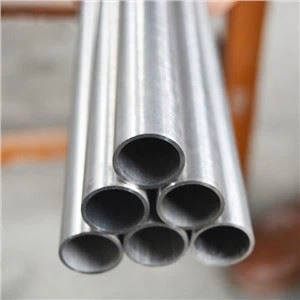
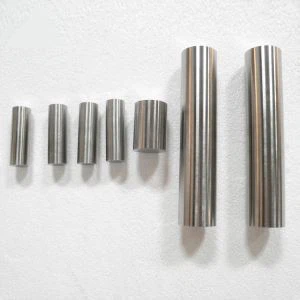
Tantalum, a rare and highly corrosion-resistant metal, has found extensive applications in various industries, from electronics to chemical processing. Tantalum tubes, in particular, are crucial components in many high-tech and industrial applications. As a leading tantalum tube supplier, I often encounter inquiries about the different grades of tantalum tubes. In this blog post, I will delve into the various grades of tantalum tubes, their characteristics, and typical applications.
Grade 1 Tantalum Tubes
Grade 1 tantalum tubes are the purest form of tantalum tubes available in the market. They are made from tantalum with a purity of at least 99.95%. This high level of purity gives Grade 1 tantalum tubes excellent corrosion resistance, especially in harsh chemical environments. They are highly resistant to acids, including sulfuric acid, hydrochloric acid, and nitric acid, making them ideal for use in the chemical processing industry.
In addition to their corrosion resistance, Grade 1 tantalum tubes also have good ductility and formability. This allows them to be easily fabricated into various shapes and sizes, making them suitable for a wide range of applications. For example, they are commonly used in heat exchangers, condensers, and reaction vessels in chemical plants. The high purity of Grade 1 tantalum tubes also makes them suitable for use in the electronics industry, where they are used in the production of capacitors, resistors, and other electronic components. You can find more information about our Grade 1 Tantalum Tubes on our website.
Grade 2 Tantalum Tubes
Grade 2 tantalum tubes are slightly less pure than Grade 1 tubes, with a tantalum purity of around 99.9%. They still offer excellent corrosion resistance, but their properties are slightly different from those of Grade 1 tubes. Grade 2 tantalum tubes are more cost - effective than Grade 1 tubes, making them a popular choice for applications where high purity is not strictly required.
These tubes are often used in general industrial applications, such as in the construction of pipes and fittings for transporting corrosive fluids. They are also used in some less demanding electronic applications, where the cost - performance ratio is a key consideration. The mechanical properties of Grade 2 tantalum tubes are similar to those of Grade 1 tubes, but they may have slightly lower ductility. However, they can still be fabricated into various shapes using standard metalworking techniques. Our Tantalum Tubes in Grade 2 are designed to meet the diverse needs of our customers in different industries.
Tantalum - Tungsten Alloy Tubes
Tantalum - tungsten alloy tubes are another important grade of tantalum tubes. These tubes are made by alloying tantalum with tungsten, which enhances their mechanical properties, especially their strength and hardness. Tantalum - tungsten alloy tubes are typically available in different compositions, with the tungsten content ranging from a few percent to over 20%.
The addition of tungsten increases the melting point and improves the high - temperature strength of the tubes. This makes them suitable for use in high - temperature applications, such as in aerospace and power generation industries. In aerospace, tantalum - tungsten alloy tubes are used in the construction of rocket engines and other high - performance components. In power generation, they can be used in heat exchangers and other equipment that operates at high temperatures.


However, the corrosion resistance of tantalum - tungsten alloy tubes is slightly lower than that of pure tantalum tubes. Therefore, they are usually used in applications where high - temperature strength is more important than corrosion resistance. The fabrication of tantalum - tungsten alloy tubes requires more advanced techniques due to their increased hardness.
Tantalum - Niobium Alloy Tubes
Tantalum - niobium alloy tubes are also widely used in various industries. Niobium is a metal that is similar to tantalum in many ways, and alloying tantalum with niobium can result in tubes with unique properties. Tantalum - niobium alloy tubes offer a good balance between corrosion resistance and cost.
These tubes are often used in the chemical industry, where they can provide a more economical alternative to pure tantalum tubes while still maintaining a high level of corrosion resistance. They are also used in some electronic applications, where their electrical properties can be tailored by adjusting the composition of the alloy. The mechanical properties of tantalum - niobium alloy tubes are comparable to those of pure tantalum tubes, but they may have different thermal expansion coefficients, which need to be considered in applications where temperature changes are significant.
Applications of Different Grades of Tantalum Tubes
The choice of tantalum tube grade depends on the specific application requirements. For applications in the chemical industry, where corrosion resistance is the primary concern, Grade 1 or Grade 2 tantalum tubes are often the preferred choice. In the electronics industry, high - purity Grade 1 tantalum tubes are commonly used due to their excellent electrical properties.
In high - temperature applications, such as in aerospace and power generation, tantalum - tungsten alloy tubes are more suitable because of their high - temperature strength. Tantalum - niobium alloy tubes, on the other hand, are a good option for applications where a balance between cost and performance is needed.
Quality Control in Tantalum Tube Production
As a tantalum tube supplier, we understand the importance of quality control in the production process. We use advanced manufacturing techniques and strict quality control measures to ensure that our tantalum tubes meet the highest standards. Our production process starts with the selection of high - quality raw materials. We carefully test the purity and composition of the tantalum and alloying elements to ensure that they meet the requirements of the specific grade.
During the manufacturing process, we use precision machining and forming techniques to produce tubes with accurate dimensions and smooth surfaces. We also conduct various tests, such as non - destructive testing and mechanical property testing, to ensure the integrity and quality of the tubes. Our quality control team monitors every step of the production process to ensure that the final products meet the customer's specifications.
Conclusion
In conclusion, there are several different grades of tantalum tubes, each with its own unique characteristics and applications. Whether you need high - purity Grade 1 tubes for the electronics industry, cost - effective Grade 2 tubes for general industrial applications, or alloy tubes for high - temperature or specialized applications, we have the right solution for you. As a reliable tantalum tube supplier, we are committed to providing our customers with high - quality products and excellent service.
If you are interested in purchasing tantalum tubes or have any questions about our products, please feel free to contact us. Our team of experts is ready to assist you in selecting the right grade of tantalum tubes for your specific application. We look forward to the opportunity to work with you and meet your tantalum tube needs.
References
- "Tantalum and Niobium: Properties, Processing, and Applications" by Smith, J. et al.
- "Corrosion Resistance of Tantalum Alloys" in the Journal of Corrosion Science
- "High - Temperature Alloys for Aerospace Applications" by Brown, A.