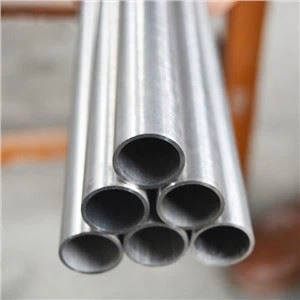
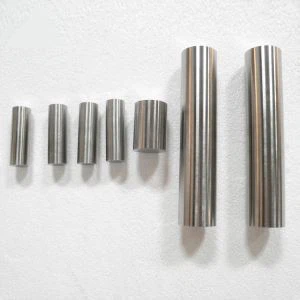
As a trusted Niobium Tube supplier, I understand the critical importance of purity in niobium tubes for various industrial applications. Impurities in niobium tubes can significantly affect their mechanical, electrical, and chemical properties, leading to sub - optimal performance in end - use products. In this blog, I will share some effective strategies on how to reduce the impurities in niobium tubes.
Understanding the Sources of Impurities
Before we delve into the methods of impurity reduction, it is essential to understand where these impurities come from. The raw materials used in niobium tube production can be a major source of impurities. Niobium ore often contains other elements such as tantalum, iron, titanium, and silicon. During the extraction and refining processes, if not properly controlled, these elements can remain in the niobium and end up in the final tube product.
Another source of impurities is the manufacturing process itself. Contamination can occur during melting, casting, and forming operations. For example, the crucibles used in melting may introduce trace elements into the niobium. Also, the environment in which the manufacturing takes place can contribute to impurities. Dust, moisture, and other airborne particles can contaminate the niobium during processing.
Purification of Raw Materials
The first step in reducing impurities in niobium tubes is to purify the raw materials. One of the most common methods is solvent extraction. This process involves dissolving the niobium ore in a suitable solvent and then using an organic extractant to selectively separate niobium from other elements. By carefully controlling the extraction conditions, such as pH, temperature, and the concentration of the extractant, a high - purity niobium solution can be obtained.
Another effective purification method is ion exchange. In this process, the niobium solution is passed through an ion - exchange resin. The resin selectively binds to niobium ions while allowing other impurities to pass through. This method can achieve a high degree of purification and is particularly useful for removing trace amounts of impurities.
Melting and Refining Techniques
Once the raw materials are purified, the next step is to melt and refine the niobium to further reduce impurities. Electron beam melting (EBM) is a widely used technique in niobium tube production. In EBM, a high - energy electron beam is focused on the niobium material, causing it to melt. The high vacuum environment in the EBM furnace helps to remove volatile impurities such as oxygen, nitrogen, and carbon. As the niobium melts, these impurities are vaporized and pumped out of the furnace.
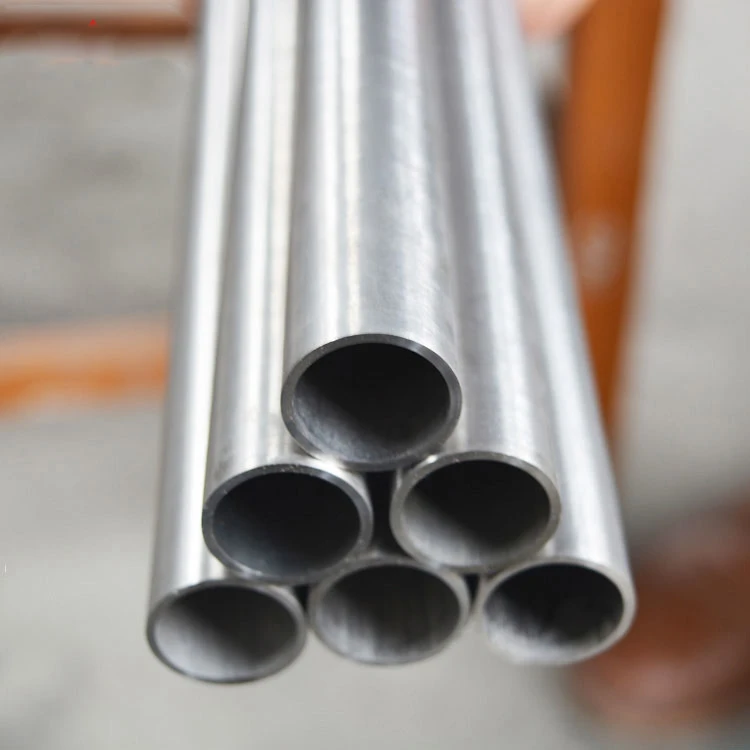
Another important refining technique is vacuum arc remelting (VAR). In VAR, an electric arc is struck between a niobium electrode and a water - cooled copper crucible. The niobium electrode melts under the high - temperature arc, and the molten niobium drips into the crucible. The vacuum environment in the VAR furnace helps to remove non - metallic inclusions and some metallic impurities. By repeating the VAR process multiple times, the purity of the niobium can be further improved.
Forming and Processing Considerations
During the forming and processing of niobium tubes, it is crucial to prevent re - contamination. The forming equipment, such as rolling mills and extrusion presses, should be kept clean to avoid introducing impurities. Special attention should be paid to the lubricants and coolants used in these processes. They should be carefully selected to ensure that they do not contain any substances that could contaminate the niobium.
Heat treatment is another important step in the processing of niobium tubes. Proper heat treatment can help to improve the microstructure of the niobium and reduce the presence of impurities. For example, annealing at a specific temperature can relieve internal stresses and promote the diffusion of impurities to the surface, where they can be removed through subsequent cleaning processes.
Quality Control and Testing
To ensure that the niobium tubes meet the required purity standards, strict quality control and testing procedures should be implemented. Spectroscopic analysis techniques, such as inductively coupled plasma - mass spectrometry (ICP - MS) and X - ray fluorescence (XRF), can be used to accurately measure the concentration of various elements in the niobium tubes. These techniques can detect trace amounts of impurities and provide detailed information about the chemical composition of the tubes.
In addition to chemical analysis, non - destructive testing methods such as ultrasonic testing and eddy - current testing can be used to detect internal defects and inclusions in the niobium tubes. These methods can help to identify any potential quality issues before the tubes are used in critical applications.
Conclusion
Reducing the impurities in niobium tubes is a complex but essential process to ensure the high performance and reliability of the final products. By purifying the raw materials, using advanced melting and refining techniques, paying attention to forming and processing considerations, and implementing strict quality control and testing procedures, a high - purity niobium tube can be produced.
As a [Your Company's Position] at a Niobium Tube supplier, I am committed to providing high - quality niobium tubes with low impurity levels. Our state - of - the - art manufacturing facilities and strict quality control measures ensure that our products meet the most demanding industry standards. If you are in the market for high - purity Niobium Tube, I encourage you to contact us for a detailed discussion about your specific requirements. We are ready to work with you to provide the best niobium tube solutions for your applications.
References
- Smith, J. D., & Johnson, A. R. (2015). Purification techniques for high - purity metals. Metallurgical and Materials Transactions B, 46(3), 1234 - 1245.
- Brown, C. L., & Green, M. T. (2018). Melting and refining processes for niobium and its alloys. Journal of Materials Science, 53(10), 7890 - 7902.
- White, S. E., & Black, D. R. (2020). Quality control and testing methods for niobium products. International Journal of Non - Ferrous Metals, 15(2), 112 - 120.