Hey there! As a supplier of nickel flanges, I've seen firsthand the importance of ensuring their long - term reliability. Nickel flanges are used in a wide range of industries, from chemical processing to oil and gas, and their reliability can make or break a project. So, let's dive into how we can make sure these nickel flanges stand the test of time.
1. Quality of Raw Materials
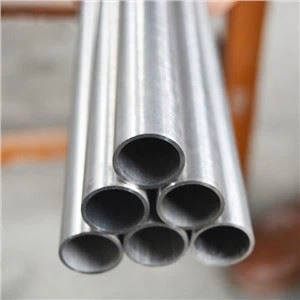
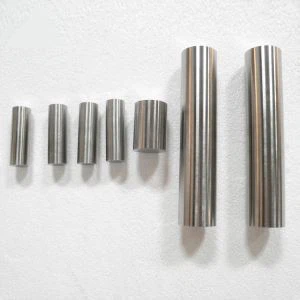
The first step in ensuring the long - term reliability of nickel flanges is to start with high - quality raw materials. Nickel comes in different grades, and each grade has its own unique properties. For instance, Nickel 200 Flanges are made from pure nickel, which offers excellent corrosion resistance in many environments.
When sourcing nickel for our flanges, we work closely with trusted suppliers. We conduct thorough inspections of the raw materials to ensure they meet our strict quality standards. This includes checking for impurities, proper chemical composition, and mechanical properties. Any material that doesn't meet our criteria is rejected right away. After all, if the raw material is sub - par, the final product won't be reliable, no matter how well it's manufactured.
2. Precision Manufacturing
Once we have the right raw materials, the next step is precision manufacturing. Nickel flanges need to be made with exacting specifications. Any deviation from the design can lead to problems down the line, such as leaks or structural failures.
We use state - of - the - art manufacturing equipment and techniques. For example, computer - numerical - control (CNC) machining allows us to create flanges with extremely accurate dimensions. This ensures a perfect fit when the flanges are installed in a system.
In addition to accurate dimensions, the surface finish of the flanges is also crucial. A smooth surface finish reduces the risk of corrosion and improves the sealing performance. We use advanced finishing processes to achieve the desired surface quality. And during the manufacturing process, we have multiple quality control checkpoints. Our quality control team inspects each flange at different stages to catch any potential issues early on.
3. Appropriate Heat Treatment
Heat treatment is another key factor in ensuring the long - term reliability of nickel flanges. Heat treatment can improve the mechanical properties of the nickel, such as hardness, strength, and ductility.
The type of heat treatment depends on the grade of nickel and the specific application of the flange. For example, some nickel alloys may require annealing to relieve internal stresses and improve their machinability. Others may need quenching and tempering to increase their strength.
We have a team of experienced metallurgists who determine the optimal heat treatment process for each type of flange. They closely monitor the heat treatment process to ensure that the flanges are heated and cooled at the right rates and temperatures. This helps to achieve the desired mechanical properties and enhances the overall reliability of the flanges.
4. Proper Coating and Surface Protection
Even high - quality nickel flanges can be susceptible to corrosion in certain environments. That's why proper coating and surface protection are essential.
There are different types of coatings available for nickel flanges. For example, epoxy coatings can provide a barrier against moisture and chemicals, preventing corrosion. Zinc - based coatings can also offer good corrosion protection, especially in outdoor or marine environments.
Before applying the coating, we make sure the surface of the flanges is properly prepared. This may involve cleaning, sandblasting, or other surface treatment methods to ensure good adhesion of the coating. And we apply the coating evenly and at the right thickness to ensure maximum protection.
5. Correct Installation
No matter how well - made and protected the nickel flanges are, if they're not installed correctly, their reliability will be compromised.
We provide detailed installation instructions to our customers. These instructions cover everything from the proper alignment of the flanges to the correct tightening torque of the bolts. It's important to follow these instructions carefully to ensure a leak - free and stable installation.
We also offer technical support to our customers during the installation process. Our team of experts can answer any questions and provide guidance to ensure that the flanges are installed correctly. After all, a proper installation is the foundation for the long - term reliability of the flanges.

6. Regular Inspection and Maintenance
Once the nickel flanges are installed, regular inspection and maintenance are necessary to ensure their long - term reliability.
Inspections should be carried out at regular intervals. This can include visual inspections to check for signs of corrosion, damage, or leaks. Non - destructive testing methods, such as ultrasonic testing or magnetic particle testing, can also be used to detect internal defects that may not be visible to the naked eye.
If any issues are detected during the inspection, they should be addressed immediately. This may involve repairing or replacing the flanges. Regular maintenance, such as cleaning and re - coating the flanges, can also help to extend their service life.
7. Compatibility with the System
Nickel flanges need to be compatible with the rest of the system in which they're installed. This includes compatibility with the pipes, gaskets, and other components.
For example, if the gaskets used with the flanges are not compatible with the nickel material, it can lead to chemical reactions that cause corrosion. We work closely with our customers to understand the entire system and recommend the most suitable flanges and associated components.
We also stay up - to - date with the latest industry standards and regulations to ensure that our flanges are compliant. This helps to ensure the overall safety and reliability of the system.
Conclusion
Ensuring the long - term reliability of nickel flanges is a multi - step process that starts with high - quality raw materials and continues through manufacturing, installation, and maintenance. By following these steps, we can provide our customers with nickel flanges that are reliable and durable.
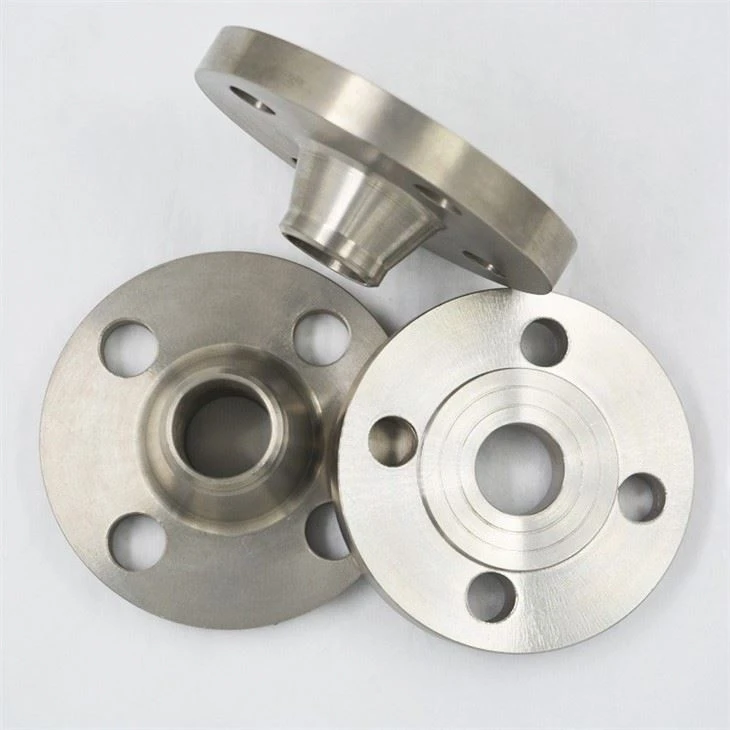
If you're in the market for Nickel Slip On Flange or Nickel Alloy Flanges, or any other type of nickel flanges, we're here to help. Our team of experts can work with you to understand your specific requirements and provide you with the best solutions. Whether it's a small - scale project or a large - scale industrial application, we have the expertise and resources to meet your needs. Don't hesitate to reach out to us to discuss your procurement requirements. We look forward to working with you!
References
- ASME B16.5 - Pipe Flanges and Flanged Fittings
- ASTM Standards for Nickel and Nickel Alloys
- NACE International - Corrosion Control Standards