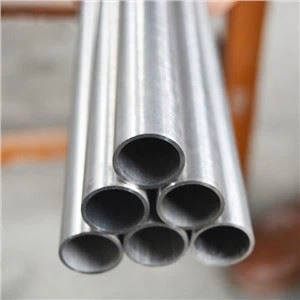
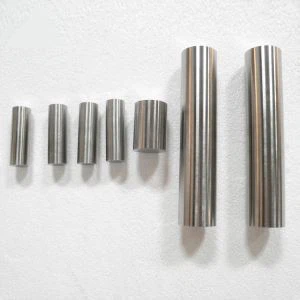
Welding thin-walled titanium materials can be a tricky task, but with the right know-how and tools, it's definitely doable. As a supplier of high-quality titanium materials, I've seen firsthand the challenges and rewards of working with this amazing metal. In this blog post, I'll share some tips and techniques on how to weld thin-walled titanium materials successfully.
Why Weld Thin-Walled Titanium?
Titanium is a popular choice for many applications because of its excellent properties. It's lightweight, strong, corrosion-resistant, and biocompatible, making it ideal for use in aerospace, medical, automotive, and other industries. Thin-walled titanium components are often used in these applications to reduce weight and improve efficiency.
However, welding thin-walled titanium materials can be challenging due to their high reactivity with oxygen, nitrogen, and hydrogen at elevated temperatures. These elements can cause embrittlement, porosity, and other defects in the weld, which can compromise the integrity of the component. Therefore, it's essential to take special precautions when welding thin-walled titanium materials to ensure a high-quality weld.
Preparing the Titanium Materials
The first step in welding thin-walled titanium materials is to prepare the materials properly. This includes cleaning the surfaces to be welded to remove any dirt, grease, oil, or other contaminants. Contaminants can react with the titanium during welding and cause defects in the weld.
To clean the titanium surfaces, you can use a solvent such as acetone or isopropyl alcohol. Apply the solvent to a clean cloth and wipe the surfaces to be welded. Be sure to wear gloves to prevent oil from your hands from contaminating the surfaces.
After cleaning the surfaces, you may need to perform a surface treatment to remove any oxide layer on the titanium. The oxide layer can also interfere with the welding process and cause defects in the weld. One common surface treatment method is to use a chemical etchant such as hydrofluoric acid or a mechanical method such as sandblasting or wire brushing.
Choosing the Right Welding Method
There are several welding methods available for welding thin-walled titanium materials, including gas tungsten arc welding (GTAW), gas metal arc welding (GMAW), and laser welding. Each method has its advantages and disadvantages, and the choice of method depends on several factors such as the thickness of the materials, the joint design, the required weld quality, and the production volume.
- Gas Tungsten Arc Welding (GTAW): GTAW, also known as TIG (tungsten inert gas) welding, is a popular method for welding thin-walled titanium materials. It uses a non-consumable tungsten electrode to create an arc between the electrode and the workpiece. The arc melts the base metal and a filler metal, if needed, to form the weld. GTAW provides excellent control over the welding process and produces high-quality welds with minimal distortion.
- Gas Metal Arc Welding (GMAW): GMAW, also known as MIG (metal inert gas) welding, is another method for welding thin-walled titanium materials. It uses a consumable wire electrode that is fed through a welding gun. The arc is created between the electrode and the workpiece, and the filler metal is melted to form the weld. GMAW is faster than GTAW but may require more skill to produce high-quality welds.
- Laser Welding: Laser welding is a high-energy welding method that uses a laser beam to melt the base metal and form the weld. It offers several advantages over traditional welding methods, including high precision, low heat input, and minimal distortion. Laser welding is ideal for welding thin-walled titanium materials with complex geometries.
Setting Up the Welding Equipment
Once you've chosen the right welding method, it's time to set up the welding equipment. This includes selecting the appropriate welding machine, electrode, filler metal, shielding gas, and other accessories.
- Welding Machine: Make sure your welding machine is suitable for welding titanium materials. It should have the ability to control the welding current, voltage, and arc length accurately.
- Electrode: For GTAW, choose a tungsten electrode with a suitable diameter and composition. The most common tungsten electrodes for welding titanium are 2% thoriated tungsten (EWTh-2) and 2% ceriated tungsten (EWCe-2).
- Filler Metal: If you need to use a filler metal, choose a filler metal that is compatible with the titanium alloy you are welding. The filler metal should have similar chemical composition and mechanical properties to the base metal.
- Shielding Gas: Titanium is highly reactive with oxygen, nitrogen, and hydrogen at elevated temperatures. Therefore, it's essential to use a shielding gas to protect the weld pool from these elements. The most common shielding gas for welding titanium is argon. You can also use a mixture of argon and helium for some applications.
- Other Accessories: You may also need other accessories such as a welding torch, gas regulator, flow meter, and welding gloves.
Welding Techniques
When welding thin-walled titanium materials, it's important to use the right welding techniques to ensure a high-quality weld. Here are some tips:
- Maintain Proper Arc Length: The arc length is the distance between the electrode and the workpiece. Maintaining a proper arc length is crucial for producing a stable arc and a high-quality weld. For GTAW, the arc length should be about 1-2 mm.
- Use a Slow Welding Speed: Welding thin-walled titanium materials requires a slow welding speed to prevent overheating and distortion. A slow welding speed also allows the weld pool to cool slowly, which helps to reduce the risk of defects such as porosity and cracking.
- Control the Heat Input: Controlling the heat input is essential for welding thin-walled titanium materials. Too much heat can cause the materials to warp or melt, while too little heat can result in a poor-quality weld. Use a welding machine with adjustable current and voltage settings to control the heat input.
- Use a Backing Gas: Using a backing gas can help to protect the backside of the weld from oxidation and other contaminants. The backing gas should be the same as the shielding gas used on the front side of the weld.
Post-Welding Inspection and Treatment
After welding thin-walled titanium materials, it's important to perform a post-welding inspection to ensure the quality of the weld. This includes checking for defects such as porosity, cracking, and lack of fusion. You can use non-destructive testing methods such as ultrasonic testing, radiographic testing, or dye penetrant testing to detect these defects.
If any defects are found, you may need to repair the weld using the same welding method or a different method. After repairing the weld, you should perform another post-welding inspection to ensure the quality of the repair.
In some cases, you may need to perform a post-welding treatment to improve the properties of the weld. This includes heat treatment, stress relieving, or surface finishing. The type of post-welding treatment depends on the application and the requirements of the component.
Conclusion
Welding thin-walled titanium materials requires careful preparation, the right welding method, proper equipment setup, and the use of appropriate welding techniques. By following these tips and techniques, you can produce high-quality welds that meet the requirements of your application.


As a supplier of high-quality titanium materials, we offer a wide range of products, including Gr9 Titanium Tubes For Titanium Bicycle Frame Titanium Pipe, Temperature Titanium Ball Valve Manual/Pneumatic/Electric Actuation ASME B16.34 Design Standard, and Titanium Alloy Sheet With Polished Surface. If you have any questions or need help with welding thin-walled titanium materials, please feel free to contact us. We're here to help you with your titanium material needs and can assist in discussing the best solutions for your projects. Let's start a procurement conversation today!
References
- AWS Welding Handbook, Vol. 2: Welding Processes.
- ASM Handbook, Vol. 6: Welding, Brazing, and Soldering.
- Titanium: A Technical Guide, by Don Eylon.