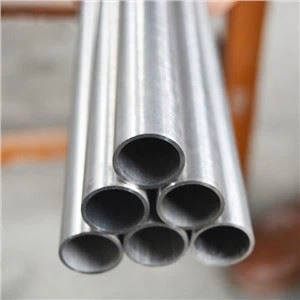
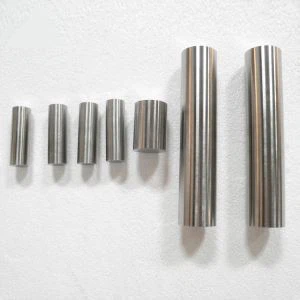
Hey there! As a titanium bar supplier, I often get asked about how to anneal a titanium bar. Annealing is a super important process that can make your titanium bar perform better, so I'm stoked to share all the details with you.
What is Annealing?
First things first, let's talk about what annealing is. Annealing is a heat treatment process. Basically, you heat up the metal and then cool it down at a specific rate. This helps to relieve internal stresses, improve ductility, and make the metal more workable. For titanium bars, annealing can also enhance its corrosion resistance and mechanical properties.


Why Anneal a Titanium Bar?
There are a bunch of reasons why you'd want to anneal a titanium bar. If the bar has gone through a lot of cold working, like rolling or forging, it can develop internal stresses. These stresses can make the bar brittle and prone to cracking. Annealing helps to relax those stresses and make the bar more stable.
Also, if you need to machine the titanium bar, annealing can make the process a whole lot easier. A properly annealed titanium bar will be softer and more malleable, which means less wear and tear on your machining tools.
Preparing for Annealing
Before you start the annealing process, there are a few things you need to do. First, clean the titanium bar thoroughly. Any dirt, grease, or other contaminants on the surface can cause problems during annealing. You can use a mild solvent to clean the bar and then dry it completely.
Next, you need to measure the dimensions of the bar accurately. This is important because the heating and cooling rates can vary depending on the size and shape of the bar. You don't want to overheat or underheat the bar, as that can affect the annealing results.
The Annealing Process
Now, let's get into the nitty - gritty of the annealing process. The exact steps can vary depending on the grade of titanium. For example, Titanium Bar Grade 5 has different annealing requirements compared to other grades.
Heating
The first step is to heat the titanium bar up to the appropriate annealing temperature. This temperature can range from about 700°C to 950°C, depending on the grade. You need to use a high - quality furnace that can maintain a stable temperature. Slowly increase the temperature of the furnace at a rate of about 100°C per hour. This slow heating helps to ensure that the entire bar heats up evenly.
Once the furnace reaches the target annealing temperature, hold the bar at that temperature for a certain period of time. This is called the soaking time. The soaking time depends on the thickness and diameter of the bar. Generally, for every 25 mm of thickness, you'll need to soak the bar for about 1 hour.
Cooling
After the soaking time is up, it's time to cool the bar down. The cooling rate is crucial for getting the right properties in the titanium bar. There are different ways to cool the bar, and the choice depends on the desired outcome.
One common method is furnace cooling. This means you simply turn off the furnace and let the bar cool down inside it. Furnace cooling is a slow process, and it allows the metal to cool evenly and develop a fine - grained structure. This is great for improving ductility and reducing internal stresses.
Another option is air cooling. You take the bar out of the furnace and let it cool in the air. Air cooling is faster than furnace cooling, and it can result in a slightly harder and stronger titanium bar. However, if you cool the bar too quickly, it can develop new internal stresses.
Post - Annealing Treatment
Once the titanium bar has cooled down, there are a few things you might want to do. First, you should inspect the bar for any signs of cracking or other defects. If you find any issues, they might need to be addressed before the bar can be used.
You might also want to perform some mechanical testing on the bar to make sure it has the desired properties. This can include hardness testing, tensile testing, and ductility testing.
If the bar needs to be further processed, like machining or welding, it's important to clean the surface again to remove any oxides or scale that formed during the annealing process.
Different Types of Titanium Bars and Annealing
We supply different types of titanium bars, and each type might have slightly different annealing needs. For example, Titanium Hex Bar has a unique shape, and the annealing process needs to take this into account. The heat might not distribute as evenly as it would in a round bar, so you might need to adjust the heating and soaking times.
Our Gr9 Ti - 3Al - 2.5V Titanium Bar Titanium Round Rod is a high - performance alloy. It's often used in aerospace and medical applications, so the annealing process needs to be very precise to ensure its excellent mechanical properties and corrosion resistance.
Tips for Successful Annealing
- Control the Atmosphere: Titanium can react with oxygen and nitrogen at high temperatures. To prevent this, you can use an inert gas atmosphere, like argon, inside the furnace. This helps to keep the surface of the bar clean and free from oxidation.
- Use the Right Furnace: Invest in a good-quality furnace that can accurately control the temperature and heating rate. A cheap furnace might not be able to maintain a stable temperature, which can lead to inconsistent annealing results.
- Keep Records: Keep detailed records of the annealing process, including the heating and cooling rates, soaking times, and any other relevant information. This can help you troubleshoot problems and improve the process in the future.
Conclusion
Annealing a titanium bar is a complex but really important process. By following the right steps and paying attention to the details, you can get a titanium bar with excellent properties. Whether you're using the bar for industrial applications, aerospace, or medical devices, annealing can make a big difference in its performance.
If you're in the market for high - quality titanium bars, we're here to help. We have a wide range of grades and types available, and we can provide you with all the technical support you need. If you're interested in learning more or want to discuss your specific requirements for purchasing titanium bars, feel free to get in touch and start a procurement negotiation.
References
- "Titanium: A Technical Guide" by Dave A. Koss
- "ASM Handbook, Volume 4: Heat Treating" by ASM International