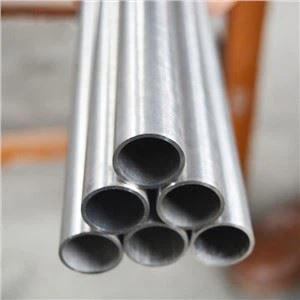
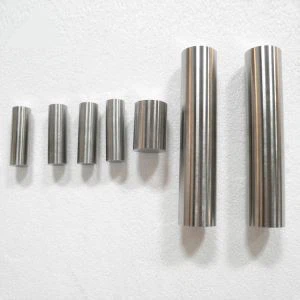
As a supplier of nickel bars, I understand the critical importance of maintaining the quality of these products over time. Nickel bars are widely used in various industries, including aerospace, electronics, and chemical processing, due to their excellent corrosion resistance, high-temperature strength, and good electrical conductivity. Ensuring the long-term quality of nickel bars not only meets customer expectations but also contributes to the overall success of our business. In this blog post, I will share some key strategies and best practices for maintaining the quality of nickel bars throughout their lifecycle.
Understanding the Properties of Nickel Bars
Before delving into the maintenance strategies, it is essential to have a basic understanding of the properties of nickel bars. Nickel is a silvery-white metal that is highly resistant to corrosion, especially in acidic and alkaline environments. It has a high melting point of 1455°C (2651°F) and a density of 8.908 g/cm³. Nickel bars are typically produced through a process called casting, which involves melting nickel and pouring it into a mold to form the desired shape.
The quality of nickel bars is determined by several factors, including the purity of the nickel, the manufacturing process, and the storage and handling conditions. High-purity nickel bars, typically containing 99.9% or more nickel, offer superior corrosion resistance and mechanical properties compared to lower-purity bars. The manufacturing process also plays a crucial role in determining the quality of nickel bars. For example, bars that are produced using advanced casting techniques and undergo rigorous quality control measures are more likely to have consistent properties and fewer defects.
Storage and Handling
Proper storage and handling are essential for maintaining the quality of nickel bars over time. Nickel bars should be stored in a dry, well-ventilated area to prevent corrosion and oxidation. They should be protected from direct contact with moisture, chemicals, and other corrosive substances. It is also important to store nickel bars away from sources of heat and direct sunlight, as these can cause the bars to expand and contract, leading to cracking and other defects.
When handling nickel bars, it is important to use appropriate protective equipment, such as gloves and safety glasses, to prevent skin contact and eye injuries. Nickel bars should be lifted and moved using proper lifting equipment, such as cranes or forklifts, to avoid damage to the bars or injury to the operators. It is also important to avoid dropping or banging the bars, as this can cause them to crack or deform.
Surface Protection
Another important strategy for maintaining the quality of nickel bars over time is to apply a surface protection coating. A surface protection coating can help to prevent corrosion, oxidation, and other forms of damage to the surface of the bars. There are several types of surface protection coatings available, including paint, powder coating, and electroplating.


Paint is a common surface protection coating for nickel bars. It is relatively inexpensive and easy to apply, and it provides good protection against corrosion and oxidation. However, paint coatings can be scratched or damaged during handling and use, which can reduce their effectiveness. Powder coating is another option for surface protection. It is a more durable and long-lasting coating than paint, and it provides better protection against abrasion and impact. Electroplating is a more advanced surface protection technique that involves depositing a thin layer of metal, such as chromium or nickel, onto the surface of the bars. Electroplating provides excellent protection against corrosion and oxidation, and it can also improve the appearance of the bars.
Quality Control
Implementing a comprehensive quality control program is essential for maintaining the quality of nickel bars over time. A quality control program should include regular inspections and testing of the bars to ensure that they meet the required specifications and standards. Inspections should be conducted at various stages of the manufacturing process, including raw material inspection, in-process inspection, and final inspection.
Testing should be conducted to evaluate the mechanical properties, chemical composition, and corrosion resistance of the bars. Mechanical testing can include tensile testing, hardness testing, and impact testing. Chemical analysis can be used to determine the purity of the nickel and the presence of any impurities. Corrosion testing can be used to evaluate the resistance of the bars to various types of corrosion, such as pitting corrosion, crevice corrosion, and stress corrosion cracking.
Monitoring and Maintenance
In addition to implementing a quality control program, it is important to monitor the condition of the nickel bars over time and perform regular maintenance as needed. Monitoring can include visual inspections, non-destructive testing, and corrosion monitoring. Visual inspections can be used to detect any visible signs of damage or corrosion, such as cracks, pits, or rust. Non-destructive testing techniques, such as ultrasonic testing or magnetic particle testing, can be used to detect internal defects or flaws in the bars. Corrosion monitoring can be used to measure the rate of corrosion and to identify any areas of the bars that are at risk of corrosion.
Regular maintenance can include cleaning, lubrication, and repair. Cleaning can be used to remove any dirt, debris, or corrosion products from the surface of the bars. Lubrication can be used to reduce friction and wear between the bars and other components. Repair can be used to fix any damage or defects that are detected during the monitoring process.
Conclusion
Maintaining the quality of nickel bars over time is essential for ensuring their long-term performance and reliability. By understanding the properties of nickel bars, implementing proper storage and handling practices, applying a surface protection coating, implementing a comprehensive quality control program, and monitoring and maintaining the bars regularly, we can ensure that our nickel bars meet the highest standards of quality and performance.
If you are interested in purchasing high-quality nickel bars, please feel free to contact us. We are a leading supplier of nickel bars and other nickel materials, and we are committed to providing our customers with the best products and services. You can also visit our website to learn more about our Nickel Rod products and other offerings.
References
- ASM Handbook, Volume 2: Properties and Selection: Nonferrous Alloys and Special-Purpose Materials.
- Corrosion Resistance of Nickel and Nickel Alloys, by George E. Totten and M. A. O’Keefe.
- Nickel: Properties, Processing, and Applications, by J. F. Elliott and M. Gleiser.