As a supplier of titanium jigs, I often get asked about the suitability of our products for the marine industry. The marine environment is a harsh one, characterized by high salinity, strong currents, and extreme temperatures. These conditions can pose significant challenges to the materials used in marine applications. In this blog post, I will explore whether titanium jigs can be effectively used in the marine industry, highlighting their advantages and potential applications.
Properties of Titanium Jigs
Titanium is a remarkable metal known for its exceptional properties. It has a high strength-to-weight ratio, which means it can withstand heavy loads while remaining relatively lightweight. This is a crucial advantage in the marine industry, where weight reduction is often a key consideration to improve fuel efficiency and maneuverability.
Another important property of titanium is its excellent corrosion resistance. In a marine environment, where exposure to saltwater can cause rapid corrosion of many metals, titanium's resistance to corrosion makes it an ideal choice. Titanium forms a passive oxide layer on its surface, which protects it from further oxidation and corrosion. This oxide layer is self-healing, meaning that if it is damaged, it will quickly reform to continue protecting the metal.
Titanium also has good fatigue resistance, which is important in applications where the material is subjected to repeated stress and loading. In the marine industry, components such as ship hulls, propellers, and offshore structures are constantly exposed to dynamic forces, and materials with high fatigue resistance are essential to ensure long-term reliability.
Advantages of Using Titanium Jigs in the Marine Industry
Corrosion Resistance
As mentioned earlier, the corrosion resistance of titanium is one of its most significant advantages in the marine industry. Saltwater is highly corrosive, and traditional metals such as steel and aluminum can quickly deteriorate in this environment. Titanium jigs, on the other hand, can withstand the corrosive effects of saltwater for extended periods, reducing the need for frequent maintenance and replacement. This not only saves costs but also improves the overall reliability and safety of marine equipment.
Weight Reduction
The high strength-to-weight ratio of titanium makes it an attractive option for applications where weight reduction is important. In the marine industry, reducing the weight of components can lead to improved fuel efficiency, increased payload capacity, and better maneuverability. Titanium jigs can be used to replace heavier metal jigs, resulting in significant weight savings without sacrificing strength or performance.
High Temperature Resistance
Titanium has a relatively high melting point and can maintain its strength and integrity at elevated temperatures. In some marine applications, such as engine components and exhaust systems, high temperatures are generated, and materials that can withstand these temperatures are required. Titanium jigs can be used in these applications to ensure reliable operation under high-temperature conditions.
Biocompatibility
Titanium is biocompatible, which means it is not toxic to living organisms. This property makes it suitable for use in marine applications where contact with marine life is possible, such as in underwater structures and aquaculture equipment. Titanium jigs can be used in these applications without causing harm to the environment or marine life.
Potential Applications of Titanium Jigs in the Marine Industry
Electroplating and Coating
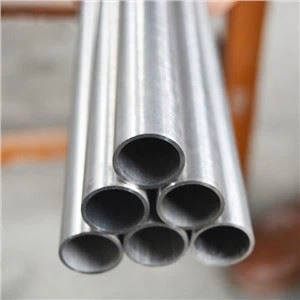
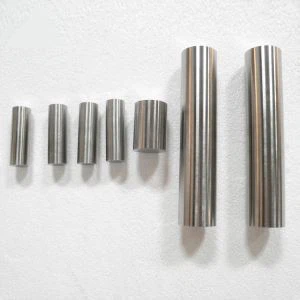
Titanium jigs are commonly used in electroplating and coating processes. In the marine industry, electroplating and coating are used to protect metal components from corrosion and improve their surface properties. Pure Titanium Jig For Electroplating can be used to hold the parts during the electroplating or coating process, ensuring uniform deposition of the coating and preventing damage to the parts. The corrosion resistance of titanium makes it an ideal material for these jigs, as they can withstand the harsh chemicals used in the electroplating and coating processes.


Shipbuilding
In shipbuilding, titanium jigs can be used in various applications, such as holding and positioning components during assembly. The high strength and corrosion resistance of titanium make it suitable for use in the construction of ship hulls, decks, and other structural components. Titanium jigs can also be used in the manufacturing of ship propellers, where their lightweight and high strength properties can improve the performance and efficiency of the propellers.
Offshore Oil and Gas
The offshore oil and gas industry operates in a harsh marine environment, where corrosion and fatigue are major concerns. Titanium jigs can be used in the production and maintenance of offshore oil and gas platforms. They can be used to hold and support pipes, valves, and other equipment during installation and repair. The corrosion resistance of titanium makes it an ideal material for these jigs, as they can withstand the corrosive effects of seawater and the harsh chemicals used in the oil and gas industry.
Underwater Exploration and Research
In underwater exploration and research, titanium jigs can be used to hold and support scientific equipment, such as sensors, cameras, and sampling devices. The biocompatibility of titanium makes it suitable for use in these applications, as it does not pose a threat to the marine environment or the organisms being studied. The high strength and corrosion resistance of titanium also make it suitable for use in the construction of underwater vehicles and structures.
Challenges and Considerations
While titanium jigs offer many advantages in the marine industry, there are also some challenges and considerations that need to be taken into account.
Cost
Titanium is generally more expensive than traditional metals such as steel and aluminum. The higher cost of titanium can be a significant barrier to its widespread use in the marine industry. However, the long-term benefits of using titanium jigs, such as reduced maintenance and replacement costs, can offset the initial higher cost.
Machining Difficulty
Titanium is a difficult material to machine, requiring specialized equipment and techniques. This can increase the manufacturing cost and lead time of titanium jigs. However, with advances in machining technology, the machining of titanium has become more efficient and cost-effective.
Joining and Welding
Joining and welding titanium can be challenging, as it requires special techniques and equipment to ensure a strong and reliable joint. The high reactivity of titanium with oxygen and nitrogen at high temperatures can lead to the formation of brittle compounds if the welding process is not properly controlled. However, with proper training and experience, it is possible to achieve high-quality welds in titanium.
Conclusion
In conclusion, titanium jigs can be effectively used in the marine industry due to their excellent corrosion resistance, high strength-to-weight ratio, high temperature resistance, and biocompatibility. They offer many advantages over traditional metal jigs, including reduced maintenance and replacement costs, improved fuel efficiency, and better performance. While there are some challenges and considerations associated with the use of titanium jigs, such as cost, machining difficulty, and joining and welding challenges, these can be overcome with proper planning and the use of appropriate technology.
If you are interested in using titanium jigs in your marine applications, I encourage you to contact me to discuss your specific requirements. I can provide you with more information about our products and help you determine the best solution for your needs. Let's work together to explore the potential of titanium jigs in the marine industry and find the right solution for your projects.
References
- ASM Handbook, Volume 2: Properties and Selection: Nonferrous Alloys and Special-Purpose Materials, ASM International
- Titanium: A Technical Guide, Second Edition, John R. Davis, ASM International
- Marine Corrosion: Causes, Prevention, and Repair, John D. Hunt, Elsevier