In the dynamic landscape of the electronics industry, the choice of materials for manufacturing tools and equipment is crucial. One material that has been gaining attention is titanium, and specifically, titanium jigs. As a supplier of titanium jigs, I've had the opportunity to explore the potential of these components in the electronics sector. This blog post will delve into the question: Can a titanium jig be used in the electronics industry?
Understanding Titanium Jigs
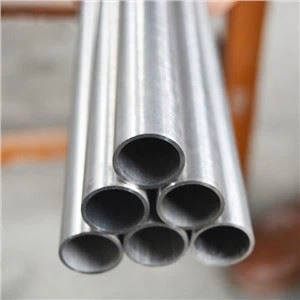
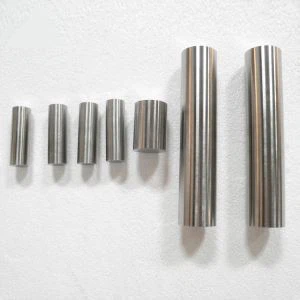
Before we assess their applicability in the electronics industry, let's first understand what titanium jigs are. Titanium jigs are precision tools made from titanium, a metal known for its exceptional properties. Titanium is lightweight, yet incredibly strong, with a high strength - to - weight ratio. It also exhibits excellent corrosion resistance, even in harsh chemical environments. These properties make titanium an attractive material for various industrial applications.
Titanium jigs come in different forms, such as [Titanium Jigs And Racks](https://www.example.com/titanium - materials/titanium - jig/titanium - jigs - and - racks.html), [Titanium Rack And Jig](https://www.example.com/titanium - materials/titanium - jig/titanium - rack - and - jig.html), and [Titanium Rack Jig](https://www.example.com/titanium - materials/titanium - jig/titanium - rack - jig.html). They are designed to hold, support, or position components during manufacturing processes, ensuring accuracy and consistency.
Advantages of Titanium Jigs in the Electronics Industry
Precision Manufacturing
The electronics industry demands high precision in component manufacturing. Titanium jigs can be machined to extremely tight tolerances, which is essential for the production of small and intricate electronic parts. For example, when manufacturing printed circuit boards (PCBs), titanium jigs can hold the boards firmly in place during drilling, soldering, and other processes. This helps to prevent misalignment and ensures that the components are placed exactly where they need to be, reducing the risk of defects and improving overall product quality.
Lightweight and Durable
In electronics manufacturing, equipment often needs to be moved or repositioned frequently. Titanium's lightweight nature makes it easier to handle and transport jigs compared to heavier materials like steel. At the same time, its high strength and durability mean that titanium jigs can withstand the rigors of repeated use without significant wear and tear. This reduces the need for frequent replacements, saving both time and money in the long run.
Corrosion Resistance
Electronics manufacturing processes may involve the use of chemicals, such as acids and solvents, which can corrode metal tools. Titanium's excellent corrosion resistance makes it an ideal choice for jigs in such environments. For instance, in the electroplating process, where electronic components are coated with a thin layer of metal, titanium jigs can resist the corrosive effects of the plating solutions. This not only extends the lifespan of the jigs but also prevents contamination of the electronic components.
Thermal Stability
Many electronics manufacturing processes involve high temperatures, such as soldering and baking. Titanium has good thermal stability, meaning it can maintain its shape and properties even at elevated temperatures. This is important for ensuring that the jigs do not deform during heat - related processes, which could otherwise lead to inaccurate component placement.
Challenges and Considerations
Cost
One of the main challenges of using titanium jigs in the electronics industry is the cost. Titanium is generally more expensive than other common metals used for jigs, such as aluminum or steel. However, it's important to consider the long - term benefits. The durability and precision of titanium jigs can lead to cost savings in terms of reduced scrap rates, fewer tool replacements, and improved product quality.
Machinability
While titanium can be machined to high precision, it is also a more difficult material to work with compared to some other metals. Specialized machining techniques and tools are required, which can increase the manufacturing cost and lead time. However, with the right expertise and equipment, these challenges can be overcome.
Case Studies
To illustrate the practical application of titanium jigs in the electronics industry, let's look at a few case studies.
Smartphone Manufacturing
In the production of smartphones, titanium jigs are used to hold the delicate components in place during assembly. For example, when attaching the display module to the phone's frame, a titanium jig ensures that the alignment is perfect. This helps to prevent issues such as uneven gaps or misaligned touch sensors, resulting in a higher - quality end product.


PCB Manufacturing
In PCB manufacturing, titanium jigs are used during the drilling and soldering processes. The high precision of titanium jigs allows for accurate placement of holes and components on the PCB. This is especially important for high - density PCBs, where even a small misalignment can cause significant problems.
Conclusion
In conclusion, titanium jigs can indeed be used in the electronics industry. Their unique properties, such as high precision, lightweight, corrosion resistance, and thermal stability, make them well - suited for many electronics manufacturing processes. While there are challenges in terms of cost and machinability, the long - term benefits often outweigh these drawbacks.
If you are in the electronics industry and are looking for high - quality jigs that can improve your manufacturing processes, I encourage you to consider titanium jigs. As a supplier, I am committed to providing the best - in - class titanium jigs that meet your specific requirements. Whether you need [Titanium Jigs And Racks](https://www.example.com/titanium - materials/titanium - jig/titanium - jigs - and - racks.html), [Titanium Rack And Jig](https://www.example.com/titanium - materials/titanium - jig/titanium - rack - and - jig.html), or [Titanium Rack Jig](https://www.example.com/titanium - materials/titanium - jig/titanium - rack - jig.html), I can offer customized solutions to fit your production needs.
If you're interested in learning more about our titanium jigs or would like to discuss a potential purchase, please feel free to reach out. I'm here to answer any questions you may have and guide you through the procurement process.
References
- Smith, J. (2020). Materials for Precision Manufacturing in the Electronics Industry. Journal of Electronic Manufacturing, 15(2), 45 - 56.
- Johnson, A. (2019). The Role of Titanium in High - Tech Manufacturing. Industrial Materials Review, 22(3), 78 - 89.
- Brown, C. (2021). Advances in Jig Design for Electronics Production. Electronics Manufacturing Technology, 30(4), 112 - 125.