As a supplier of nickel bars, I often encounter inquiries from clients about the existence of different grades of nickel bars. This topic is not only relevant to the technical aspects of the product but also has a significant impact on various industries that rely on nickel bars for their operations. In this blog post, I will delve into the world of nickel bars, exploring whether there are indeed different grades and what these grades mean for different applications.
Understanding Nickel Bars
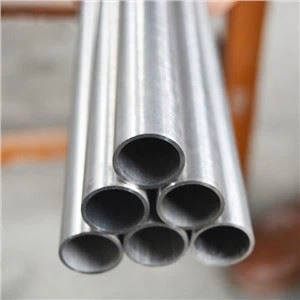
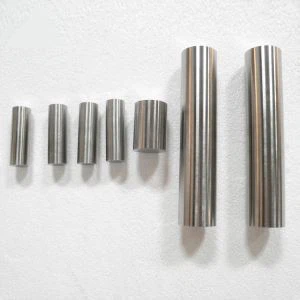
Before we discuss grades, it's important to understand what nickel bars are. Nickel bars are solid, elongated pieces of nickel metal. They are widely used in industries such as aerospace, electronics, and chemical processing due to nickel's excellent corrosion resistance, high-temperature strength, and magnetic properties. Nickel bars can be further processed into various shapes, including Nickel Rod, wires, and sheets, to meet specific industrial requirements.
Different Grades of Nickel Bars
Yes, there are different grades of nickel bars. These grades are primarily determined by the purity of the nickel and the presence of other alloying elements. Here are some of the most common grades:
Pure Nickel Bars
- Grade 200: This is one of the purest forms of commercially available nickel, with a minimum nickel content of 99.6%. It offers excellent corrosion resistance in a wide range of environments, including caustic alkalis and neutral salts. Grade 200 is often used in applications where high purity and corrosion resistance are critical, such as food processing equipment, chemical storage tanks, and electronic components.
- Grade 201: Similar to Grade 200, Grade 201 also has a high nickel content (minimum 99.6%). However, it has a lower carbon content, which makes it more suitable for applications that require welding and heat treatment. Grade 201 is commonly used in the production of chemical processing equipment, heat exchangers, and electrical conductors.
Nickel Alloy Bars
- Monel 400: This is a nickel-copper alloy that contains approximately 63% nickel and 28 - 34% copper. Monel 400 offers excellent corrosion resistance in seawater, hydrofluoric acid, and many other corrosive environments. It also has good mechanical properties at both room and elevated temperatures. Monel 400 is widely used in marine applications, such as shipbuilding, offshore oil and gas platforms, and desalination plants.
- Inconel 600: Inconel 600 is a nickel-chromium-iron alloy that contains approximately 72% nickel, 14 - 17% chromium, and 6 - 10% iron. It offers excellent resistance to oxidation, carburization, and corrosion in high-temperature environments. Inconel 600 is commonly used in applications such as heat-treating equipment, nuclear reactors, and chemical processing plants.
Factors Affecting the Grade Selection
When selecting the appropriate grade of nickel bar for a specific application, several factors need to be considered:
Corrosion Resistance
The environment in which the nickel bar will be used is a crucial factor in determining the grade. For example, if the bar will be exposed to seawater, a grade with high resistance to chloride-induced corrosion, such as Monel 400, would be a suitable choice. On the other hand, if the application involves contact with caustic alkalis, a pure nickel grade like Grade 200 would be more appropriate.
Temperature Requirements
The operating temperature of the application also plays a significant role in grade selection. Some grades, such as Inconel 600, are designed to maintain their mechanical properties and corrosion resistance at high temperatures. These grades are ideal for applications in heat-treating furnaces, power generation plants, and aerospace engines.
Mechanical Properties
The required mechanical properties, such as strength, hardness, and ductility, also influence the grade selection. For applications that require high strength, an alloy grade like Monel 400 or Inconel 600 may be preferred. For applications that require good ductility and formability, a pure nickel grade like Grade 200 or Grade 201 may be more suitable.
Quality Control in Nickel Bar Production
As a nickel bar supplier, quality control is of utmost importance. We implement strict quality control measures throughout the production process to ensure that our nickel bars meet the highest standards. Here are some of the key steps in our quality control process:
Raw Material Inspection
We carefully inspect all incoming raw materials to ensure their purity and quality. This includes analyzing the chemical composition of the nickel and any alloying elements to ensure they meet the specified requirements.
Manufacturing Process Control
During the manufacturing process, we closely monitor and control various parameters, such as temperature, pressure, and cooling rate, to ensure the consistent quality of the nickel bars. We also use advanced manufacturing techniques, such as hot rolling and cold drawing, to achieve the desired dimensions and surface finish.
Final Product Testing
Before the nickel bars are shipped to our customers, they undergo a series of final product tests. These tests include chemical analysis, mechanical testing, and non-destructive testing to ensure that the bars meet the specified requirements and standards.
Applications of Different Grades of Nickel Bars
The different grades of nickel bars find a wide range of applications in various industries:
Aerospace Industry
In the aerospace industry, nickel alloy bars, such as Inconel 600, are used in the production of engine components, such as turbine blades and combustion chambers. These grades offer excellent high-temperature strength and corrosion resistance, which are essential for the demanding operating conditions in aerospace engines.
Electronics Industry
Pure nickel bars, such as Grade 200, are commonly used in the electronics industry. They are used in the production of electronic components, such as connectors, switches, and resistors, due to their excellent electrical conductivity and corrosion resistance.
Chemical Processing Industry
Both pure nickel bars and nickel alloy bars are widely used in the chemical processing industry. Pure nickel bars are used in applications where high purity and corrosion resistance are critical, such as in the production of pharmaceutical and food products. Nickel alloy bars, such as Monel 400 and Inconel 600, are used in applications that involve contact with corrosive chemicals and high temperatures, such as in chemical reactors and heat exchangers.
Conclusion
In conclusion, there are indeed different grades of nickel bars, each with its own unique properties and applications. As a nickel bar supplier, we understand the importance of providing our customers with the right grade of nickel bar for their specific needs. Whether you need a pure nickel bar for its high purity and corrosion resistance or a nickel alloy bar for its excellent mechanical properties and high-temperature performance, we have the expertise and resources to meet your requirements.
If you are interested in purchasing nickel bars or have any questions about our products, please feel free to contact us. We look forward to discussing your needs and providing you with the best solutions for your applications.


References
- ASM Handbook, Volume 2: Properties and Selection: Nonferrous Alloys and Special-Purpose Materials
- Nickel Institute Technical Publications
- Corrosion Resistance of Nickel and Nickel Alloys, by George W. Heine