


The days before a holiday are an important checkpoint for any industrial purchasing project. For titanium flanges, early confirmation of technical and delivery requirements can help reduce delays and avoid repeated revisions after the holiday.
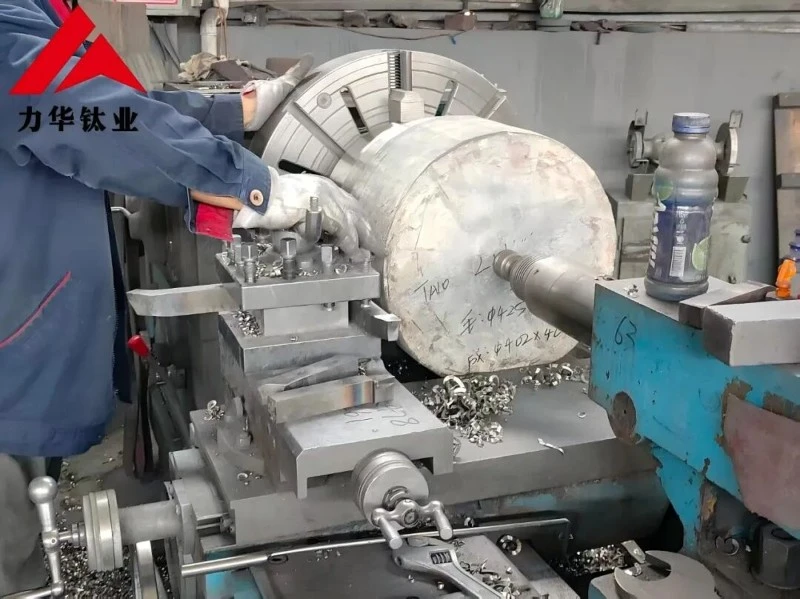
Titanium flanges are used in demanding applications such as chemical processing, petroleum, marine equipment, pharmaceuticals, and other systems exposed to corrosive media. Choosing the right product requires more than selecting a flange type. Buyers should confirm the material grade, standard, dimensions, connection form, sealing-face requirements, quantity, and inspection documents before production begins.
For example, a project may require a weld neck flange, blind flange, threaded flange, or a custom CNC-machined design. The drawing should clearly define the outside diameter, bore, thickness, bolt-hole arrangement, face finish, and dimensional tolerances. Material information should also be matched with the required standard and documentation, such as a material certificate or other inspection records.
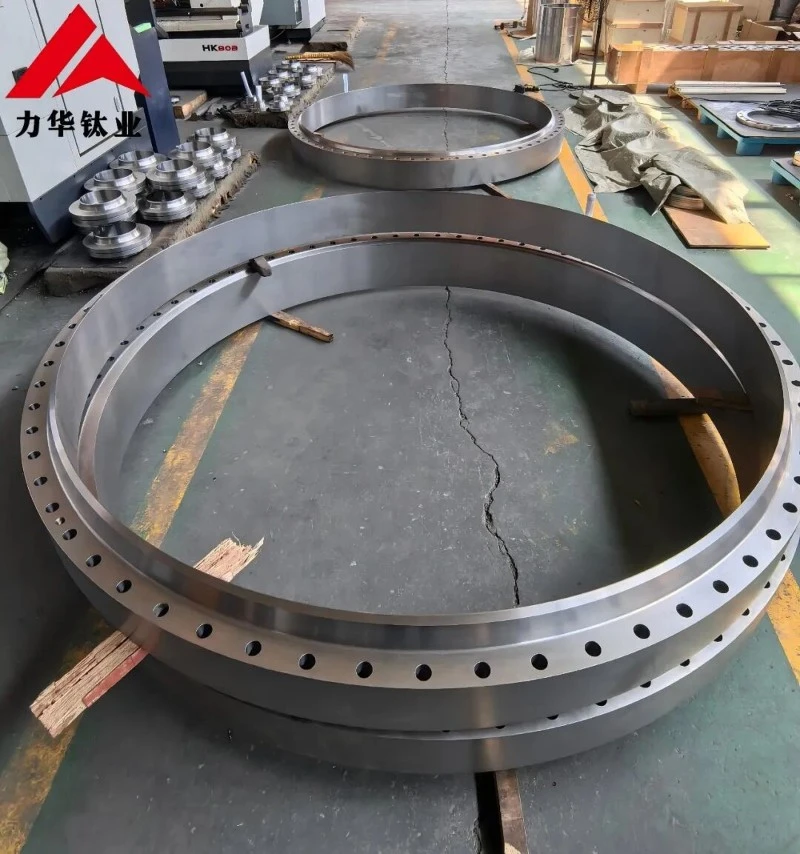
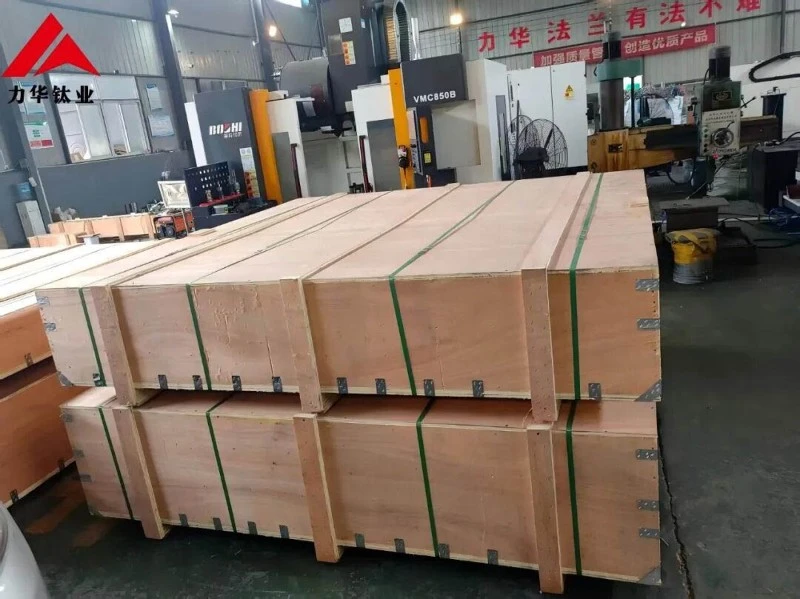
Large or non-standard titanium flanges require additional attention during machining, inspection, and packaging. Proper support and surface protection can help prevent damage to sealing faces, bores, and bolt holes during handling and export transportation. Packaging should be planned as part of the delivery process, not treated as an afterthought.
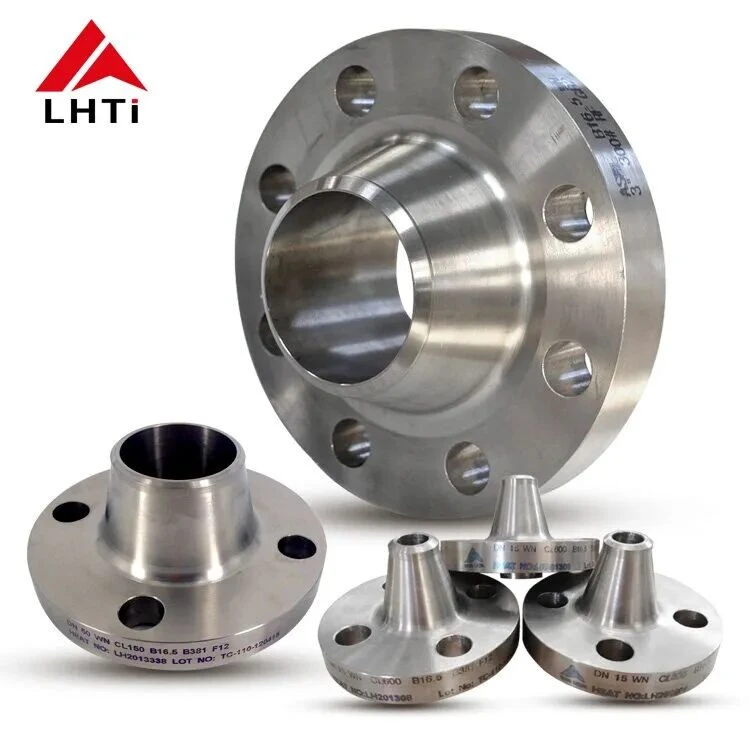
At Tibars, we support titanium flange projects with product options including forged, CNC-machined, weld neck, blind, threaded, and standard-based designs. To speed up technical evaluation, buyers can prepare the drawing, titanium grade, applicable standard, quantity, tolerance, inspection requirements, destination, and packaging instructions in advance.
A clear specification is the starting point for an efficient quotation and reliable delivery. Contact us with your project requirements, and our team will help confirm a suitable titanium flange solution.


