Titanium Valves: A Breakthrough for Offshore Oil & Gas Durability
The offshore oil and gas industry operates in one of the most demanding environments on Earth. The extreme conditions of saltwater, high pressures, and fluctuating temperatures create a relentless challenge for the equipment used on offshore platforms and rigs. Titanium valves, recently approved for use in these settings, have emerged as a groundbreaking solution, offering unmatched durability and longevity in the face of these harsh challenges.
Challenges of Offshore Oil & Gas Operations
Offshore drilling and production face a range of tough environmental conditions that strain the materials used in equipment. Saltwater and corrosive chemicals constantly degrade metals, while high-pressure systems and varying temperatures put additional strain on valves and critical components. Traditional materials like stainless steel and carbon steel are commonly used but suffer from corrosion, fatigue, and wear over time, requiring frequent maintenance and causing costly downtime.
Corrosion is one of the primary issues, as the saline and chloride-rich environment accelerates the degradation of metals. Valves, exposed to both seawater and chemicals, are especially vulnerable. Furthermore, high-pressure systems, common in offshore operations, demand that equipment withstand constant mechanical stress and extreme temperatures to maintain reliability and performance.
The Role of Titanium
Titanium has long been recognized for its exceptional properties, particularly its ability to resist corrosion and withstand extreme environments. This makes it an ideal choice for the offshore oil and gas industry. The major benefits of titanium include:
Outstanding Corrosion Resistance: Titanium naturally forms a protective oxide layer that shields it from corrosion. This is especially beneficial in offshore environments, where constant exposure to saltwater and chemicals can cause rapid deterioration in traditional materials.
Strength-to-Weight Ratio: Titanium is both lightweight and incredibly strong, offering a high strength-to-weight ratio. This is crucial for offshore applications where minimizing weight without compromising durability is a key concern.
Heat and Pressure Resistance: Titanium retains its strength and performance even in high-pressure and high-temperature environments. This makes it a perfect material for use in systems where such conditions are common.
Longer Service Life: Titanium's resistance to corrosion and wear results in extended equipment lifespan, reducing the need for replacements and lowering maintenance costs. This is especially critical for offshore platforms, where maintenance is both expensive and logistically difficult.
Titanium Valves: A New Standard in Offshore Applications
Titanium valves have recently received approval for use in various offshore oil and gas applications, signaling a major shift in the materials used for critical systems. Titanium valves are now recognized for their effectiveness in the following areas:
Wellhead Valves: These valves manage the flow of oil and gas from the well to the surface, often under extremely high pressure. Titanium's corrosion resistance and strength make it ideal for this critical application.
Subsea Valves: Subsea operations require valves that can withstand both the high-pressure environment of deep-sea drilling and the corrosive properties of seawater. Titanium's durability ensures reliable performance at great depths.
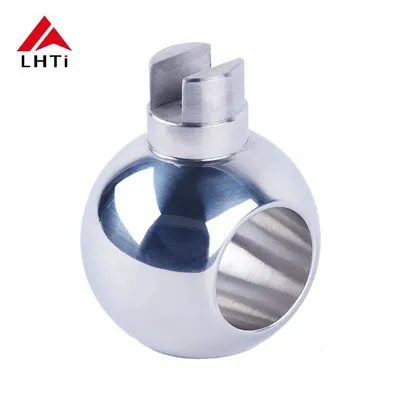
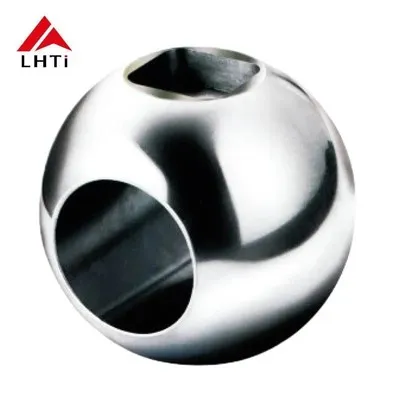
Ball and Gate Valves: These valves are used to control fluid flow in offshore drilling and production systems. Titanium's corrosion resistance extends the life of these valves in aggressive environments.
Control and Check Valves: Titanium is ideal for these types of valves, which regulate pressure and flow. Its resistance to corrosion and high temperatures guarantees consistent operation and enhances system integrity.
Key Advantages for Offshore Operations
Improved Reliability: Titanium valves drastically reduce the risk of failure caused by corrosion, fatigue, or wear. This increases the reliability of offshore operations, ensuring that critical systems continue to function as intended with minimal disruption.
Lower Maintenance Costs: The inherent durability of titanium leads to longer lifespans and fewer maintenance requirements. This reduces operational downtime and minimizes maintenance expenses, both of which are crucial for offshore operations where every moment of downtime is costly.
Enhanced Safety: Corrosion-related failures in valves can lead to dangerous leaks and spills. Titanium's superior resistance to corrosion significantly reduces the risk of these accidents, improving the overall safety of offshore operations.
Cost-Effectiveness Over Time: While titanium valves may come with a higher initial cost, their long lifespan and reduced need for maintenance make them a more cost-effective choice in the long term. The reduction in repair costs and downtime makes titanium a smart investment for offshore operations.
Environmental Benefits: Titanium's extended service life and reduced need for replacements help reduce waste and the environmental impact associated with the disposal of corroded materials. This contributes to more sustainable operations in the offshore industry.
The Future of Titanium in Offshore Oil & Gas
The offshore oil and gas industry continues to explore deeper and more remote locations, which further challenges the durability of materials. Titanium valves are expected to play an increasingly prominent role in addressing these challenges, as they offer exceptional performance in harsh environments. As titanium production becomes more cost-effective and accessible, its use in offshore applications is likely to expand.
The recent approval of titanium valves could pave the way for other titanium components to be used across offshore operations, further enhancing the overall durability and reliability of these systems. With growing demands for more resilient materials and increasing environmental concerns, titanium's role in offshore oil and gas operations is poised to grow.
Conclusion
Titanium valves represent a major breakthrough in offshore oil and gas operations, offering enhanced durability, performance, and safety in some of the world's most extreme conditions. Their ability to withstand corrosion, high pressures, and temperature fluctuations makes them an indispensable component in offshore systems. As the technology behind titanium valves advances, it is likely that they will become even more widespread, revolutionizing offshore operations and contributing to safer, more efficient, and cost-effective oil and gas exploration.