What is the typical thickness range of Gr5 Titanium Plate?
As a seasoned supplier of Gr5 Titanium Plate, I'm often asked about the typical thickness range of this remarkable material. Gr5 titanium, also known as Ti-6Al-4V, is one of the most widely used titanium alloys due to its excellent combination of high strength, good corrosion resistance, and low density. In this blog post, I'll delve into the typical thickness range of Gr5 Titanium Plate, its applications, and why choosing the right thickness matters.
Typical Thickness Range
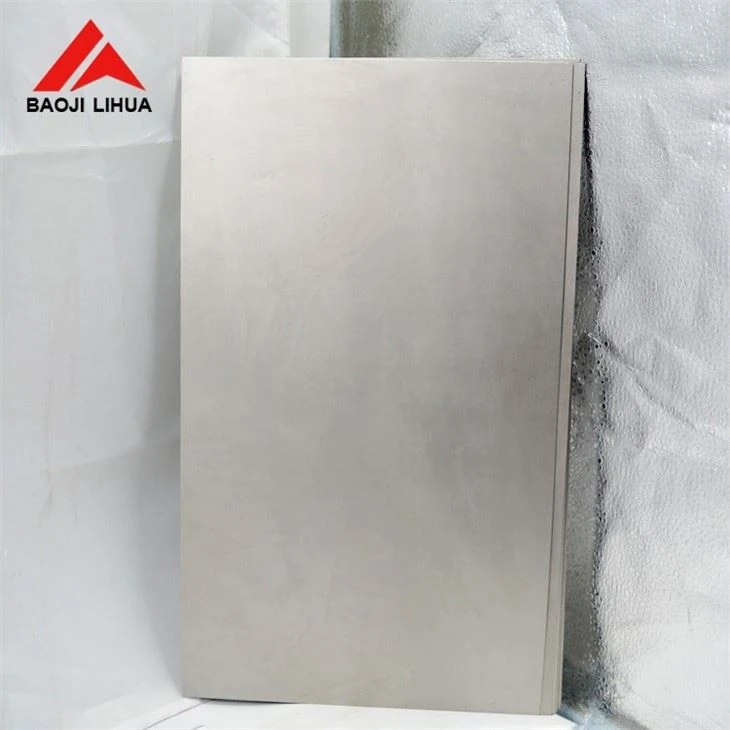
The typical thickness range of Gr5 Titanium Plate can vary significantly depending on the specific requirements of the application. Generally, Gr5 Titanium Plates are available in thicknesses ranging from as thin as 0.5 mm to as thick as 200 mm. However, the most commonly used thicknesses fall within the range of 1 mm to 50 mm.
For thin applications, such as aerospace components, medical devices, and electronics, Gr5 Titanium Plates with thicknesses between 0.5 mm and 3 mm are often preferred. These thin plates offer excellent strength-to-weight ratios, making them ideal for applications where weight reduction is critical. They can also be easily formed and machined into complex shapes, allowing for the creation of intricate parts.
In the medium thickness range, from 3 mm to 20 mm, Gr5 Titanium Plates find widespread use in a variety of industries, including automotive, marine, and chemical processing. These plates provide a good balance between strength and flexibility, making them suitable for applications that require both structural integrity and the ability to withstand moderate loads. They can be used for manufacturing engine components, heat exchangers, and pressure vessels.
For heavy-duty applications, such as military equipment, oil and gas exploration, and power generation, Gr5 Titanium Plates with thicknesses greater than 20 mm are typically employed. These thick plates offer exceptional strength and durability, making them capable of withstanding extreme conditions and heavy loads. They are often used for fabricating large structural components, such as ship hulls, offshore platforms, and nuclear reactor components.
Factors Affecting Thickness Selection
When selecting the appropriate thickness for a Gr5 Titanium Plate, several factors need to be considered. These factors include the specific application requirements, the mechanical properties of the material, the manufacturing process, and the cost.
The application requirements play a crucial role in determining the thickness of the plate. For example, in aerospace applications, where weight reduction is a top priority, thinner plates are often preferred. On the other hand, in applications where high strength and durability are required, thicker plates may be necessary.
The mechanical properties of the Gr5 Titanium Plate, such as its strength, hardness, and ductility, also influence the thickness selection. Thicker plates generally have higher strength and hardness, but they may be less ductile than thinner plates. Therefore, the specific mechanical properties required for the application need to be carefully considered when choosing the thickness.
The manufacturing process used to produce the Gr5 Titanium Plate can also affect the thickness selection. Some manufacturing processes, such as rolling and forging, are better suited for producing thinner plates, while others, such as casting and welding, are more suitable for thicker plates. The choice of manufacturing process will depend on the specific requirements of the application and the available resources.
Finally, the cost is an important factor to consider when selecting the thickness of the Gr5 Titanium Plate. Thicker plates generally cost more than thinner plates due to the higher material and manufacturing costs. Therefore, it's essential to balance the cost with the performance requirements to ensure that the selected thickness provides the best value for money.
Applications of Gr5 Titanium Plate
Gr5 Titanium Plate is used in a wide range of applications across various industries due to its exceptional properties. Here are some of the most common applications:
- Aerospace Industry: Gr5 Titanium Plate is widely used in the aerospace industry for manufacturing aircraft components, such as wings, fuselages, landing gears, and engine parts. Its high strength-to-weight ratio, excellent corrosion resistance, and good fatigue properties make it an ideal material for these applications.
- Medical Industry: In the medical industry, Gr5 Titanium Plate is used for manufacturing orthopedic implants, dental implants, and surgical instruments. Its biocompatibility, corrosion resistance, and low modulus of elasticity make it a popular choice for these applications.
- Automotive Industry: The automotive industry uses Gr5 Titanium Plate for manufacturing engine components, exhaust systems, and suspension parts. Its high strength, lightweight, and corrosion resistance help to improve the performance and fuel efficiency of vehicles.
- Marine Industry: Gr5 Titanium Plate is used in the marine industry for manufacturing ship hulls, offshore platforms, and desalination plants. Its excellent corrosion resistance in seawater makes it an ideal material for these applications.
- Chemical Processing Industry: In the chemical processing industry, Gr5 Titanium Plate is used for manufacturing heat exchangers, reactors, and storage tanks. Its corrosion resistance to a wide range of chemicals makes it a reliable material for these applications.
Conclusion
In conclusion, the typical thickness range of Gr5 Titanium Plate varies from 0.5 mm to 200 mm, with the most commonly used thicknesses falling between 1 mm and 50 mm. The selection of the appropriate thickness depends on several factors, including the application requirements, mechanical properties, manufacturing process, and cost. Gr5 Titanium Plate is used in a wide range of applications across various industries due to its exceptional properties, such as high strength, good corrosion resistance, and low density.

If you're in the market for Gr5 Titanium Plate or have any questions about its thickness range or applications, I encourage you to contact us for more information. We're a leading supplier of high-quality Gr5 Titanium Plate and can provide you with the best solutions for your specific needs. Whether you need a thin plate for aerospace applications or a thick plate for heavy-duty industrial use, we have the expertise and resources to meet your requirements.
References
- "Titanium Alloys: Properties, Processing, and Applications" by John C. Williams
- "Aerospace Materials and Processes" by Robert C. Reed-Hill and Robert Abbaschian
- "Medical Applications of Titanium" by David F. Williams and Roger J. Narayan