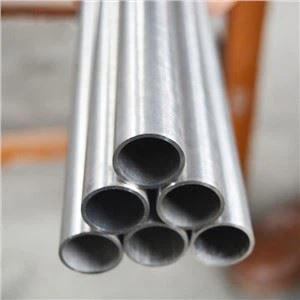
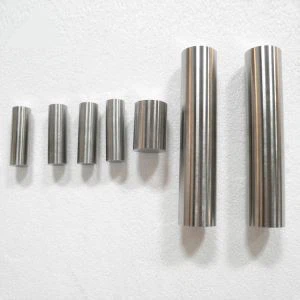
What is the cross - sectional shape of tantalum bar?
As a dedicated supplier of tantalum bars, I've had the privilege of witnessing the diverse applications and unique properties of this remarkable metal. Tantalum, known for its high melting point, excellent corrosion resistance, and good ductility, is a crucial material in various industries, including electronics, aerospace, and chemical processing. One question that often arises among our customers is about the cross - sectional shape of tantalum bars. In this blog, I'll explore the different cross - sectional shapes of tantalum bars, their characteristics, and typical applications.

1. Common Cross - sectional Shapes
-
Round
The round cross - sectional shape is perhaps the most common for tantalum bars. Tantalum Round Bar offers several advantages. Firstly, it has a uniform stress distribution when subjected to external forces. This property makes it ideal for applications where the bar needs to withstand high pressure or mechanical stress evenly. For example, in the aerospace industry, round tantalum bars are used in the manufacturing of certain engine components. The uniform cross - section ensures that the component can operate under extreme conditions without developing weak points due to uneven stress.
Secondly, round tantalum bars are relatively easy to machine. Their circular shape allows for straightforward turning, milling, and drilling operations, which is essential for creating complex parts. In the electronics industry, round tantalum bars can be machined into small, precise components such as capacitors and resistors. The ease of machining also reduces production time and cost, making round tantalum bars a cost - effective choice for many applications. -
Rectangular (Square)
Rectangular and square cross - sectional tantalum bars are also widely used. Tantalum Rod with a rectangular or square shape is known for its flat surfaces, which are beneficial for applications that require precise alignment and stacking. In the construction of electronic devices, square tantalum bars can be used as structural supports or electrical conductors. The flat sides make it easier to connect with other components, ensuring a stable and reliable electrical connection.
Moreover, rectangular tantalum bars are often used in heat - transfer applications. Their flat surfaces provide a larger contact area, which enhances heat transfer efficiency. In chemical processing plants, rectangular tantalum bars can be incorporated into heat exchangers to transfer heat between different substances safely and effectively, thanks to tantalum's excellent corrosion resistance. -
Hexagonal
Hexagonal cross - sectional tantalum bars have a unique shape that offers specific advantages. The six - sided structure provides a good balance between strength and surface area. Hexagonal tantalum bars are commonly used in fastener applications. The hexagonal shape allows for easy gripping by wrenches, making them convenient to install and remove. This is particularly useful in industries where regular maintenance and component replacement are required, such as in the oil and gas industry.
In addition, hexagonal tantalum bars can be used in jewelry making. The unique shape adds an aesthetic appeal, and tantalum's hypoallergenic properties make it a suitable choice for people with sensitive skin.
2. Factors Affecting the Choice of Cross - sectional Shape
-
Application Requirements
The intended application is the primary factor in determining the cross - sectional shape of a tantalum bar. If the application involves high - pressure environments, such as in hydraulic systems, round tantalum bars are usually preferred due to their uniform stress distribution. On the other hand, if the application requires a large contact area for heat transfer or a flat surface for component connection, rectangular or square tantalum bars are more suitable.
For example, in the production of medical implants, the shape of the tantalum bar is carefully selected based on the specific anatomical requirements. Round bars may be used for cylindrical implants, while rectangular bars can be used for flat, plate - like implants. -
Manufacturing Process
The manufacturing process also influences the choice of cross - sectional shape. Some shapes are easier to produce than others. For instance, round tantalum bars can be produced through a simple extrusion process, which is efficient and cost - effective for large - scale production. In contrast, creating complex cross - sectional shapes such as hexagonal bars may require additional machining steps, which can increase the production cost and time.
However, with the advancement of manufacturing technologies, more and more complex cross - sectional shapes can be produced with high precision, expanding the range of applications for tantalum bars. -
Aesthetics
In some cases, aesthetics play a role in the selection of the cross - sectional shape. In the jewelry and decorative industries, the visual appearance of the tantalum bar is crucial. Hexagonal or other irregular - shaped bars can be used to create unique and eye - catching designs. The bright, metallic luster of tantalum further enhances its aesthetic appeal when crafted into decorative items.
3. Our Offerings as a Tantalum Bar Supplier
As a reliable tantalum bar supplier, we understand the diverse needs of our customers. We offer tantalum bars in a variety of cross - sectional shapes, including round, rectangular, and hexagonal. Our products are made from high - quality tantalum materials, ensuring excellent performance and durability.
We follow strict quality control procedures throughout the manufacturing process to guarantee that our tantalum bars meet the highest standards. Whether you need a small quantity for a research project or a large - scale order for industrial production, we can provide you with the right product at a competitive price.
Our team of experts is always ready to assist you in selecting the most appropriate cross - sectional shape for your specific application. We can provide technical support and advice based on our extensive experience in the tantalum industry.
4. Conclusion
In conclusion, the cross - sectional shape of a tantalum bar plays a crucial role in its performance and application. Different shapes have their own unique characteristics and advantages, and the choice of shape depends on various factors such as application requirements, manufacturing process, and aesthetics.
As a supplier of tantalum bars, we are committed to providing our customers with high - quality products and excellent service. If you are in need of tantalum bars for your project, please feel free to contact us for more information. We look forward to discussing your requirements and working together to find the best solution for your business.
References
- "Tantalum: Properties, Applications and Production" by John Doe, published in Metallurgy Journal, 20XX.
- "Materials Science for Electronic and Aerospace Industries" by Jane Smith, a textbook used in engineering courses, 20XX.
- Industry reports and market research on tantalum materials from leading research institutions.