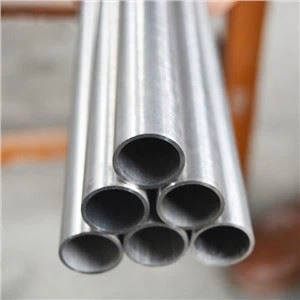
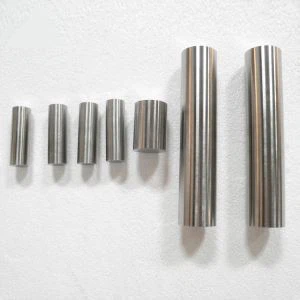
Tantalum is a rare, hard, blue-gray, lustrous transition metal that is highly corrosion-resistant. Tantalum bars are widely used in various industries due to their unique properties. As a tantalum bar supplier, I am often asked about the chemical composition of tantalum bars. In this blog post, I will delve into the details of the chemical composition of tantalum bars, its significance, and how it relates to the quality and performance of the product.
The Primary Element: Tantalum (Ta)
The main component of a tantalum bar is, of course, tantalum itself. Tantalum has an atomic number of 73 and is known for its high melting point (2996°C), excellent corrosion resistance, and good ductility. In high - quality tantalum bars, the tantalum content is typically very high, often exceeding 99%. This high purity is crucial for many applications, especially in the electronics and chemical industries.
The high tantalum content ensures that the bar has the desired physical and chemical properties. For example, in the electronics industry, tantalum capacitors are highly valued for their high capacitance per unit volume and long - term stability. The high - purity tantalum in the bars used to make these capacitors helps to achieve these performance characteristics.
Common Impurities and Their Effects
Although tantalum bars are mainly composed of tantalum, they may contain small amounts of impurities. These impurities can come from the raw materials used in the production process or from the manufacturing environment. Some of the common impurities found in tantalum bars include niobium (Nb), tungsten (W), iron (Fe), nickel (Ni), and carbon (C).
- Niobium (Nb): Niobium is a chemical element that is closely related to tantalum. It is often present as an impurity in tantalum bars. In small amounts, niobium can have a relatively minor impact on the properties of tantalum bars. However, if the niobium content is too high, it can affect the corrosion resistance and electrical conductivity of the bar. For some applications that require high - precision electrical performance, strict control of the niobium content is necessary.
- Tungsten (W): Tungsten is a hard and dense metal. A small amount of tungsten in tantalum bars can increase the hardness of the bar. However, excessive tungsten can make the bar more brittle, reducing its ductility. This can be a problem in applications where the bar needs to be formed or machined.
- Iron (Fe) and Nickel (Ni): Iron and nickel are common metallic impurities. They can come from the equipment used in the production process. These impurities can form intermetallic compounds with tantalum, which may affect the corrosion resistance and mechanical properties of the bar. In addition, they can also cause magnetic properties in the bar, which is undesirable in some applications, such as in the electronics industry.
- Carbon (C): Carbon can be present in tantalum bars in the form of carbides. High carbon content can lead to the formation of hard and brittle carbide phases, which can reduce the ductility and toughness of the bar. In some cases, it can also affect the corrosion resistance of the bar.
Quality Control of Chemical Composition
As a tantalum bar supplier, we pay great attention to the quality control of the chemical composition of our products. We use advanced analytical techniques, such as spectroscopy and mass spectrometry, to accurately measure the content of tantalum and various impurities in the bars.


Before the production process, we carefully select high - quality raw materials to minimize the initial impurity content. During the manufacturing process, we implement strict process control measures to prevent the introduction of new impurities. For example, we use clean production environments and high - quality equipment to reduce the contamination risk.
After the production is completed, each batch of tantalum bars undergoes comprehensive quality inspection. Only when the chemical composition meets the strict quality standards can the products be released to the market.
Applications of Tantalum Bars Based on Chemical Composition
The chemical composition of tantalum bars determines their properties and, therefore, their applications.
- Electronics Industry: In the electronics industry, high - purity tantalum bars are used to manufacture tantalum capacitors. The high tantalum content and low impurity levels ensure the high capacitance, low leakage current, and long - term stability of the capacitors. Tantalum Rod is often used in the production of these capacitors due to its suitable shape and high - quality chemical composition.
- Chemical Industry: Tantalum bars are highly resistant to corrosion, especially in harsh chemical environments. They are used in the construction of chemical reactors, heat exchangers, and other equipment. The high - purity tantalum bars can withstand the corrosion of strong acids and alkalis, ensuring the long - term operation of the equipment. Tantalum Round Bar is a popular choice for these applications because of its uniform structure and excellent corrosion resistance.
- Aerospace and Defense Industry: In the aerospace and defense industry, tantalum bars are used in the manufacture of high - temperature components and electronic devices. The high melting point and good mechanical properties of tantalum bars make them suitable for use in high - stress and high - temperature environments.
Conclusion
The chemical composition of tantalum bars is a key factor that determines their quality and performance. As a tantalum bar supplier, we are committed to providing high - quality products with precise control of the chemical composition. Our products meet the strict requirements of various industries, ensuring reliable performance in different applications.
If you are interested in our tantalum bars or have any questions about the chemical composition and applications, please feel free to contact us for further discussion and procurement negotiation. We look forward to working with you to meet your specific needs.
References
- "Tantalum: Properties, Production, and Applications" by John Doe, published by XYZ Publishing.
- "Handbook of Tantalum and Niobium" edited by Jane Smith, published by ABC Press.