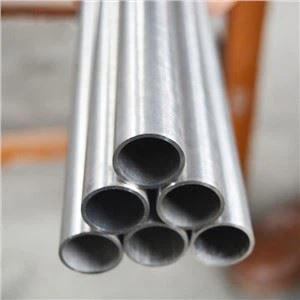
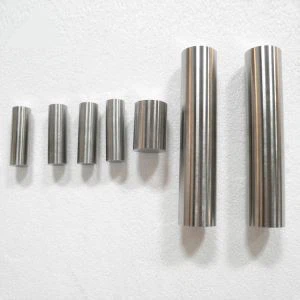
Hey there! As a supplier of Niobium Bars, I've got a ton of insights to share about the regulations surrounding their use in different industries. Niobium is a super interesting metal, and its applications are pretty diverse. So, let's dive right in!
Aerospace Industry
The aerospace industry is one of the big players when it comes to using niobium bars. Niobium's high melting point and excellent strength-to-weight ratio make it a top choice for components in aircraft and spacecraft. For instance, it's used in jet engine parts, where it can withstand extremely high temperatures.
But there are strict regulations in place. The Federal Aviation Administration (FAA) in the United States, and similar regulatory bodies around the world, have set standards for the quality and purity of niobium used in aerospace applications. These regulations ensure the safety and reliability of the aircraft. The niobium bars need to meet specific chemical composition requirements, with very tight limits on impurities. For example, the amount of certain trace elements like iron, titanium, and tantalum must be within a narrow range.
The manufacturing process also has to adhere to strict guidelines. Any niobium bar used in aerospace needs to be produced in a facility that follows good manufacturing practices (GMP). This includes proper documentation of the production process, quality control checks at every stage, and traceability of the raw materials.
Electronics Industry
In the electronics industry, niobium bars are used in capacitors and other electronic components. Niobium has good electrical conductivity and can store and release electrical energy efficiently. This makes it ideal for use in small, high-capacity capacitors.
However, regulations here focus on environmental and safety aspects. The Restriction of Hazardous Substances (RoHS) directive, which is followed in many countries, restricts the use of certain hazardous materials in electronic products. While niobium itself is not a hazardous substance, the manufacturing process might involve other chemicals that need to be carefully managed.
For example, the plating or coating processes used on niobium bars in electronics might use substances like lead or mercury in some cases. These need to be either eliminated or used within very strict limits. Also, the disposal of electronic waste containing niobium components is regulated to prevent environmental contamination. Recycling of these components is encouraged to recover valuable metals like niobium.
Medical Industry
The medical industry also makes use of niobium bars. Niobium is biocompatible, which means it can be used in medical implants and devices without causing adverse reactions in the human body. It's used in things like orthopedic implants and dental fixtures.
Regulations in the medical field are extremely strict. The Food and Drug Administration (FDA) in the US, and equivalent agencies in other countries, have a rigorous approval process for medical devices containing niobium. The niobium bars used in medical applications need to be of the highest purity. They must be free from any contaminants that could pose a risk to the patient.


The manufacturing process of medical niobium components also has to meet strict quality and sterility standards. Every batch of niobium bars used in medical devices needs to be thoroughly tested for mechanical properties, chemical composition, and biocompatibility. Traceability is also crucial, so that if there are any issues with a particular device, the source of the niobium can be easily identified.
Energy Industry
In the energy industry, niobium bars are used in nuclear reactors and renewable energy technologies. In nuclear reactors, niobium's high melting point and resistance to corrosion make it suitable for use in reactor components. However, the use of niobium in nuclear applications is highly regulated due to the potential risks associated with nuclear energy.
Regulatory bodies like the Nuclear Regulatory Commission (NRC) in the US have strict rules regarding the use of niobium in nuclear reactors. The niobium bars need to be carefully inspected and tested to ensure they can withstand the harsh conditions inside the reactor, including high radiation levels. There are also strict regulations on the handling, storage, and disposal of niobium used in nuclear applications to prevent any release of radioactive materials.
In renewable energy, niobium is used in some types of batteries and in the construction of wind turbines. For example, niobium can improve the performance and lifespan of lithium-ion batteries. Here, regulations focus on safety and environmental impact. The production and disposal of batteries containing niobium need to follow environmental guidelines to minimize pollution.
Our Offerings
As a supplier of niobium bars, we understand all these regulations very well. We make sure that all our Pure Niobium Bar meet the highest quality standards and comply with the relevant regulations in different industries.
Our niobium bars are sourced from reliable mines and processed in state-of-the-art facilities. We have a strict quality control system in place to ensure that every bar we supply is of the best quality. Whether you're in the aerospace, electronics, medical, or energy industry, we can provide you with niobium bars that meet your specific requirements.
If you're interested in purchasing niobium bars for your business, we'd love to have a chat with you. We can discuss your needs in detail and provide you with a customized solution. Don't hesitate to reach out to us for more information or to start a procurement discussion.
References
- Federal Aviation Administration (FAA) regulations on aerospace materials
- Restriction of Hazardous Substances (RoHS) directive
- Food and Drug Administration (FDA) guidelines for medical devices
- Nuclear Regulatory Commission (NRC) regulations for nuclear materials