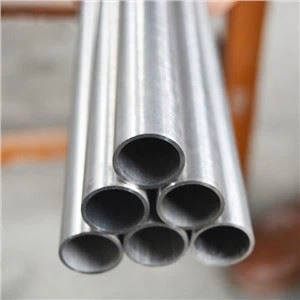
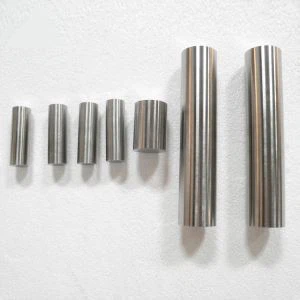
Titanium tubes are a remarkable product with a wide range of applications across various industries. As a leading supplier of titanium tubes, I have witnessed firsthand the diverse and crucial uses of these tubes. In this blog post, I will delve into the main uses of titanium tubes, highlighting their exceptional properties and why they are the preferred choice in many applications.
Aerospace Industry
The aerospace industry demands materials that are lightweight, strong, and corrosion - resistant. Titanium tubes meet all these requirements and more. They are used extensively in aircraft engines, where the high strength - to - weight ratio of titanium is a significant advantage. In jet engines, titanium tubes are employed for fuel lines, hydraulic systems, and air ducting. The ability of titanium to withstand high temperatures and pressures makes it ideal for these critical applications. For example, in the combustion chambers of jet engines, where temperatures can reach extremely high levels, titanium tubes maintain their structural integrity and resist corrosion from the hot, corrosive gases.
Titanium tubes are also used in the airframe of aircraft. They are used in the construction of landing gear components, wing structures, and fuselage frames. The light weight of titanium helps to reduce the overall weight of the aircraft, which in turn improves fuel efficiency and increases the payload capacity. Moreover, the corrosion resistance of titanium ensures the long - term durability of these components, even in harsh environmental conditions such as saltwater exposure during coastal flights.
Chemical Processing Industry
In the chemical processing industry, corrosion is a major concern. Many chemicals are highly corrosive and can quickly degrade traditional materials such as steel. Titanium tubes are the perfect solution due to their excellent corrosion resistance. They are used in a variety of chemical processing equipment, including heat exchangers, reactors, and piping systems.
Heat exchangers are a crucial part of chemical processing plants. They are used to transfer heat between different fluids. Titanium tubes in heat exchangers can handle a wide range of corrosive chemicals, such as hydrochloric acid, sulfuric acid, and nitric acid. For instance, in a chemical plant that produces fertilizers, titanium tubes in heat exchangers are used to transfer heat from hot process fluids to cold water without being corroded by the acidic by - products.


Reactors are another area where titanium tubes are widely used. In chemical reactions that involve corrosive reactants or products, titanium tubes can be used to construct the internal structures of the reactors. They can withstand the aggressive chemical environment and ensure the safety and efficiency of the reaction process. Piping systems in chemical plants also benefit from the use of titanium tubes. They can transport corrosive chemicals over long distances without the risk of leakage or degradation. You can find high - quality titanium tubes for such applications on our website, including ANSI B36.1 Titanium Tubes.
Marine Industry
The marine environment is extremely harsh, with saltwater corrosion being a constant threat to marine structures and equipment. Titanium tubes are highly resistant to saltwater corrosion, making them an ideal choice for the marine industry. They are used in various marine applications, such as shipbuilding, offshore oil and gas platforms, and desalination plants.
In shipbuilding, titanium tubes are used in the ship's cooling systems. The cooling systems are responsible for maintaining the proper operating temperature of the ship's engines and other equipment. Titanium tubes can resist the corrosion caused by saltwater, ensuring the long - term reliability of the cooling systems. They are also used in the construction of ship hulls and superstructures in some high - end vessels. The corrosion resistance of titanium helps to extend the lifespan of the ship and reduce maintenance costs.
Offshore oil and gas platforms are exposed to a combination of saltwater, high pressures, and extreme weather conditions. Titanium tubes are used in the platform's piping systems, wellhead equipment, and subsea pipelines. They can withstand the corrosive effects of saltwater and the high pressures associated with oil and gas production. In desalination plants, which convert seawater into freshwater, titanium tubes are used in the heat exchangers and piping systems. They can handle the high - salt content of seawater and the corrosive chemicals used in the desalination process. For example, 19mm Titanium Pipe For Heat Exchanger is a popular choice for marine heat exchangers.
Medical Industry
The medical industry requires materials that are biocompatible, strong, and corrosion - resistant. Titanium tubes meet all these criteria and are widely used in medical applications. They are used in the manufacturing of medical implants, such as orthopedic implants and dental implants.
Orthopedic implants, such as hip and knee replacements, are made from titanium tubes. The biocompatibility of titanium means that it does not cause an immune response in the human body. This allows the implant to integrate well with the surrounding bone tissue, reducing the risk of rejection. Titanium's high strength also ensures that the implant can withstand the mechanical stresses of daily use.
Dental implants are another area where titanium tubes are used. Titanium dental implants are used to replace missing teeth. They are inserted into the jawbone and provide a stable base for artificial teeth. The corrosion resistance of titanium ensures that the implant remains intact in the oral environment, which is constantly exposed to saliva, food, and bacteria. Additionally, titanium tubes are used in some medical devices, such as surgical instruments and catheters. The smooth surface of titanium tubes makes them easy to clean and sterilize, which is essential for maintaining the safety and hygiene of these medical devices.
Power Generation Industry
In the power generation industry, titanium tubes are used in both nuclear and conventional power plants. In nuclear power plants, titanium tubes are used in the steam generators. Steam generators are used to convert water into steam, which then drives the turbines to generate electricity. Titanium tubes in steam generators can withstand the high - temperature and high - pressure environment, as well as the corrosive effects of the coolant. They are also resistant to radiation, which is a crucial property in a nuclear power plant.
In conventional power plants, such as coal - fired and natural gas - fired power plants, titanium tubes are used in the condenser systems. Condensers are used to convert steam back into water after it has passed through the turbines. Titanium tubes in condensers can handle the corrosive effects of the cooling water, which may contain dissolved salts and other impurities. For example, in a coastal power plant, the cooling water is often seawater, and titanium tubes can resist the saltwater corrosion, ensuring the efficient operation of the condenser system.
Automotive Industry
Although not as widespread as in some other industries, titanium tubes are also finding applications in the automotive industry. They are used in high - performance exhaust systems. The high strength and light weight of titanium make it an ideal material for exhaust pipes. Titanium exhaust systems can reduce the weight of the vehicle, which improves acceleration and handling. Moreover, the corrosion resistance of titanium ensures that the exhaust system lasts longer, even in the harsh environment of the engine compartment.
In addition, some high - end automotive manufacturers are exploring the use of titanium tubes in engine components. For example, titanium tubes can be used in the construction of engine valves. The light weight of titanium valves allows for faster valve operation, which can improve engine performance and efficiency.
Conclusion
As a supplier of titanium tubes, I am well - aware of the numerous benefits and applications of these remarkable products. From aerospace to automotive industries, titanium tubes play a crucial role in various sectors due to their unique combination of properties, including high strength, light weight, corrosion resistance, and biocompatibility.
If you are in need of high - quality titanium tubes for your specific application, whether it is for a chemical processing plant, a marine project, or a medical device, we are here to help. We offer a wide range of titanium tubes, including ANSI B36.1 Titanium Tubes, 19mm Titanium Pipe For Heat Exchanger, and Titanium Grade 12 Pipe. Our team of experts can provide you with professional advice and support to ensure that you get the right titanium tubes for your needs.
If you are interested in purchasing titanium tubes or have any questions about our products, please feel free to contact us for a detailed discussion. We look forward to working with you to meet your titanium tube requirements.
References
- ASM Handbook Committee. (2000). ASM Handbook: Volume 2: Properties and Selection: Nonferrous Alloys and Special - Purpose Materials. ASM International.
- Schütze, M. (2000). Corrosion of High - Temperature Alloys. Wiley - VCH.
- Williams, D. F. (2008). On the mechanisms of biocompatibility. Biomaterials, 29(20), 2941 - 2953.