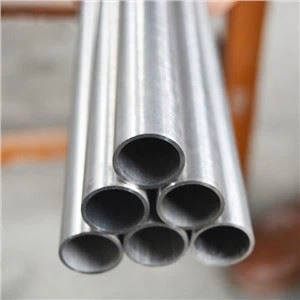
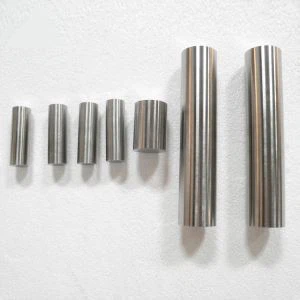
Rolling a titanium bar is a complex and fascinating process that requires a deep understanding of materials science, engineering, and metallurgy. As a titanium bar supplier, I've witnessed firsthand the intricacies involved in transforming raw titanium into high-quality bars that meet the diverse needs of various industries. In this blog post, I'll share insights into how to roll a titanium bar, from the initial material selection to the final finishing touches.
Material Selection
The first step in rolling a titanium bar is selecting the right type of titanium alloy. Titanium comes in various grades, each with its own unique properties and applications. For instance, Titanium Bar Grade 2 is known for its excellent corrosion resistance and good formability, making it suitable for a wide range of applications, including chemical processing, marine, and architectural industries. On the other hand, AMS 4928 Titanium Bar is a high-strength alloy often used in aerospace and defense applications due to its superior mechanical properties.
Another popular alloy is BT20 Titanium Bar, which offers a good balance of strength, ductility, and weldability. It is commonly used in the automotive, medical, and sports equipment industries. When selecting a titanium alloy, it's crucial to consider the specific requirements of the end application, such as strength, corrosion resistance, and temperature resistance.
Melting and Casting
Once the appropriate titanium alloy is selected, the next step is to melt and cast it into an ingot. Titanium has a high melting point (around 1,668°C or 3,034°F), so specialized melting techniques are required. The most common method is vacuum arc remelting (VAR), which involves melting the titanium in a vacuum environment using an electric arc. This process helps to remove impurities and ensure a homogeneous composition throughout the ingot.
After melting, the molten titanium is poured into a mold to form an ingot. The shape and size of the ingot depend on the desired dimensions of the final titanium bar. The ingot is then allowed to cool and solidify slowly to minimize internal stresses and prevent cracking.
Forging
Before rolling, the titanium ingot is typically forged to improve its mechanical properties and refine its grain structure. Forging involves applying compressive forces to the ingot using a hammer or a press. This process helps to break up any large grains and align them in a more uniform direction, resulting in increased strength and toughness.
There are several types of forging processes, including open-die forging and closed-die forging. Open-die forging is a more flexible method that allows for the production of a wide range of shapes and sizes. Closed-die forging, on the other hand, uses a pre-shaped die to produce more precise and complex shapes. The choice of forging process depends on the specific requirements of the titanium bar.
Rolling
Once the titanium ingot has been forged, it is ready for rolling. Rolling is a metalworking process that involves passing the titanium bar through a pair of rotating rolls to reduce its thickness and increase its length. There are two main types of rolling processes: hot rolling and cold rolling.
Hot Rolling
Hot rolling is the most common method used for rolling titanium bars. It is typically performed at temperatures above the recrystallization temperature of the titanium alloy, which is around 800 - 900°C (1,472 - 1,652°F). At these high temperatures, the titanium becomes more malleable and easier to deform.
During hot rolling, the titanium bar is passed through a series of rolling mills, each with a pair of rolls that gradually reduce the thickness of the bar. The number of passes and the reduction in thickness per pass depend on the desired final dimensions of the bar. Hot rolling also helps to improve the surface finish of the bar and eliminate any internal defects.
Cold Rolling
Cold rolling is performed at room temperature or slightly above. It is used to produce titanium bars with a higher degree of dimensional accuracy and a smoother surface finish. Cold rolling also increases the strength and hardness of the titanium bar through work hardening.
However, cold rolling is more difficult than hot rolling because the titanium is less malleable at lower temperatures. As a result, the reduction in thickness per pass is typically smaller, and multiple passes may be required to achieve the desired final dimensions. Cold rolling is often used for producing thin titanium bars or sheets for applications where a high-quality surface finish is required, such as in the electronics and jewelry industries.
Heat Treatment
After rolling, the titanium bar may undergo heat treatment to further improve its mechanical properties. Heat treatment involves heating the bar to a specific temperature and then cooling it at a controlled rate. There are several types of heat treatment processes, including annealing, quenching, and tempering.
Annealing is a heat treatment process that involves heating the titanium bar to a temperature below the recrystallization temperature and then cooling it slowly. This process helps to relieve internal stresses, improve ductility, and refine the grain structure. Quenching, on the other hand, involves heating the bar to a high temperature and then rapidly cooling it in a quenching medium, such as water or oil. This process increases the strength and hardness of the titanium bar but may also make it more brittle.
Tempering is a post-quenching heat treatment process that involves heating the quenched bar to a lower temperature and then cooling it slowly. This process helps to reduce the brittleness and improve the toughness of the titanium bar. The specific heat treatment process used depends on the type of titanium alloy and the desired mechanical properties of the final bar.
Finishing
Once the titanium bar has been heat-treated, it is ready for finishing. Finishing operations include machining, grinding, and polishing to achieve the desired surface finish and dimensional accuracy. Machining involves using cutting tools to remove excess material from the bar and create the desired shape and size. Grinding is a precision machining process that uses an abrasive wheel to remove small amounts of material and improve the surface finish.
Polishing is the final step in the finishing process, which involves using a polishing compound to create a smooth and shiny surface. The surface finish of the titanium bar is important, especially for applications where aesthetics or corrosion resistance are critical.
Quality Control
Throughout the entire process of rolling a titanium bar, quality control is of utmost importance. Various non-destructive testing (NDT) methods are used to detect any internal defects, such as cracks, porosity, or inclusions. These methods include ultrasonic testing, radiographic testing, and magnetic particle testing.
In addition to NDT, mechanical testing is also performed to ensure that the titanium bar meets the required mechanical properties, such as tensile strength, yield strength, and elongation. Chemical analysis is also conducted to verify the composition of the titanium alloy and ensure that it meets the specified standards.
Conclusion
Rolling a titanium bar is a complex and multi-step process that requires a combination of technical expertise, advanced equipment, and strict quality control measures. As a titanium bar supplier, we are committed to providing our customers with high-quality titanium bars that meet their specific requirements. Whether you need Titanium Bar Grade 2, AMS 4928 Titanium Bar, or BT20 Titanium Bar, we have the capabilities to produce bars of various sizes and shapes.


If you are interested in purchasing titanium bars for your project, please feel free to contact us for more information and to discuss your specific requirements. Our team of experts is ready to assist you in selecting the right titanium alloy and ensuring that you receive the highest quality products.
References
- ASM Handbook, Volume 2: Properties and Selection: Nonferrous Alloys and Special-Purpose Materials.
- Titanium: A Technical Guide, Second Edition by John C. Williams.
- Metals Handbook: Volume 14A: Metalworking: Bulk Forming.