

Hey there! As a titanium plate supplier, I often get asked about how to measure the thickness of titanium plates accurately. It's a crucial aspect, especially when you're dealing with industries like aerospace, automotive, or even medical, where precision matters big time. So, let's dive right into it and explore the different methods and factors involved in getting that accurate thickness measurement.
Why Accurate Thickness Measurement Matters
Before we jump into the methods, let's quickly talk about why it's so important to measure the thickness of titanium plates accurately. In industries such as aerospace, the thickness of titanium plates can directly impact the structural integrity and performance of aircraft components. A slight deviation in thickness can lead to issues like reduced strength or increased weight, which are definitely no-nos in the aerospace world.
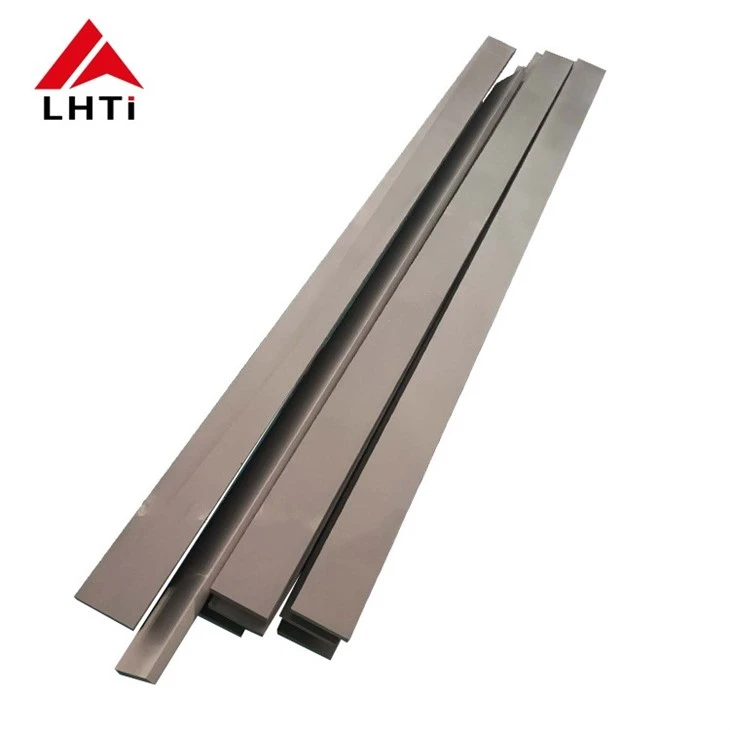

In the medical field, titanium plates are used for implants, and precise thickness is essential for proper fit and functionality. Even in the automotive industry, accurate thickness measurement ensures that the titanium parts meet the required specifications for durability and performance. So, you see, getting the thickness right is a pretty big deal.
Methods for Measuring Titanium Plate Thickness
1. Mechanical Caliper
One of the most common and straightforward methods for measuring the thickness of titanium plates is using a mechanical caliper. It's a simple tool that you can easily find in most toolboxes. To use a caliper, you just need to open the jaws of the caliper and place them on either side of the titanium plate. Then, you can read the measurement on the scale.
The advantage of using a mechanical caliper is that it's relatively inexpensive and easy to use. However, it does have some limitations. For example, it may not be very accurate for measuring very thin or very thick titanium plates. Also, human error can play a role, especially if the caliper is not placed correctly on the plate.
2. Digital Caliper
If you're looking for a more accurate and precise measurement, a digital caliper is a great option. It works in a similar way to a mechanical caliper, but instead of a scale, it displays the measurement on a digital screen. This makes it easier to read and reduces the chances of human error.
Digital calipers also often have additional features, such as the ability to switch between different units of measurement (e.g., inches or millimeters) and the option to zero the measurement at any point. They are a bit more expensive than mechanical calipers, but the increased accuracy is definitely worth it, especially for applications where precision is crucial.
3. Ultrasonic Thickness Gauge
For measuring the thickness of titanium plates that are too thick or too difficult to access with a caliper, an ultrasonic thickness gauge is a great choice. This device works by sending ultrasonic waves through the titanium plate and measuring the time it takes for the waves to bounce back. Based on the speed of sound in titanium and the time it takes for the waves to return, the gauge can calculate the thickness of the plate.
Ultrasonic thickness gauges are very accurate and can measure the thickness of titanium plates from a distance, without the need to physically touch the plate. They are also non-destructive, which means they won't damage the plate during the measurement process. However, they are more expensive than calipers and require some training to use properly.
4. Optical Measurement Systems
In some cases, especially when dealing with very thin titanium plates or when a high level of accuracy is required, optical measurement systems can be used. These systems use lasers or other optical techniques to measure the thickness of the plate.
Optical measurement systems are very precise and can provide measurements with a high degree of accuracy. They are also fast and can measure the thickness of multiple points on the plate simultaneously. However, they are the most expensive option and require specialized equipment and expertise to operate.
Factors Affecting Thickness Measurement
When measuring the thickness of titanium plates, there are several factors that can affect the accuracy of the measurement. Here are some of the most important ones:
1. Surface Roughness
The surface roughness of the titanium plate can have a significant impact on the accuracy of the measurement. If the surface is rough, it can cause the caliper or other measuring device to not make proper contact with the plate, leading to inaccurate readings. To minimize this effect, it's important to ensure that the surface of the plate is clean and smooth before taking the measurement.
2. Temperature
Temperature can also affect the thickness of titanium plates. Titanium expands and contracts with changes in temperature, so if the measurement is taken at a different temperature than the one at which the plate was manufactured or specified, the reading may be inaccurate. To account for this, it's important to measure the temperature of the plate and use the appropriate correction factor if necessary.
3. Material Inhomogeneity
Titanium plates may not be completely homogeneous in terms of their composition and structure. This can lead to variations in thickness across the plate. To get an accurate measurement, it's important to take multiple measurements at different points on the plate and calculate the average thickness.
Tips for Accurate Thickness Measurement
Here are some tips to help you get the most accurate thickness measurement possible:
- Use the Right Tool: Choose the measuring tool that is most appropriate for the thickness and type of titanium plate you are measuring. For example, use a caliper for thin plates and an ultrasonic thickness gauge for thick plates.
- Calibrate Your Tools: Regularly calibrate your measuring tools to ensure that they are accurate. This is especially important for digital calipers and ultrasonic thickness gauges.
- Take Multiple Measurements: As mentioned earlier, take multiple measurements at different points on the plate and calculate the average thickness. This will help to account for any variations in thickness across the plate.
- Follow the Manufacturer's Instructions: When using a measuring tool, make sure to follow the manufacturer's instructions carefully. This will help to ensure that you are using the tool correctly and getting the most accurate measurement possible.
Conclusion
Measuring the thickness of titanium plates accurately is an important part of ensuring that they meet the required specifications for various applications. By using the right measuring tool, taking into account the factors that can affect the measurement, and following the tips outlined in this blog post, you can get the most accurate thickness measurement possible.
If you're in the market for high-quality titanium plates, we've got you covered. We offer a wide range of Titanium Sheet Metal, including Aerospace Titanium Alloy Gr1 Sheet Titanium Sheet and Pickled Hot Rolled Titanium Sheet Gr2 Gr5 Titanium Plate ASTM B265. Our products are manufactured to the highest standards and undergo rigorous quality control to ensure that they meet your exact requirements.
If you have any questions or would like to discuss your titanium plate needs, please don't hesitate to get in touch. We're here to help you find the perfect solution for your project.
References
- ASM Handbook Volume 2: Properties and Selection: Nonferrous Alloys and Special-Purpose Materials
- ASTM International Standards for Titanium and Titanium Alloys
- Machinery's Handbook, 31st Edition



