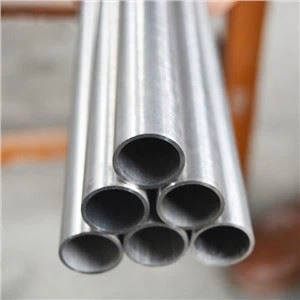
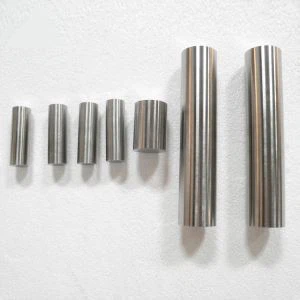
Hey there! As a supplier of titanium flanges, I often get asked about how long these bad boys can last. Well, let's dive right into it and explore the service life of titanium flanges.
First off, what makes titanium flanges so special? Titanium is a super - cool metal. It's lightweight, yet incredibly strong. It also has excellent corrosion resistance, which is a big deal when it comes to how long a flange can serve you.
Factors Affecting the Service Life of Titanium Flanges
1. Environmental Conditions
The environment where the titanium flange is used plays a huge role. If it's in a marine environment, for example, it's constantly exposed to saltwater. Saltwater is pretty corrosive, but titanium is up to the challenge. Titanium forms a thin, protective oxide layer on its surface. This layer acts as a shield, preventing the metal underneath from corroding. So, in a marine setting, a well - made titanium flange can last for decades.
On the other hand, if the flange is used in an industrial environment with harsh chemicals, the story might be a bit different. Some chemicals can break down that protective oxide layer over time. But still, compared to other metals, titanium holds up way better. For instance, steel flanges would rust and degrade much faster in a chemical - rich environment.
2. Installation Quality
How the flange is installed matters a whole lot. If it's not installed correctly, it can lead to stress concentrations. These stress points can cause cracks to form over time, which will significantly reduce the service life of the flange. A proper installation ensures that the flange is evenly tightened and aligned. This distributes the stress evenly across the flange, preventing premature failure.
3. Operating Conditions
The pressure and temperature at which the flange operates also impact its lifespan. High - pressure applications put more stress on the flange. If the pressure is constantly fluctuating, it can cause fatigue in the metal. Similarly, extreme temperatures can affect the mechanical properties of titanium. At very high temperatures, titanium can become more brittle, while at low temperatures, it might lose some of its ductility.
Average Service Life Estimates
In general, under normal operating conditions with proper installation and maintenance, titanium flanges can last anywhere from 20 to 50 years. That's a pretty long time, right? But remember, this is just an estimate. The actual service life can vary depending on the factors we just talked about.
For example, in a low - stress, clean environment like a simple water - handling system, a titanium flange could easily last 50 years or more. But in a high - stress, chemically aggressive environment, it might be on the lower end of that range, around 20 years.
Types of Titanium Flanges and Their Service Life
1. Gr9 Titanium Blind Flange Industry RF Flanges
The Gr9 Titanium Blind Flange Industry RF Flanges are known for their good combination of strength and corrosion resistance. Grade 9 titanium has a bit of an alloying element (vanadium), which gives it some extra toughness. In most applications, these flanges can have a long service life. They're often used in industries where corrosion is a concern, like the chemical and petrochemical industries. With proper care, they can last 30 - 40 years in these environments.
2. Titanium Threaded Flange
The Titanium Threaded Flange is another popular type. The threaded design makes it easy to install and remove. However, the threads can be a weak point if not properly maintained. If the threads get damaged or corroded, it can affect the overall performance of the flange. In a normal industrial setting, a well - maintained titanium threaded flange can last around 25 - 35 years.
3. Gr5 Titanium Flange
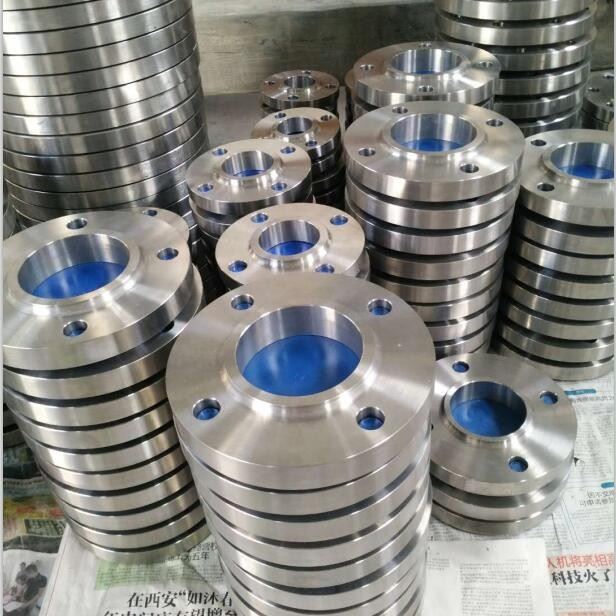
Gr5 Titanium Flange is one of the most widely used titanium alloys. It's strong, tough, and has good corrosion resistance. In high - stress applications like aerospace or high - pressure pipelines, these flanges can last 20 - 30 years. Their high - strength properties make them suitable for demanding environments, but the constant stress can still take a toll over time.
Maintenance Tips to Extend Service Life
1. Regular Inspections
Regularly inspect the flanges for any signs of damage, corrosion, or cracks. This can help you catch problems early and take corrective action before they get worse.

2. Cleaning
Keep the flanges clean. Remove any dirt, debris, or chemical residues that might accumulate on the surface. This helps maintain the integrity of the protective oxide layer.
3. Tightening Checks
Periodically check the tightness of the bolts. Loose bolts can cause leaks and uneven stress distribution, which can shorten the service life of the flange.
Conclusion
So, as you can see, the service life of titanium flanges can vary quite a bit depending on a bunch of factors. But overall, they offer a long - lasting solution for many different applications. If you're in the market for high - quality titanium flanges, we've got you covered. Whether you need Gr9 Titanium Blind Flange Industry RF Flanges, Titanium Threaded Flange, or Gr5 Titanium Flange, we have a wide range of options to meet your needs.
If you're interested in purchasing titanium flanges or want to learn more about them, don't hesitate to reach out. We're here to answer all your questions and help you make the best choice for your project.
References
- "Titanium: A Technical Guide" by John C. Williams
- "Corrosion Resistance of Titanium Alloys" - Journal of Materials Science and Engineering