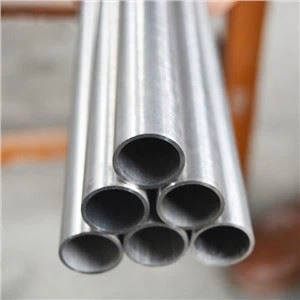
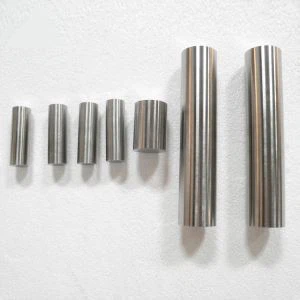
As a seasoned molybdenum bar supplier, I'm thrilled to take you on a detailed journey through the manufacturing process of molybdenum bars. Molybdenum, a refractory metal known for its high melting point, excellent thermal conductivity, and remarkable strength at elevated temperatures, finds extensive applications in various industries, including aerospace, electronics, and metallurgy. In this blog post, I'll share the step-by-step process of how we transform raw molybdenum materials into high-quality molybdenum bars that meet the diverse needs of our customers.
Step 1: Raw Material Selection
The first and most crucial step in manufacturing molybdenum bars is selecting the right raw materials. We source our molybdenum from trusted mines around the world, ensuring that it meets the highest standards of purity and quality. Typically, the raw molybdenum is in the form of molybdenum oxide (MoO3) or molybdenum concentrate, which contains molybdenum disulfide (MoS2).
Step 2: Reduction of Molybdenum Oxide
Once we have the raw molybdenum oxide, the next step is to reduce it to metallic molybdenum. This is achieved through a process called hydrogen reduction. In a controlled environment, the molybdenum oxide is heated in the presence of hydrogen gas at high temperatures, typically between 900°C and 1100°C. The hydrogen reacts with the oxygen in the molybdenum oxide, producing water vapor and leaving behind pure metallic molybdenum powder.
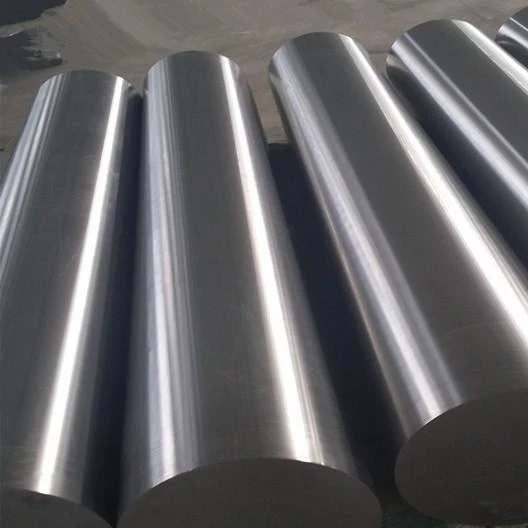
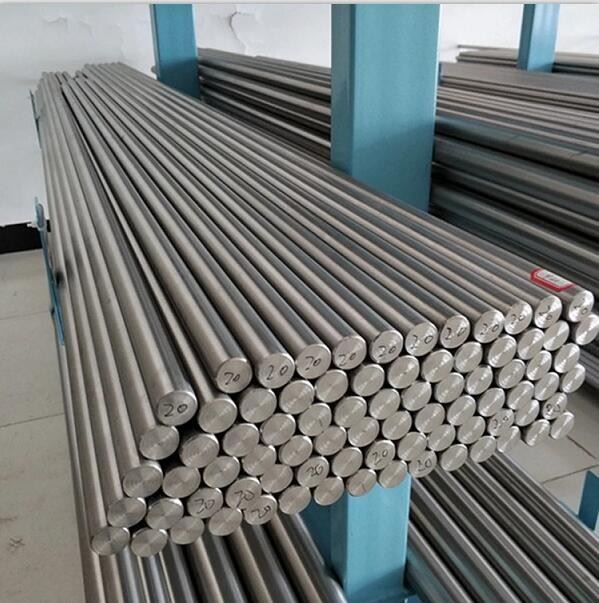
Step 3: Powder Compaction
The resulting molybdenum powder is then carefully compacted into a desired shape, usually a cylindrical billet. This is done using a process called cold isostatic pressing (CIP). In CIP, the molybdenum powder is placed in a flexible mold and subjected to high pressure from all directions using a fluid medium, such as water or oil. The pressure compresses the powder particles together, creating a dense and uniform billet with a high green density.
Step 4: Sintering
After compaction, the billet is sintered to further increase its density and strength. Sintering is a heat treatment process in which the billet is heated to a temperature just below its melting point in a controlled atmosphere, typically in a vacuum or an inert gas such as argon. During sintering, the molybdenum particles bond together, eliminating any remaining pores and creating a solid, dense structure. The sintering temperature and time depend on the specific requirements of the molybdenum bar, but typically range from 1800°C to 2200°C for several hours.
Step 5: Hot Working
Once the billet has been sintered, it is ready for hot working. Hot working involves shaping the billet into the final dimensions of the molybdenum bar through processes such as forging, rolling, or extrusion. These processes are carried out at elevated temperatures, typically between 1000°C and 1400°C, to make the molybdenum more malleable and easier to shape.
- Forging: In forging, the billet is heated and then hammered or pressed into the desired shape using a forging press. This process helps to improve the mechanical properties of the molybdenum bar, such as its strength and toughness.
- Rolling: Rolling involves passing the billet through a series of rollers to reduce its thickness and increase its length. This process can be used to produce molybdenum bars with a variety of cross-sectional shapes, including round, square, and rectangular.
- Extrusion: Extrusion is a process in which the billet is forced through a die to create a continuous shape with a constant cross-section. This process is commonly used to produce molybdenum bars with complex shapes or precise dimensions.
Step 6: Machining and Finishing
After hot working, the molybdenum bar may require further machining and finishing to achieve the desired surface finish and dimensional accuracy. Machining processes such as turning, milling, and grinding are used to remove any excess material and create the final shape of the bar. Finishing processes such as polishing or coating may also be applied to improve the appearance and corrosion resistance of the bar.
Step 7: Quality Control
Throughout the manufacturing process, strict quality control measures are implemented to ensure that the molybdenum bars meet the highest standards of quality and performance. We use a variety of testing methods, including chemical analysis, mechanical testing, and non-destructive testing, to verify the composition, properties, and integrity of the bars. Only bars that pass our rigorous quality control tests are approved for sale to our customers.
Applications of Molybdenum Bars
Molybdenum bars have a wide range of applications in various industries, thanks to their unique properties. Some of the common applications of molybdenum bars include:
- Aerospace: Molybdenum bars are used in aerospace applications, such as turbine engines, rocket nozzles, and structural components, due to their high strength, high temperature resistance, and low coefficient of thermal expansion.
- Electronics: Molybdenum bars are used in the electronics industry for applications such as semiconductor manufacturing, electrical contacts, and heating elements, due to their excellent electrical conductivity and thermal stability.
- Metallurgy: Molybdenum bars are used in the metallurgy industry as alloying elements to improve the strength, hardness, and corrosion resistance of steels and other metals.
- Chemical Processing: Molybdenum bars are used in the chemical processing industry for applications such as catalysts, heat exchangers, and reaction vessels, due to their resistance to corrosion and high temperature.
Conclusion
In conclusion, the manufacturing process of molybdenum bars is a complex and highly specialized process that requires careful attention to detail and strict quality control. From raw material selection to final finishing, each step plays a crucial role in ensuring the quality and performance of the molybdenum bars. As a leading molybdenum bar supplier, we are committed to providing our customers with the highest quality molybdenum bars that meet their specific requirements. If you're interested in learning more about our molybdenum bars or would like to discuss your specific needs, please don't hesitate to contact us. We look forward to working with you to provide the best solutions for your applications.
If you're interested in exploring our product range further, you can check out our Molybdenum Rod and Molybdenum Round Bar pages.
References
- "Molybdenum: Properties, Processing, and Applications" by John F. Elliott
- "Handbook of Refractory Metals" by R. W. Cahn and P. Haasen
- "High-Temperature Materials and Coatings" by R. A. Rapp and R. A. Perkins