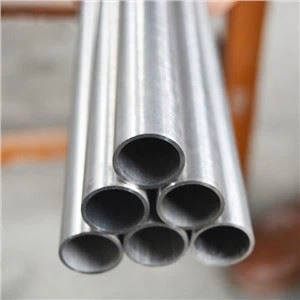
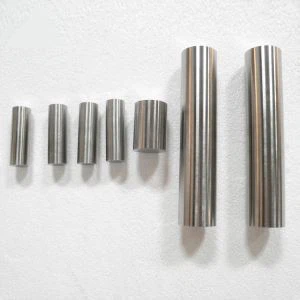
Can titanium plate be used in the chemical industry? Well, you bet it can! As a titanium plate supplier, I've seen firsthand how this amazing material has revolutionized the chemical sector. In this blog, I'll share my insights on why titanium plates are a great fit for the chemical industry, the types of titanium plates commonly used, and how you can get in touch for procurement.
Let's start by talking about why titanium is so well - suited for the chemical industry. One of the key properties of titanium is its outstanding corrosion resistance. Chemical plants deal with all sorts of aggressive substances like acids, alkalis, and salts on a daily basis. Regular metals would corrode quickly in such harsh environments, leading to equipment failure, leaks, and costly repairs. But titanium forms a thin, stable oxide layer on its surface when exposed to oxygen. This oxide layer acts as a protective barrier, preventing the metal from reacting with the corrosive chemicals.
For example, in the production of fertilizers, where strong acids are used, titanium plates can withstand the acidic conditions without significant degradation. This means longer - lasting equipment, less downtime for maintenance, and ultimately, more cost - effective operations.
Another advantage of titanium is its high strength - to - weight ratio. In chemical plants, there are often requirements for large - scale equipment such as storage tanks and reaction vessels. Using heavy - duty steel for these applications would add a lot of weight, which could pose challenges in terms of installation and structural support. Titanium plates, on the other hand, offer comparable strength to steel but at a much lower weight. This makes it easier to design and install equipment, and also reduces the overall load on the plant's infrastructure.
Now, let's look at some of the specific types of titanium plates that are commonly used in the chemical industry. One popular option is the Titanium Sheet Astm B265. This type of titanium sheet conforms to the ASTM B265 standard, which ensures its quality and performance. It's available in different grades, each with its own set of properties. Grade 2 titanium, for instance, is known for its excellent corrosion resistance and good formability, making it suitable for a wide range of chemical applications, from heat exchangers to piping systems.
The Aerospace Titanium Alloy Gr5 Sheet Titanium Sheet is also used in the chemical industry, although it's more commonly associated with aerospace applications. Grade 5 titanium, also known as Ti - 6Al - 4V, is a titanium alloy that offers high strength, good corrosion resistance, and excellent weldability. In the chemical industry, it can be used in applications where high strength is required, such as in the construction of high - pressure reaction vessels.
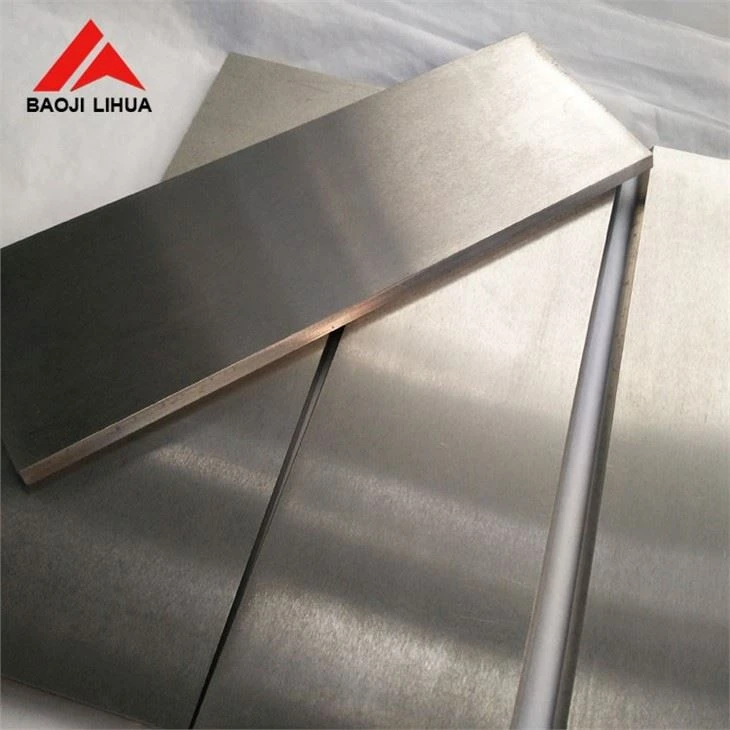

The GR7 Titanium Plate is another great choice for the chemical industry. Grade 7 titanium contains a small amount of palladium, which enhances its corrosion resistance in reducing environments. This makes it ideal for applications where the chemical process involves reducing agents or where the pH levels are relatively low. For example, in the production of certain pharmaceuticals, where specific chemical reactions take place under reducing conditions, GR7 titanium plates can provide reliable performance.
When it comes to using titanium plates in the chemical industry, there are also some considerations. One is the cost. Titanium is generally more expensive than traditional metals like steel. However, when you factor in the long - term benefits such as reduced maintenance costs and longer equipment lifespan, the overall cost - effectiveness becomes more apparent.
Another consideration is the processing of titanium. Titanium requires specialized machining and welding techniques. Not all fabricators are experienced in working with titanium, so it's important to choose a reliable supplier who can provide not only high - quality titanium plates but also support in terms of processing and installation. As a titanium plate supplier, I have a team of experts who are well - versed in titanium processing. We can offer guidance on the best fabrication methods for your specific application, ensuring that the final product meets your requirements.
In addition to the chemical resistance and strength properties, titanium also has good thermal stability. In chemical processes where there are significant temperature variations, titanium plates can maintain their structural integrity. This is crucial for applications such as heat exchangers, where the material needs to transfer heat efficiently while withstanding different temperature gradients.
If you're in the chemical industry and are considering using titanium plates for your projects, I encourage you to get in touch. Whether you're looking for a small quantity for a pilot project or a large - scale supply for a new plant construction, I can help. I have a wide range of titanium plates in different grades, sizes, and thicknesses. I can also work with you to customize the plates according to your specific needs.
By choosing titanium plates for your chemical applications, you're investing in a material that offers long - term reliability and performance. It's a decision that can lead to more efficient operations, reduced costs, and a safer working environment.
So, if you're interested in learning more about our titanium plates or want to discuss a potential procurement, don't hesitate to reach out. I'm here to answer your questions and provide you with the information you need to make an informed decision.
In conclusion, titanium plates are definitely a viable option for the chemical industry. Their unique combination of corrosion resistance, strength, and thermal stability makes them well - suited for a variety of chemical applications. Whether it's for storage tanks, reaction vessels, or heat exchangers, titanium plates can offer significant advantages over traditional materials.
If you're ready to take the next step and explore the use of titanium plates in your chemical projects, let's start the conversation. I'm confident that I can provide you with the high - quality titanium plates and support you need to make your projects a success.
References
- ASM Handbook Volume 2: Properties and Selection: Nonferrous Alloys and Special - Purpose Materials. ASM International.
- Titanium: A Technical Guide. John R. Davis. ASM International.