

Can tantalum bar be used in chemical processing?
As a supplier of tantalum bars, I often get asked whether tantalum bars can be used in chemical processing. The answer is a resounding yes, and in this blog post, I'll delve into the reasons why tantalum bars are an excellent choice for various chemical processing applications.
Properties of Tantalum that Make it Suitable for Chemical Processing
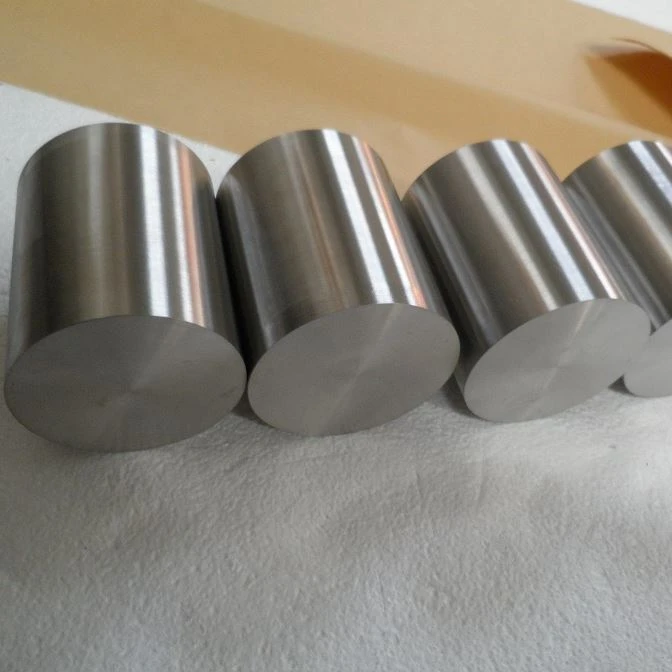
Tantalum is a rare, hard, blue-gray, lustrous transition metal that is highly corrosion-resistant. This corrosion resistance is one of the most significant properties that make tantalum bars ideal for chemical processing. Tantalum forms a thin, stable oxide layer on its surface when exposed to air or oxygen. This oxide layer acts as a protective barrier, preventing the metal from reacting with most chemicals, including strong acids such as sulfuric acid, hydrochloric acid, and nitric acid, even at high temperatures and concentrations.
Another important property of tantalum is its high melting point, which is around 3017°C (5463°F). This high melting point allows tantalum bars to withstand the extreme heat generated in many chemical processing operations without deforming or losing their structural integrity. Additionally, tantalum has good thermal conductivity, which helps in efficient heat transfer during chemical reactions.
Applications of Tantalum Bars in Chemical Processing
Acid Production
In the production of strong acids like sulfuric acid and hydrochloric acid, tantalum bars are used in equipment such as heat exchangers, condensers, and reaction vessels. The corrosion resistance of tantalum ensures that these components can operate for long periods without being damaged by the corrosive acids. For example, in a sulfuric acid plant, tantalum heat exchangers can transfer heat between the hot sulfur trioxide gas and the cooling water without being corroded by the sulfuric acid mist present in the gas.

Chemical Reactors
Tantalum bars are also used in the construction of chemical reactors, especially those involved in reactions with highly corrosive substances. The high melting point and corrosion resistance of tantalum make it suitable for withstanding the harsh conditions inside these reactors, such as high temperatures, high pressures, and aggressive chemicals. For instance, in the production of certain pharmaceuticals, tantalum reactors can be used to carry out reactions that involve strong acids or bases.
Electrochemical Processes
In electrochemical processes such as electroplating and electrolysis, tantalum bars are used as anodes. Tantalum's corrosion resistance and good electrical conductivity make it an ideal material for this application. In an electroplating bath, the tantalum anode can release metal ions into the solution without being corroded by the plating solution, ensuring a consistent and high-quality plating process.
Advantages of Using Tantalum Bars in Chemical Processing
Longevity
Due to its excellent corrosion resistance, tantalum bars have a long service life in chemical processing applications. This reduces the need for frequent replacement of equipment, which in turn lowers maintenance costs and downtime. For example, a tantalum heat exchanger in a chemical plant can last for decades, compared to other materials that may need to be replaced every few years.
High Performance
Tantalum bars can maintain their performance even under extreme conditions. Their high melting point and good thermal conductivity allow for efficient heat transfer and processing at high temperatures. This results in better reaction rates and product quality in chemical processing operations.
Compatibility
Tantalum is compatible with a wide range of chemicals, making it a versatile material for various chemical processing applications. It can be used in both acidic and alkaline environments, as well as in the presence of organic solvents and other reactive substances.
Considerations When Using Tantalum Bars in Chemical Processing
While tantalum bars offer many advantages in chemical processing, there are also some considerations to keep in mind. One of the main considerations is the cost. Tantalum is a relatively expensive metal, which can increase the initial investment in equipment. However, the long service life and high performance of tantalum bars can offset the higher cost over time.
Another consideration is the availability of tantalum. Tantalum is a rare metal, and its supply can be affected by factors such as mining production and geopolitical issues. As a supplier, we work closely with our customers to ensure a stable supply of tantalum bars and to provide them with alternative solutions if necessary.
Conclusion
In conclusion, tantalum bars are an excellent choice for chemical processing applications due to their high corrosion resistance, high melting point, and good thermal conductivity. They can be used in a variety of equipment, including heat exchangers, reactors, and anodes, and offer many advantages such as longevity, high performance, and compatibility with a wide range of chemicals. While there are some considerations such as cost and availability, the benefits of using tantalum bars in chemical processing far outweigh the drawbacks.
If you're interested in using tantalum bars in your chemical processing operations, I encourage you to contact us for more information. We are a leading supplier of tantalum bars and can provide you with high-quality products and professional advice. You can also visit our website to learn more about our Tantalum Rod and Tantalum Round Bar products. We look forward to working with you to meet your chemical processing needs.
References
- "Tantalum: Properties, Applications, and Market Trends" - Journal of Metals
- "Corrosion Resistance of Tantalum in Chemical Environments" - Corrosion Science
- "Chemical Processing Equipment Design and Operation" - Chemical Engineering Handbook



