Can a Titanium Disc be used in the optical industry?
In the vast expanse of industrial applications, the unique properties of materials often determine their viability across different sectors. One such material that has been sparking interest in recent times is the titanium disc. As a prominent supplier of titanium discs, I am frequently asked about the potential use of our products in the optical industry. In this blog, I aim to delve into this topic, exploring the scientific aspects and practical considerations of using titanium discs in optical applications.
Properties of Titanium Discs
Titanium is a remarkable metal known for its exceptional properties. First and foremost, it is incredibly strong yet lightweight. This high strength - to - weight ratio makes it an ideal candidate for applications where weight reduction is crucial without sacrificing durability. When formed into discs, this characteristic becomes even more valuable as it can be used in components that need to maintain their structural integrity while being part of a larger, often weight - sensitive optical system.
Another significant property of titanium is its excellent corrosion resistance. In optical devices, which can sometimes be exposed to various environmental conditions including moisture and chemicals during manufacturing, use, or storage, the ability of titanium discs to resist corrosion ensures the long - term stability and reliability of the components.
Titanium also exhibits good biocompatibility. This property might not seem directly relevant to the optical industry at first glance, but in applications such as medical optical devices, where there could be potential contact with biological tissues, the biocompatibility of titanium discs can be a crucial factor.
Potential Applications in the Optical Industry
Optical Instrument Frames
One of the most obvious applications of titanium discs in the optical industry is in the construction of frames for optical instruments. Microscopes, telescopes, and binoculars all require sturdy yet lightweight frames to support their optical components. Titanium discs can be machined into precise shapes to form the structural parts of these frames. The strength of titanium ensures that the frame can withstand mechanical stresses, such as vibrations and impacts, without deforming. At the same time, its low weight reduces the overall weight of the instrument, making it more portable and easier to handle. For example, in high - end astronomical telescopes, where portability is often a concern for amateur astronomers who need to transport their equipment to different viewing locations, titanium frames made from discs can offer a perfect solution.
Lens Mounts
Lens mounts are critical components in optical systems as they hold the lenses in place and ensure proper alignment. Titanium discs can be used to manufacture lens mounts due to their excellent dimensional stability. The high - precision machining capabilities of titanium allow for the creation of mounts with very tight tolerances, which is essential for maintaining accurate lens alignment. This, in turn, improves the overall optical performance of the system. Additionally, the corrosion resistance of titanium ensures that the lens mounts do not degrade over time, thereby preserving the quality of the optical system. For instance, in camera lenses, where even the slightest misalignment can result in blurry images, titanium lens mounts can provide long - term stability.
Mirrors and Reflective Surfaces
Titanium discs can also be used to create mirrors and reflective surfaces in optical devices. Although titanium is not as reflective as some other metals like aluminum, advancements in surface treatment technologies have made it possible to enhance its reflectivity. Titanium can be coated with thin films of highly reflective materials to achieve the desired level of reflectance. Moreover, the high strength and low thermal expansion coefficient of titanium make it an attractive option for mirrors used in high - energy laser systems. In these applications, the mirrors need to withstand high - intensity laser beams without deforming due to thermal stress. The thermal stability of titanium discs ensures that the mirrors maintain their shape and reflective properties even under extreme conditions.
Challenges and Solutions
Cost
One of the main challenges of using titanium discs in the optical industry is the cost. Titanium is generally more expensive than other common metals used in the industry, such as aluminum and steel. This cost factor can limit its widespread use, especially in consumer - grade optical products. However, as a supplier, we are constantly working on optimizing our production processes to reduce costs. By sourcing raw materials more efficiently, improving manufacturing techniques, and increasing production volumes, we are able to offer competitive prices for our titanium discs. For customers, the long - term benefits of using titanium, such as durability and reduced maintenance costs, can offset the initial higher investment.

Machining Difficulty
Titanium is a difficult material to machine compared to other metals. Its high strength and low thermal conductivity can cause excessive tool wear and heat buildup during machining, which can affect the dimensional accuracy of the final product. To address this issue, we have invested in advanced machining equipment and technologies. Our team of experienced engineers uses cutting - edge techniques such as high - speed machining and cryogenic machining. High - speed machining reduces the contact time between the tool and the titanium disc, minimizing heat generation. Cryogenic machining, on the other hand, uses liquid nitrogen to cool the cutting area, which not only reduces tool wear but also improves the surface finish of the machined parts.
Our Product Range
We offer a wide range of titanium discs to meet the diverse needs of the optical industry. Our Forging Titanium Round Disc ASTM B381 Titanium Alloy Discs are forged to ensure high strength and excellent mechanical properties. They are suitable for applications where structural integrity is of utmost importance, such as in optical instrument frames.
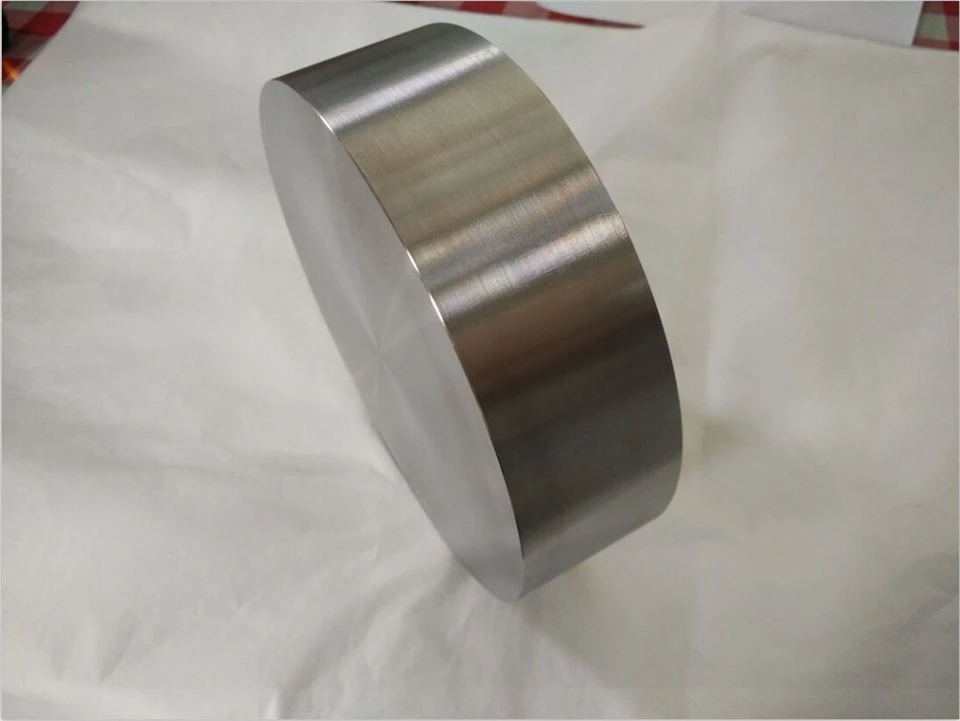
Our Polished Silver Titanium Disc Round Shape 150mm - 1300mm 35mm - 550mm Plywood Case offers a high - quality surface finish, which is ideal for creating reflective surfaces in optical devices. The polished surface enhances the reflectivity of the disc, and the plywood case provides proper protection during transportation and storage.
All our products are listed on our Titanium Discs For Sale page, where customers can find detailed information about the specifications, prices, and availability of our titanium discs.
Conclusion
In conclusion, titanium discs have significant potential in the optical industry. Their unique combination of strength, lightweight, corrosion resistance, and other properties makes them suitable for a variety of applications, from optical instrument frames to mirrors and reflective surfaces. Although there are challenges such as cost and machining difficulty, our company is committed to providing high - quality titanium discs at competitive prices through continuous innovation and process optimization.
If you are interested in exploring the use of titanium discs in your optical products, we invite you to contact us for further discussion and procurement. Our team of experts is ready to assist you in finding the best solutions for your specific requirements.
References
- "Titanium: Properties, Processing, and Applications" by John C. Williams
- "Optical Engineering Handbook" by Myung K. Kim